
History & Gallery
The Story of the Manhattan Transfer
History & Gallery
The Story of
the Manhattan Transfer
A Legacy of Song.
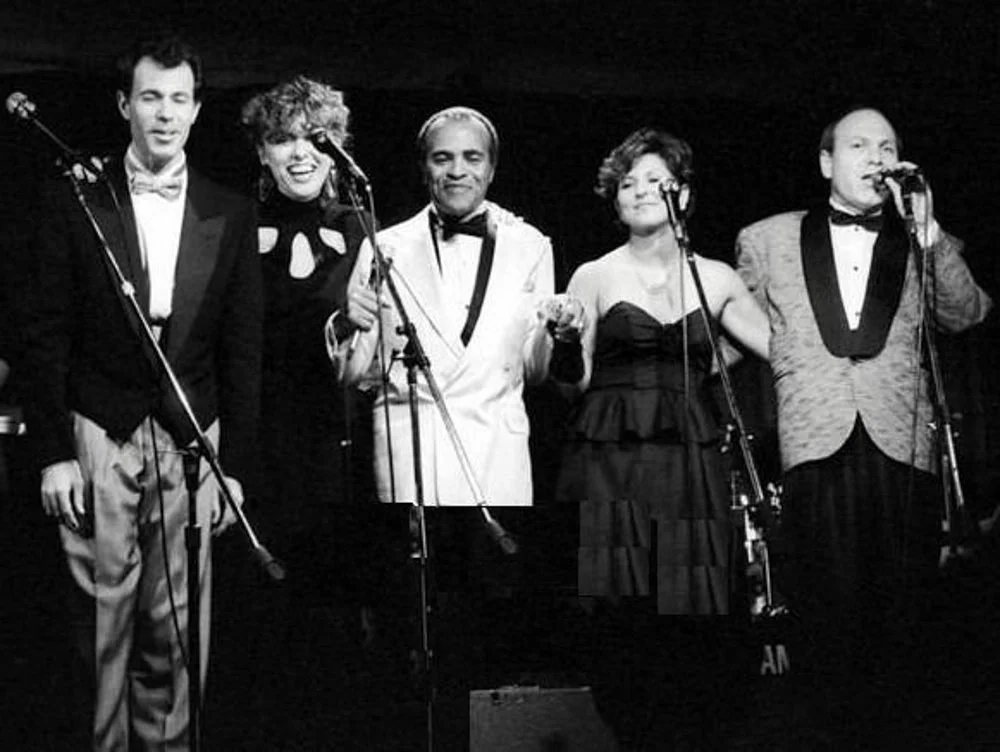
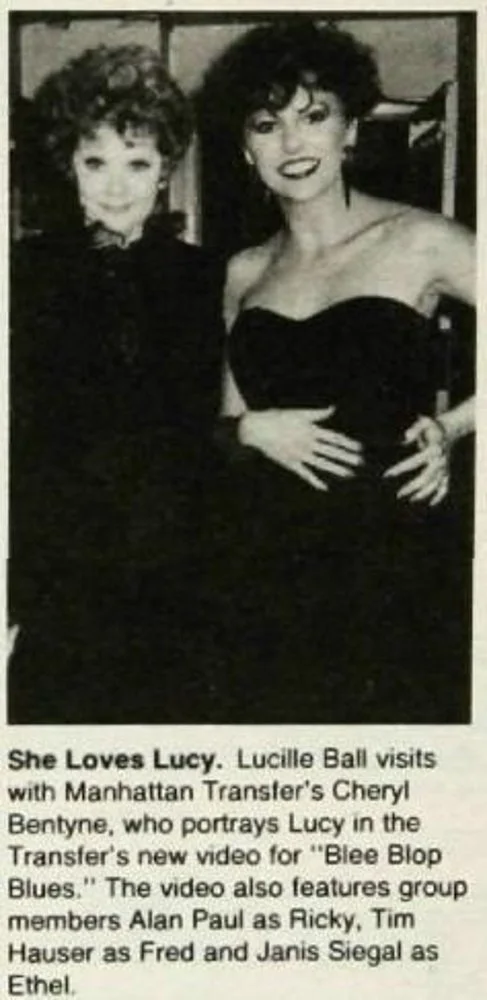
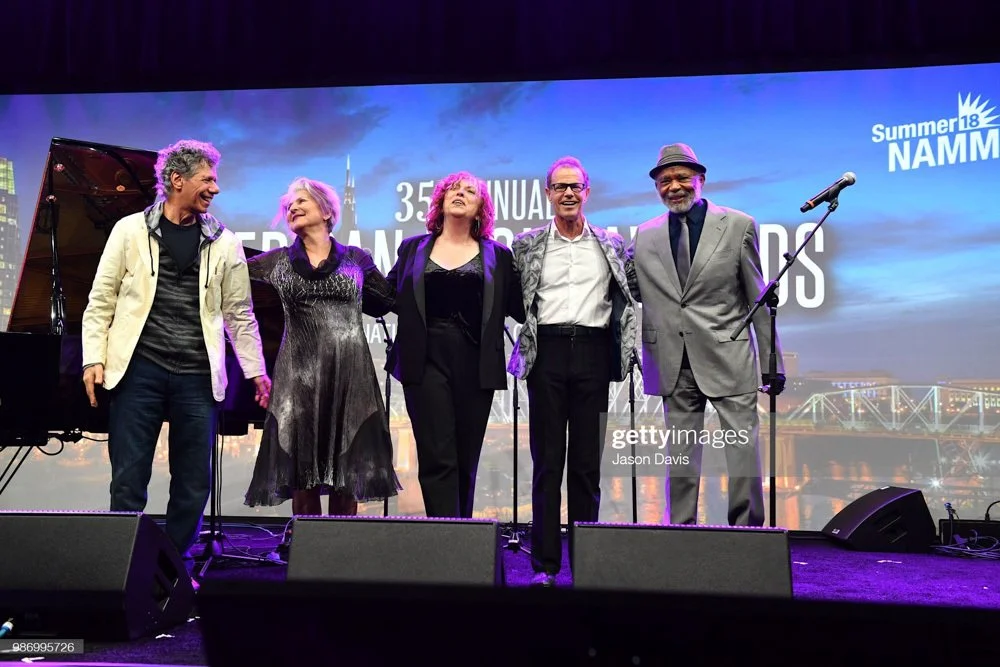
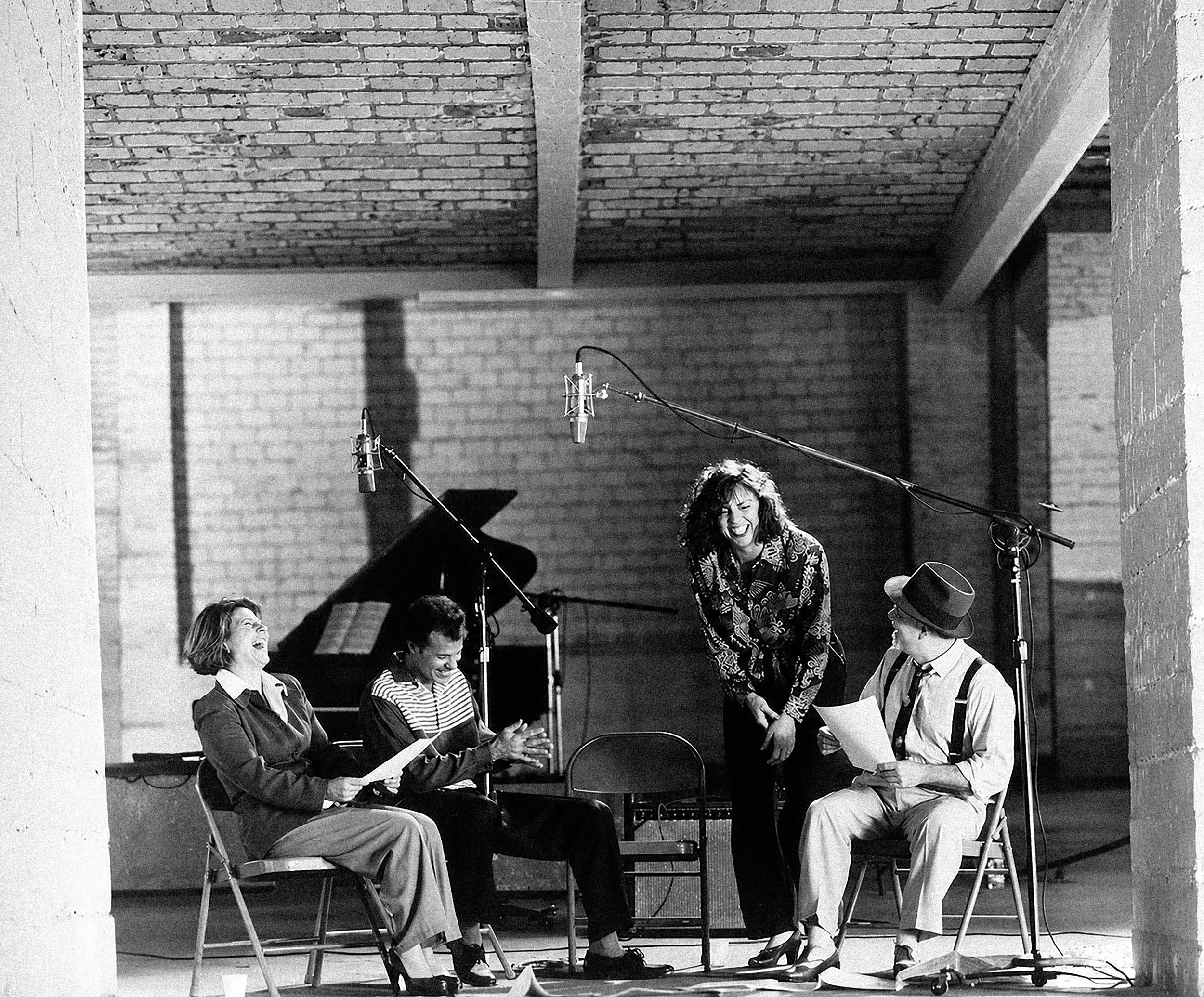
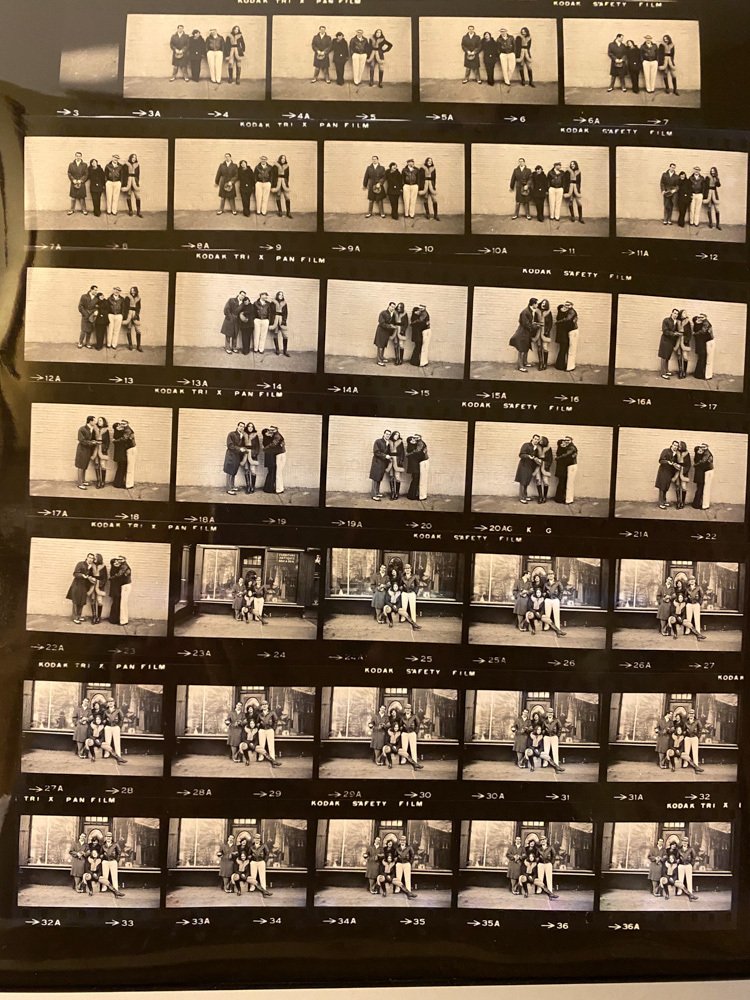
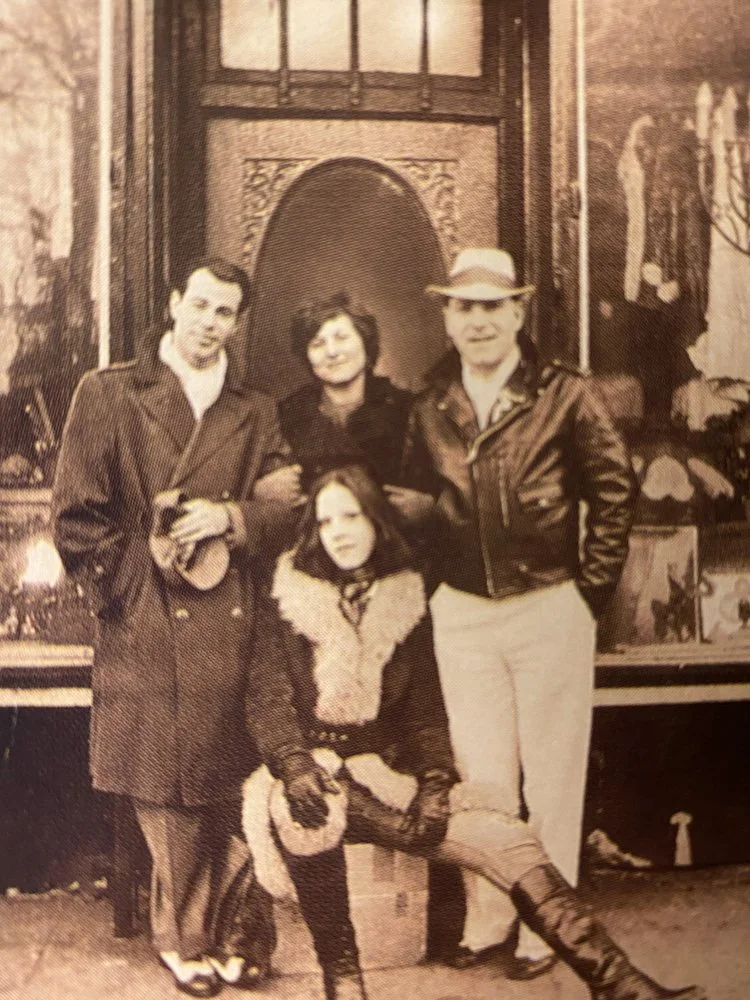
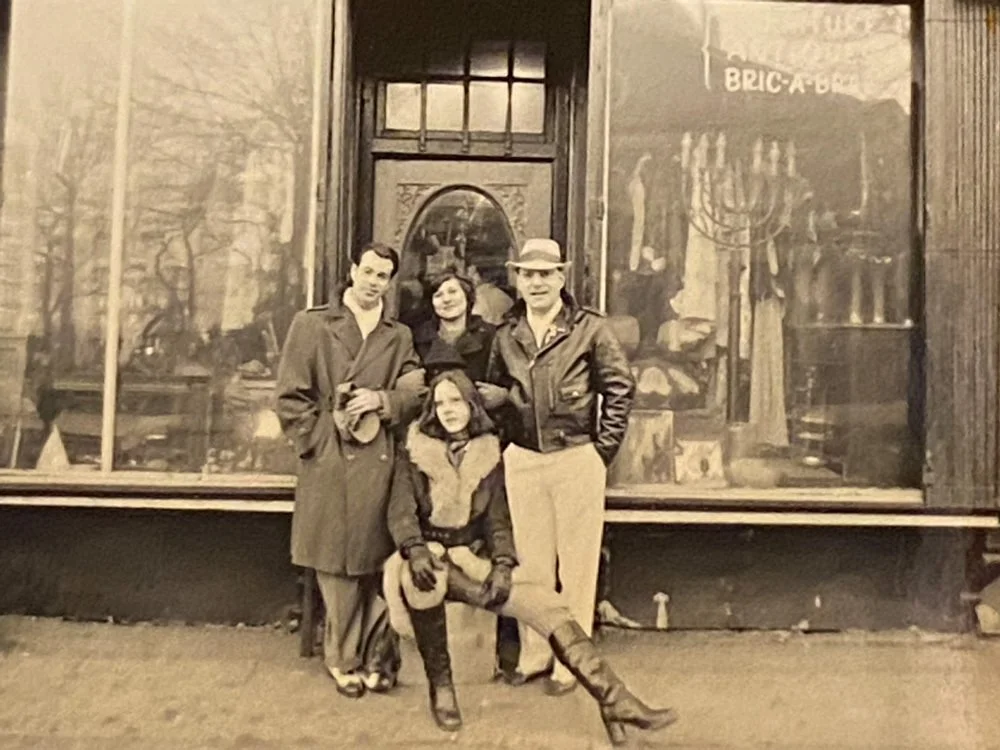
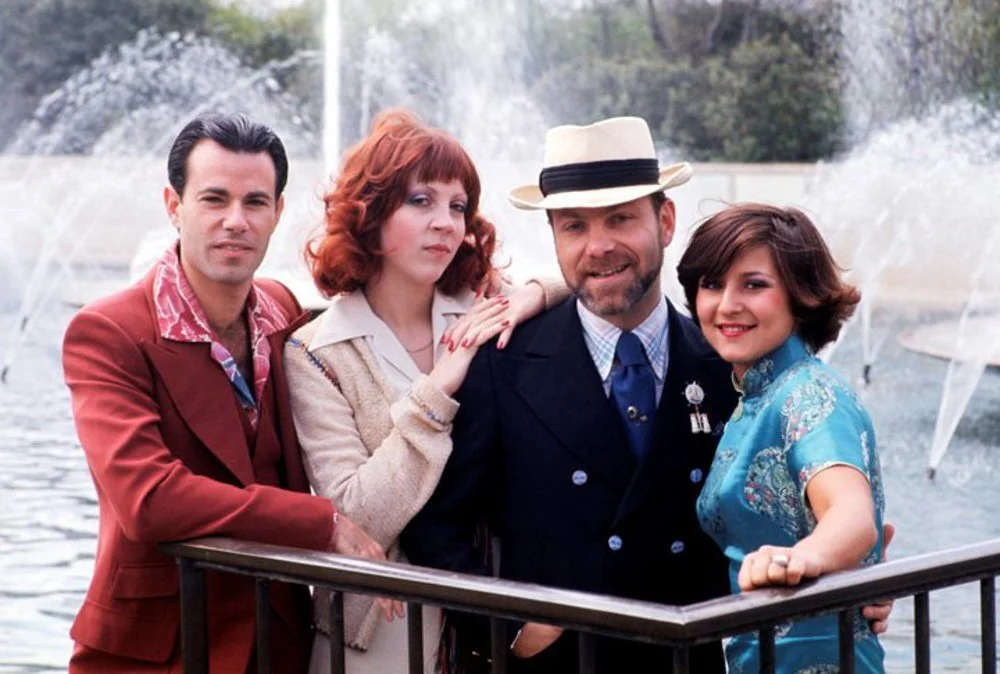
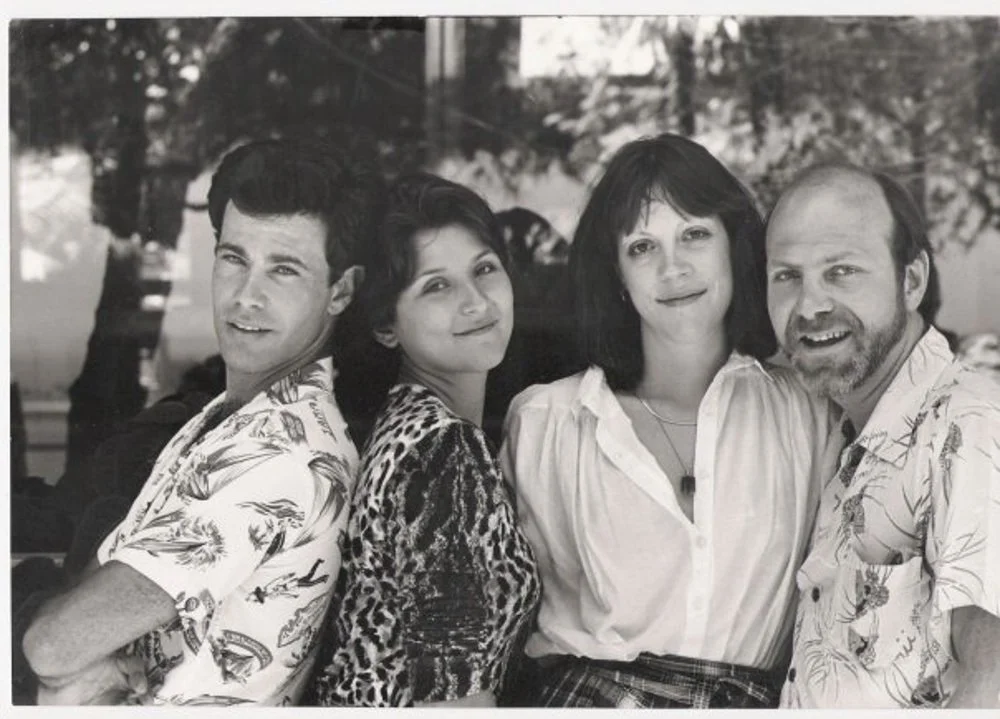
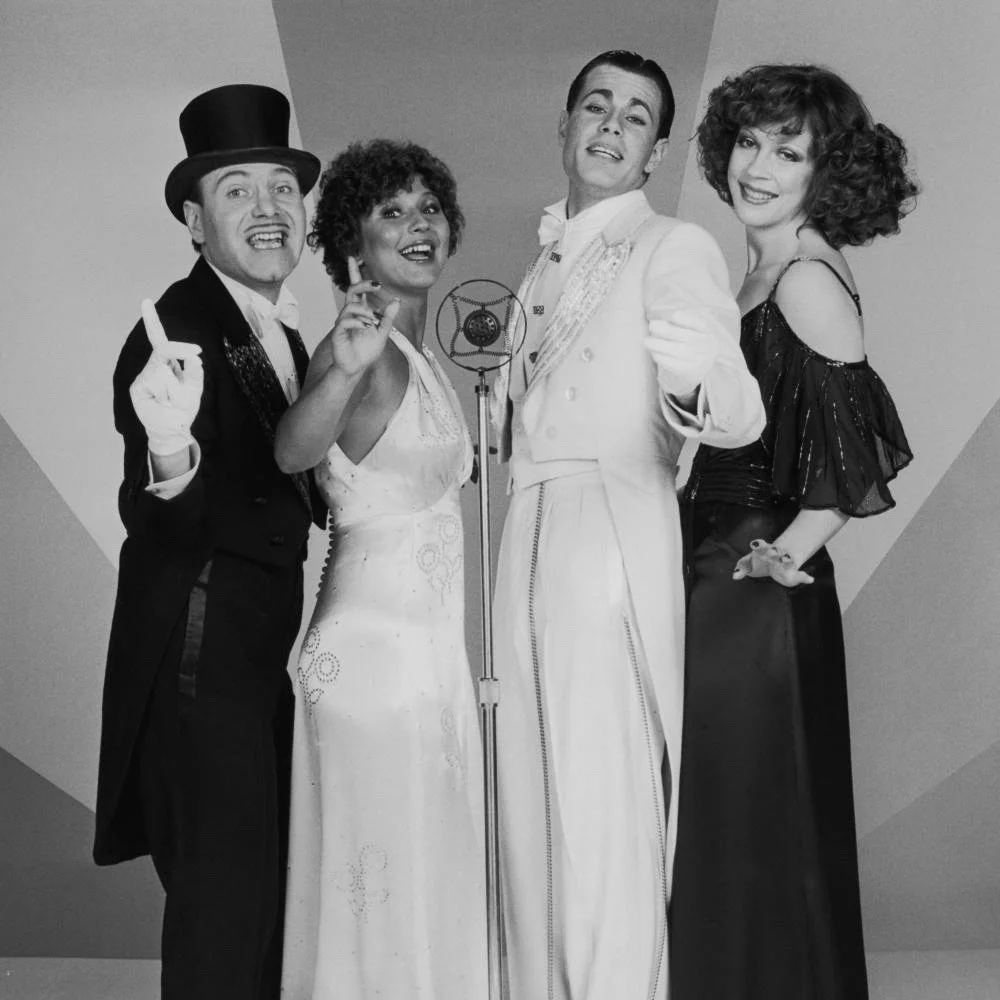
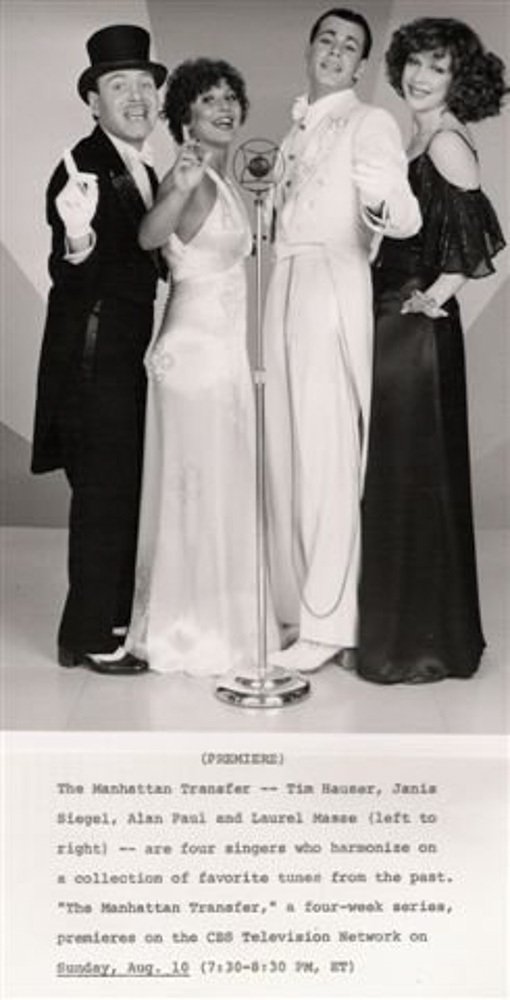
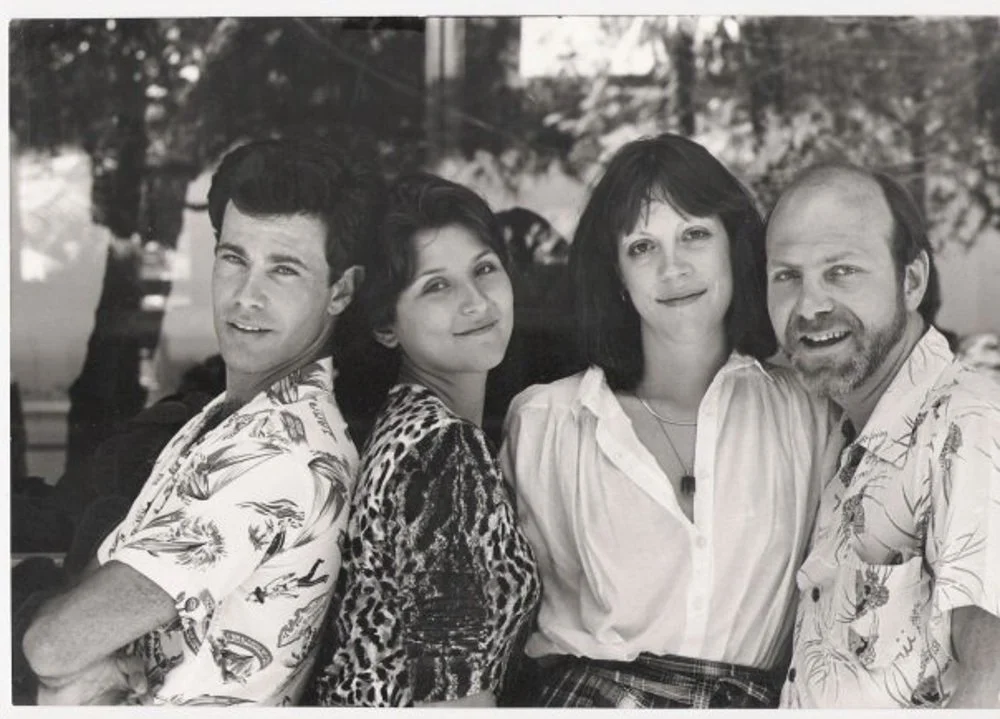
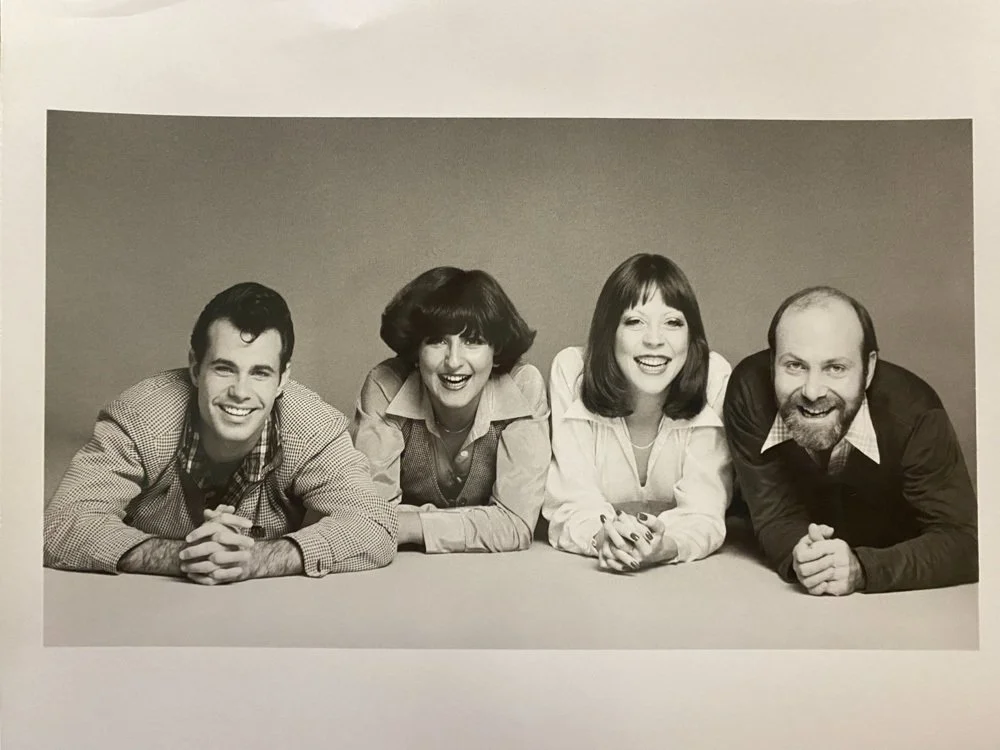
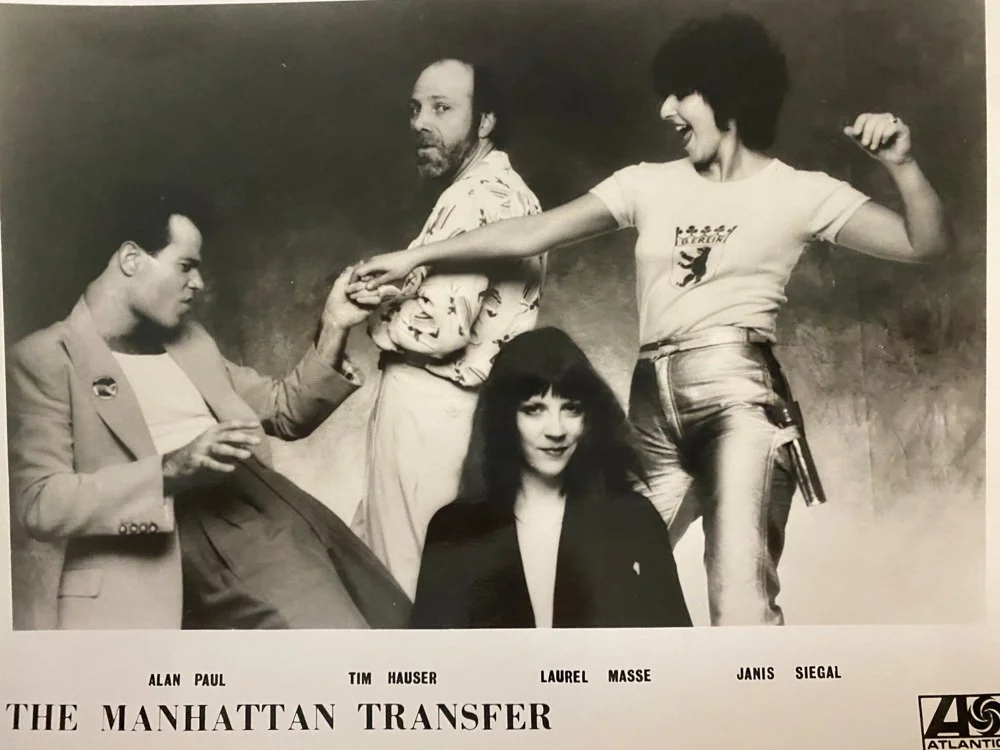
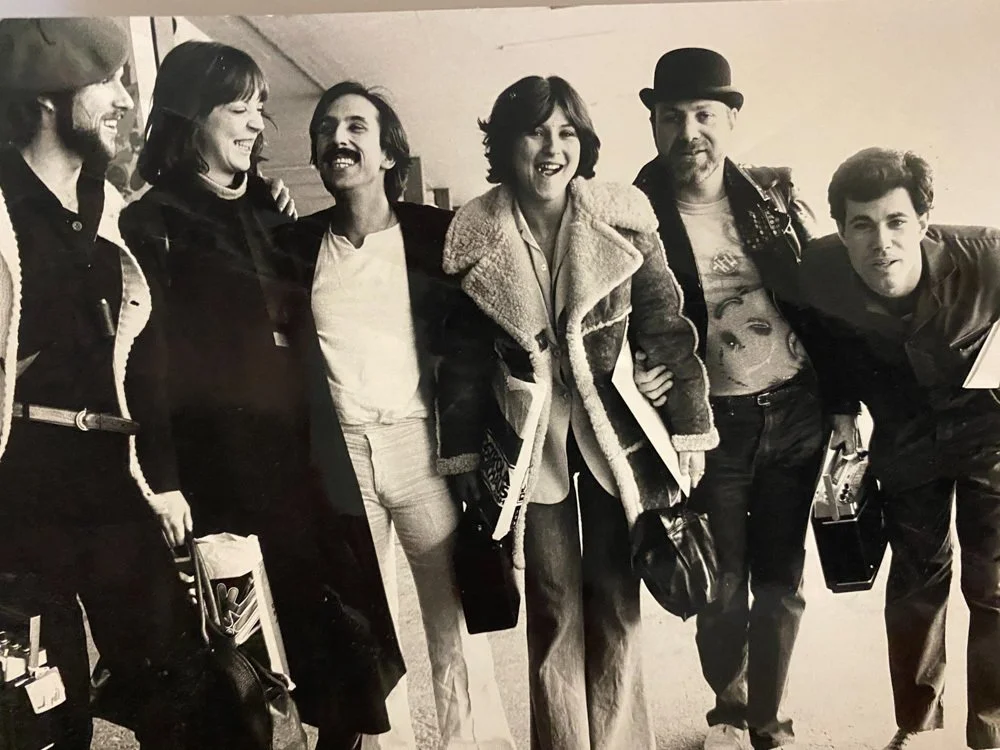
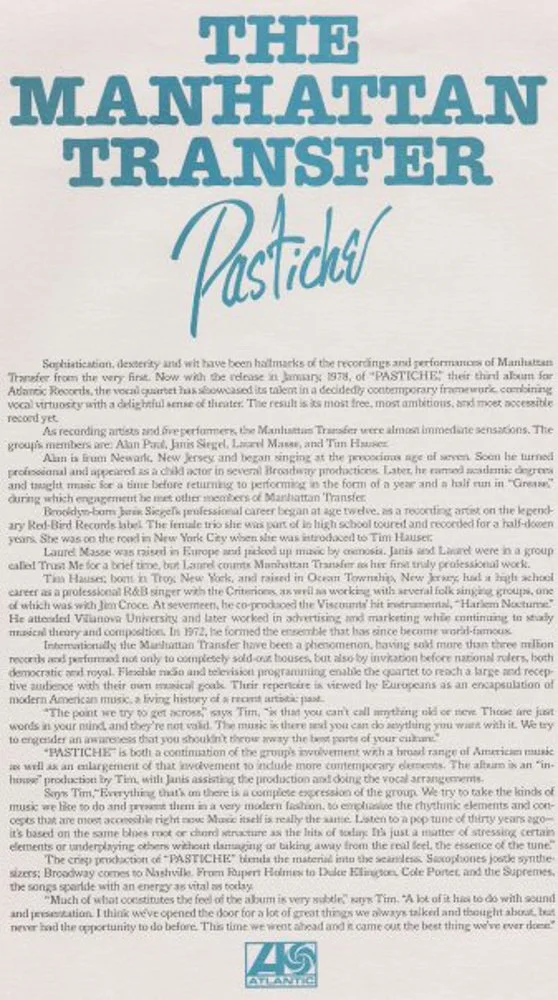
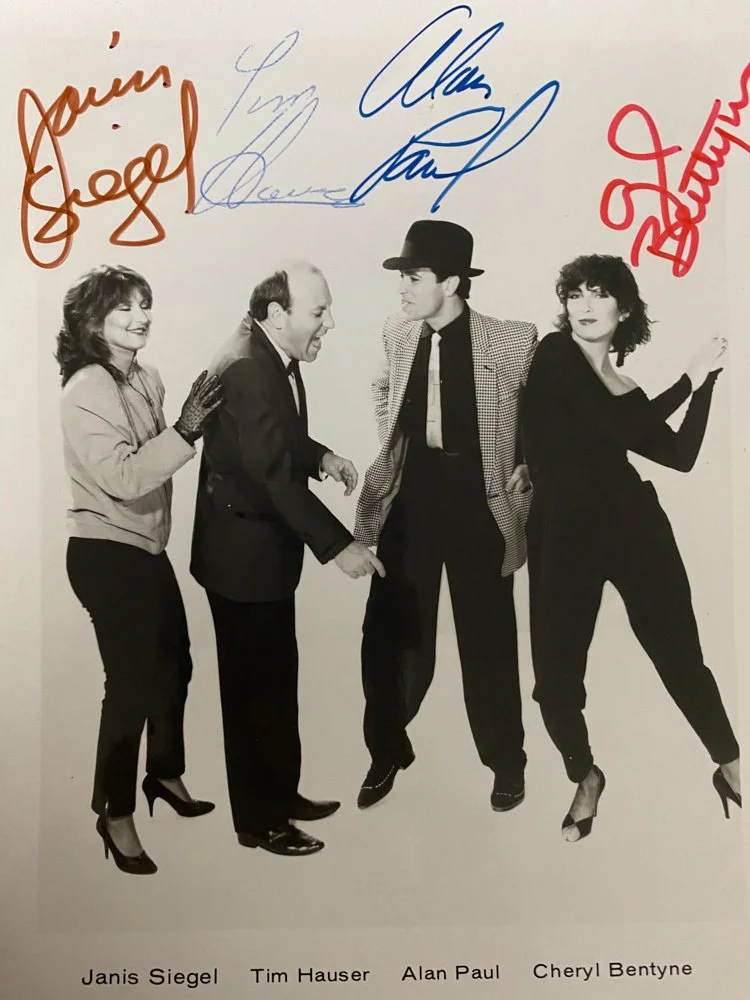
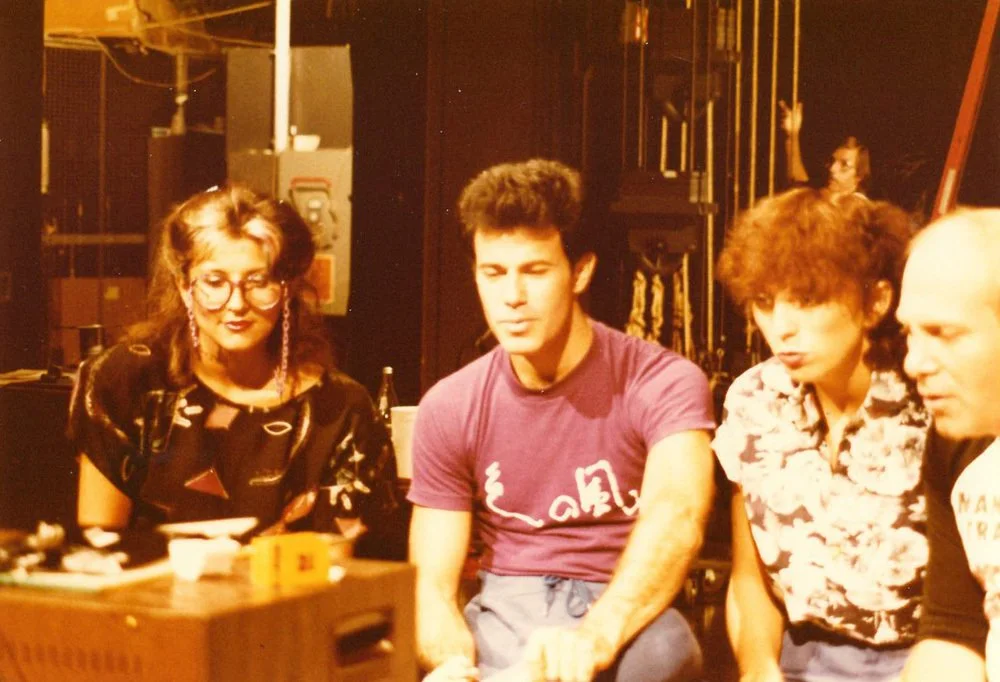
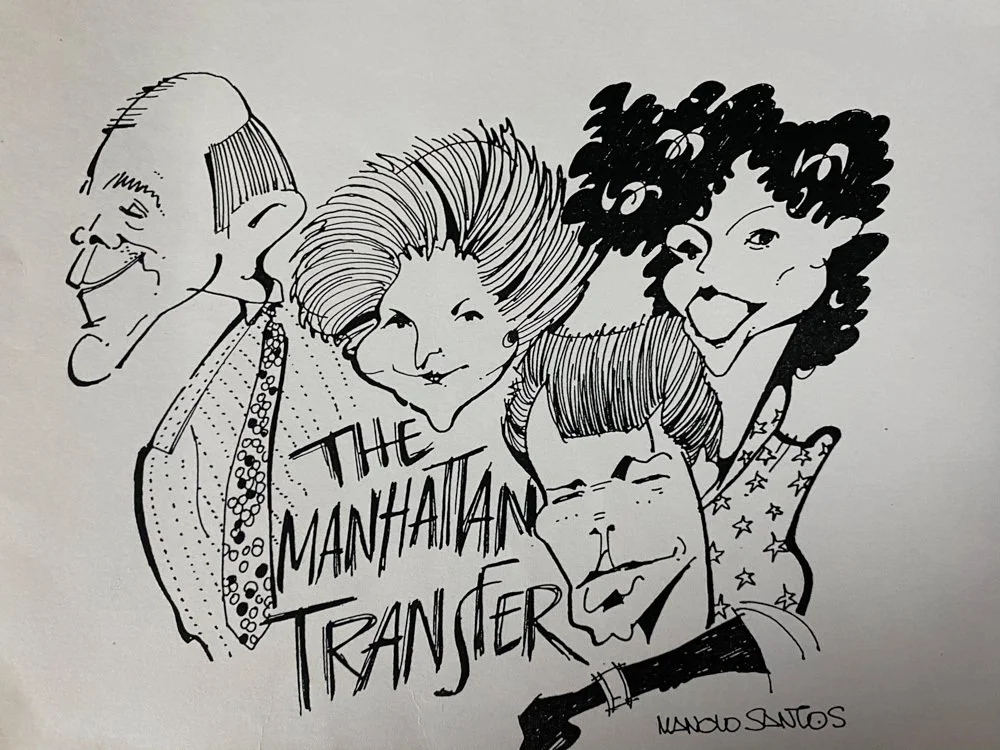
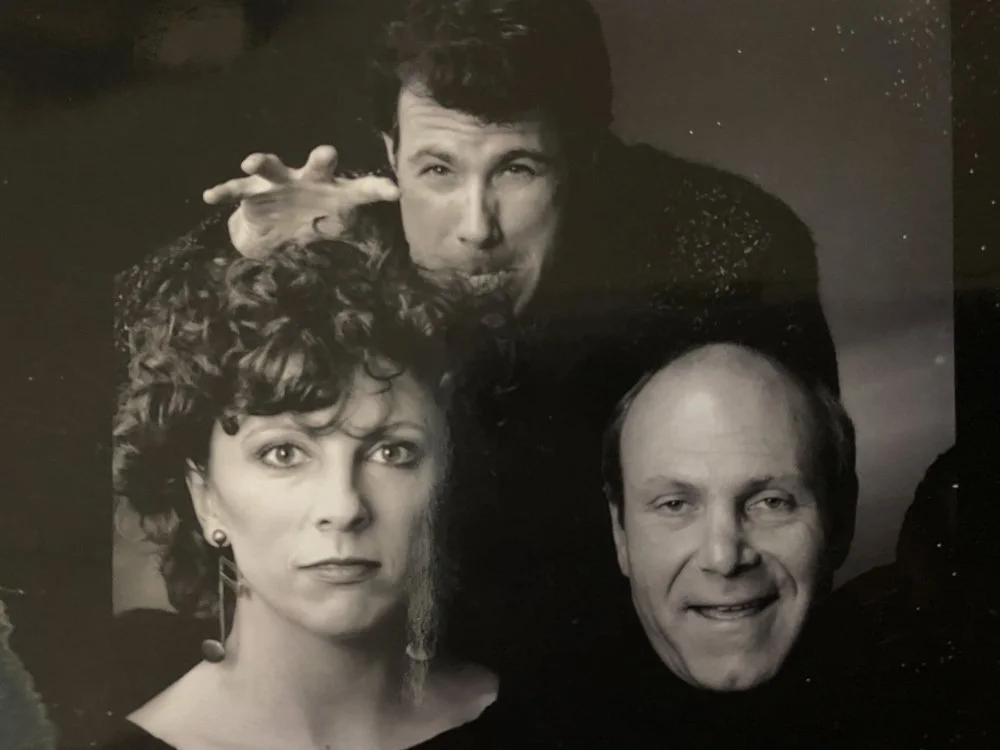
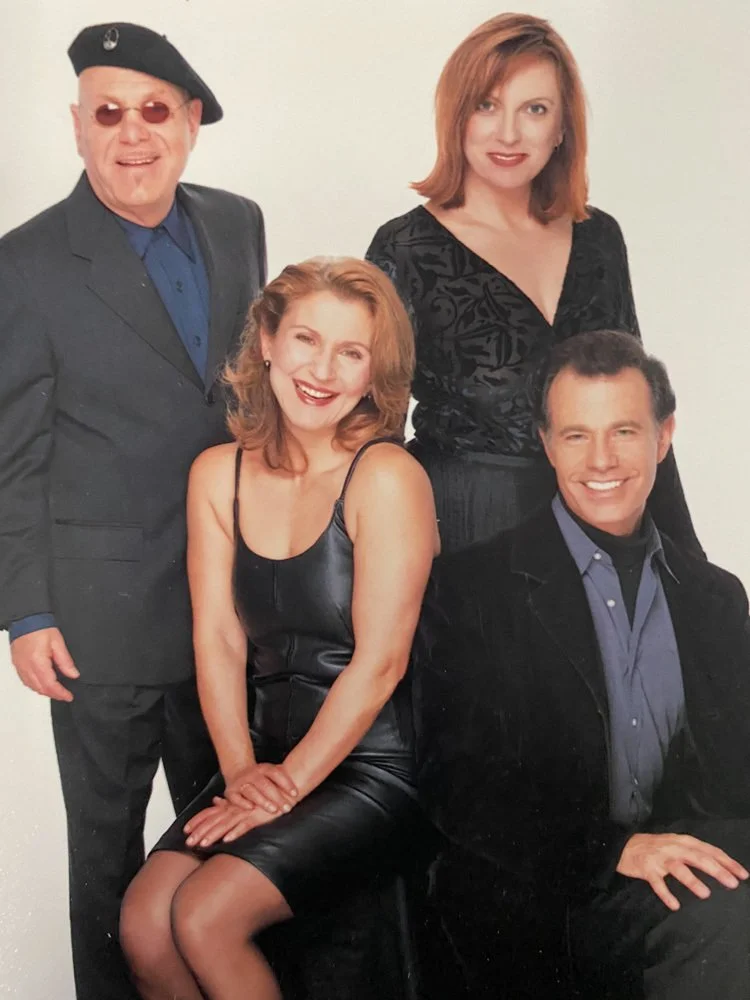
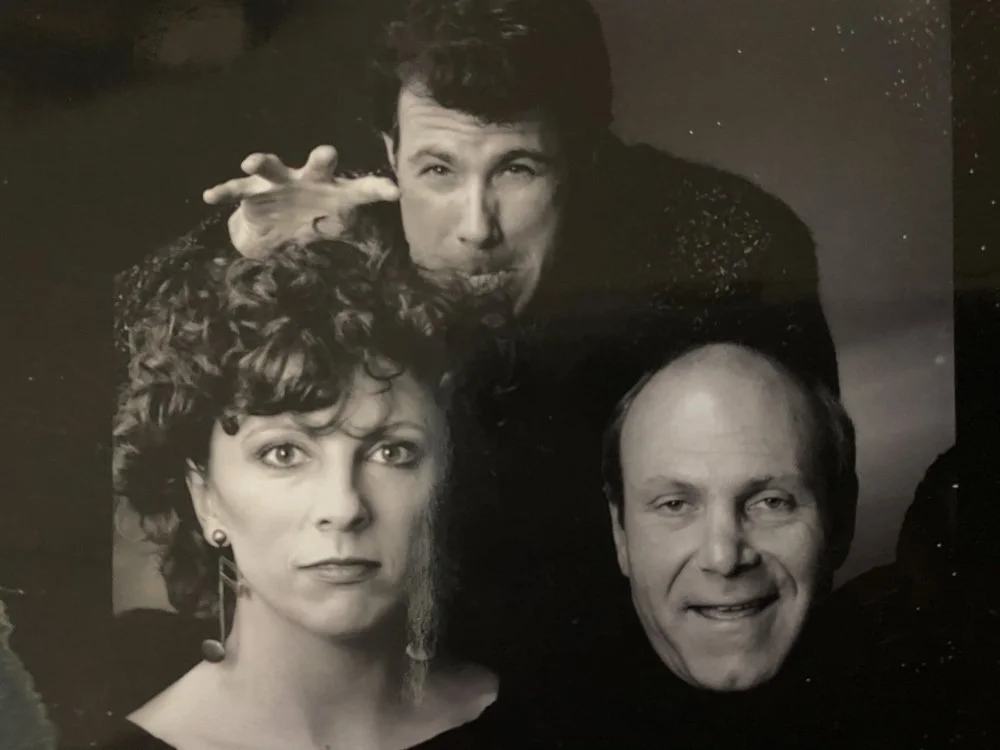
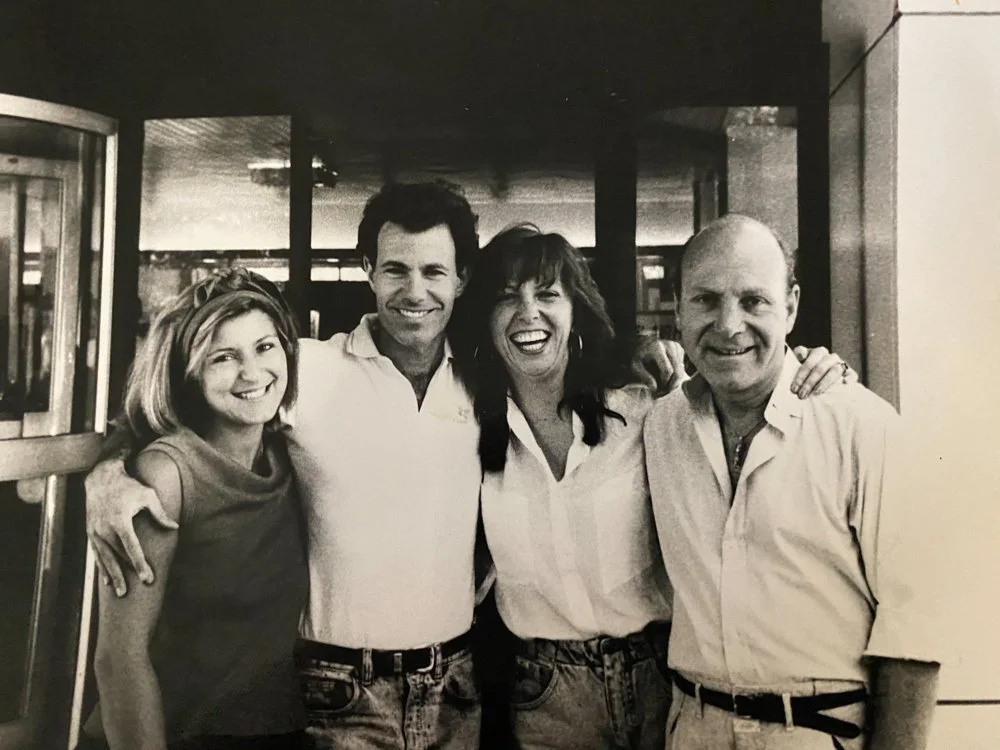
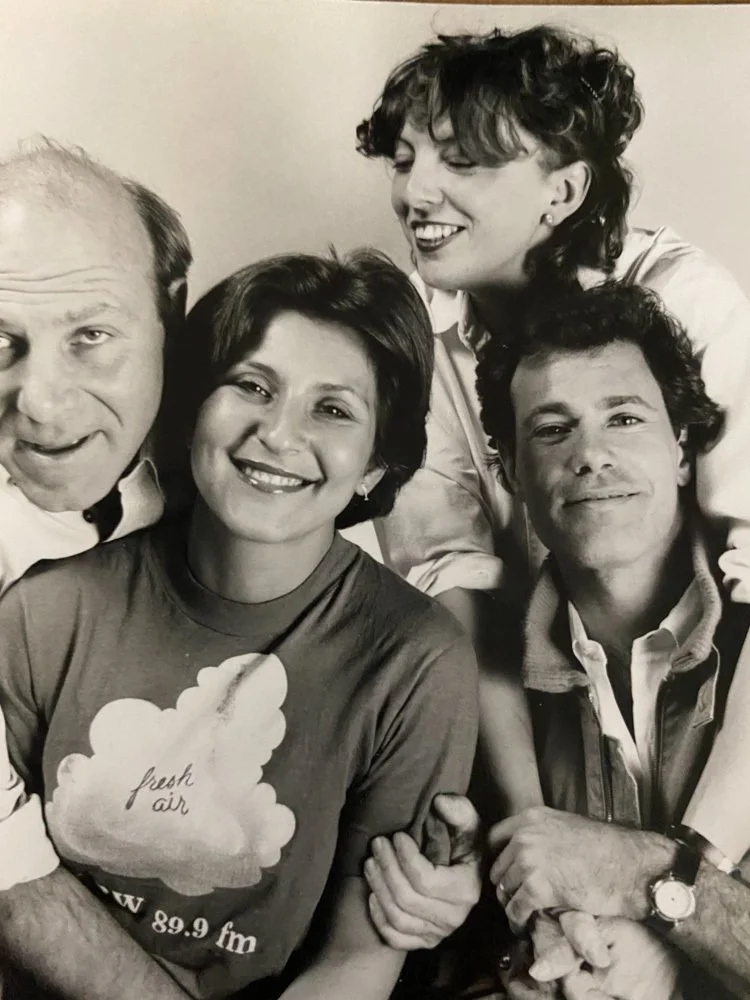
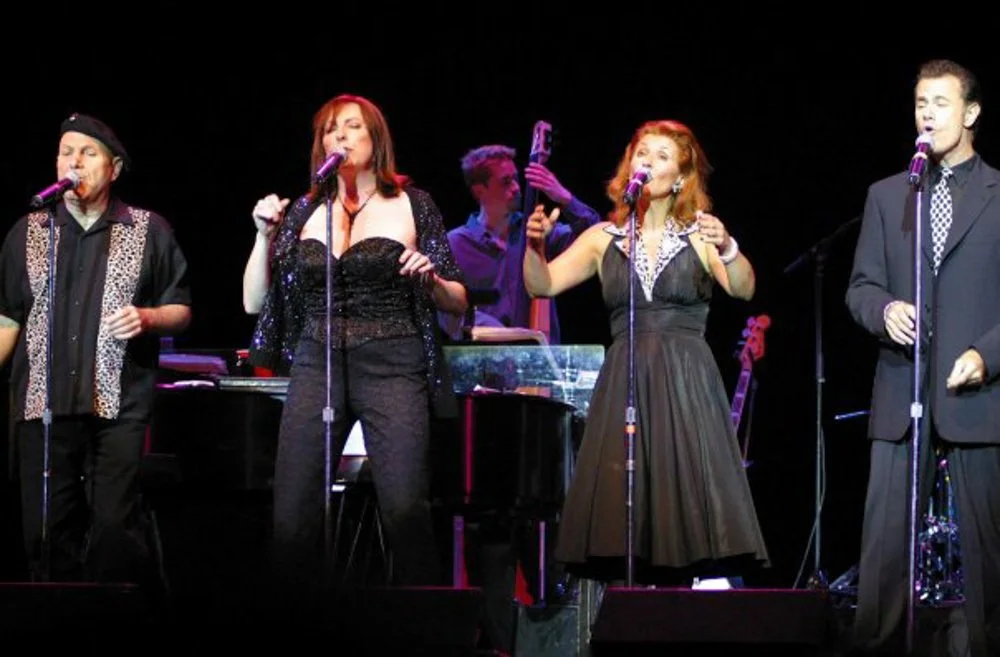
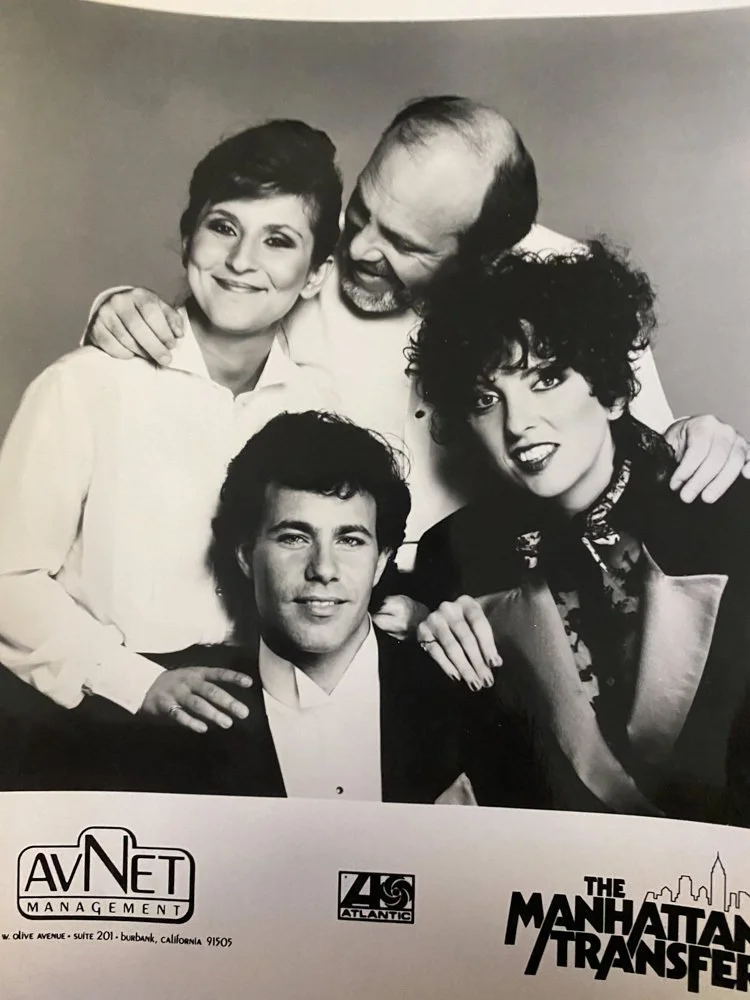
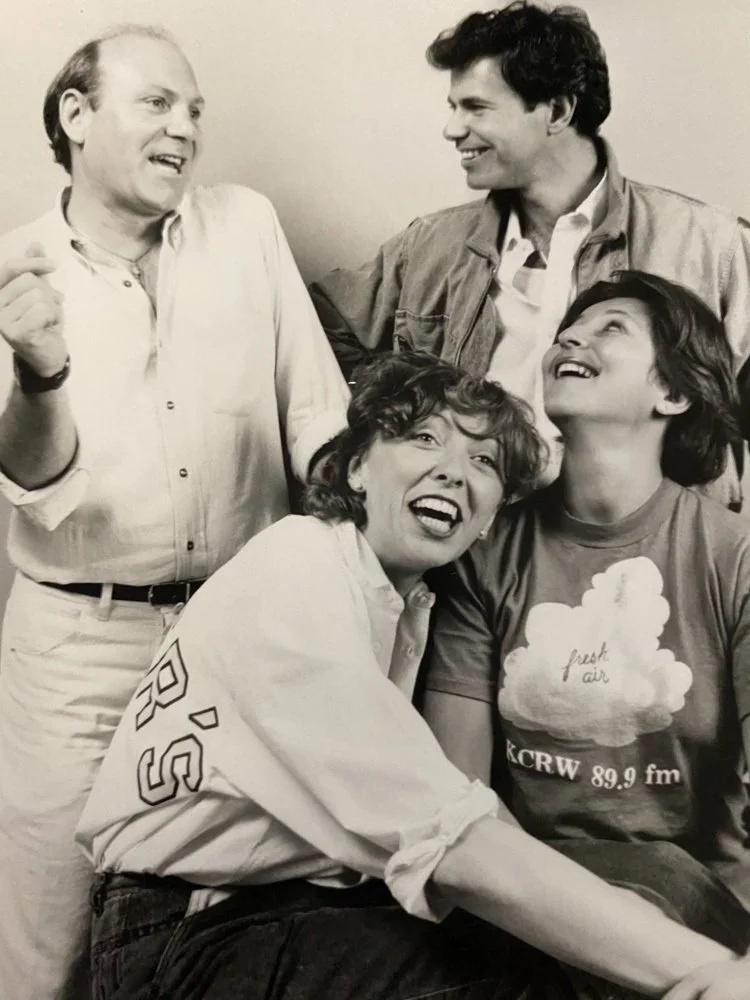
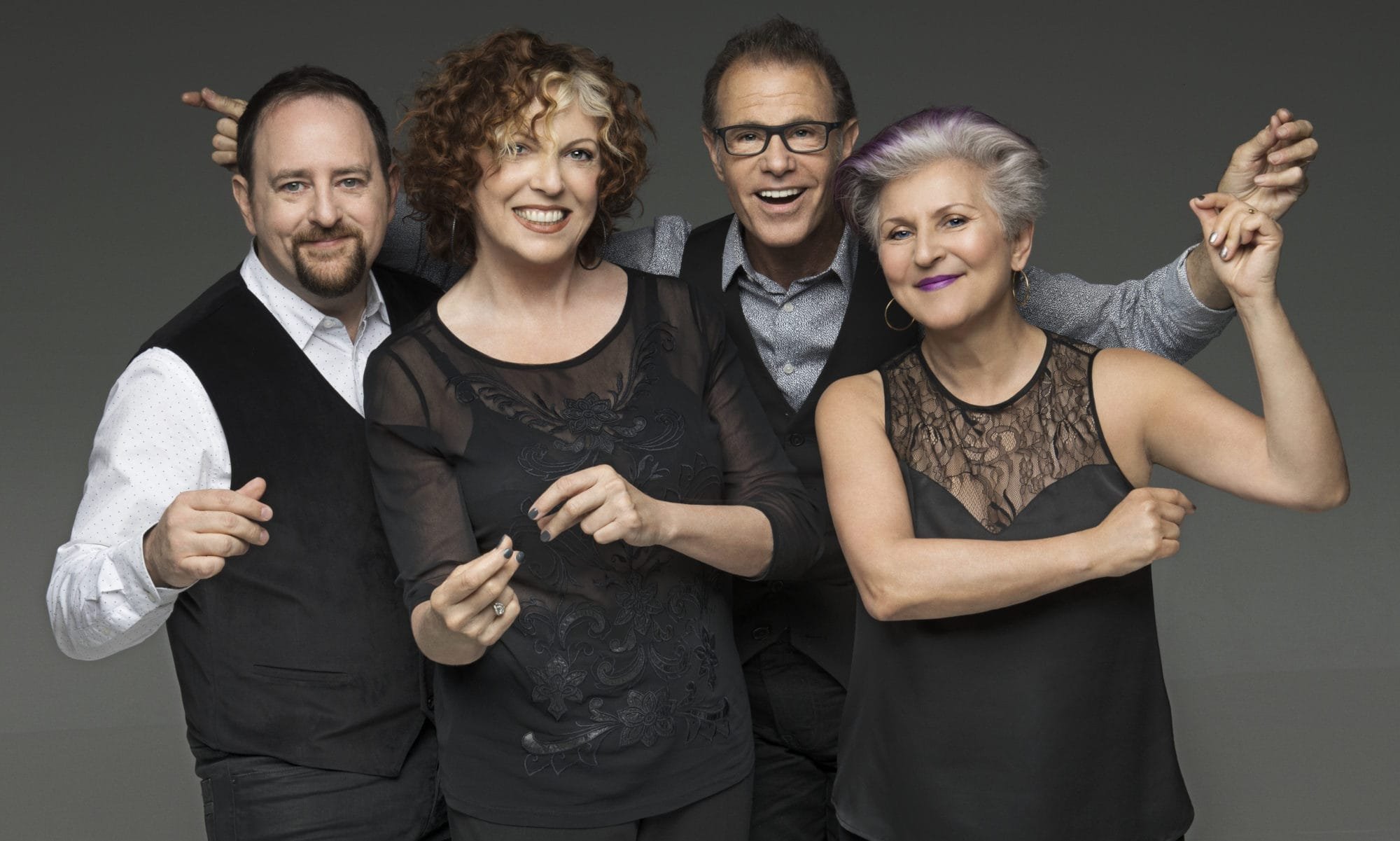
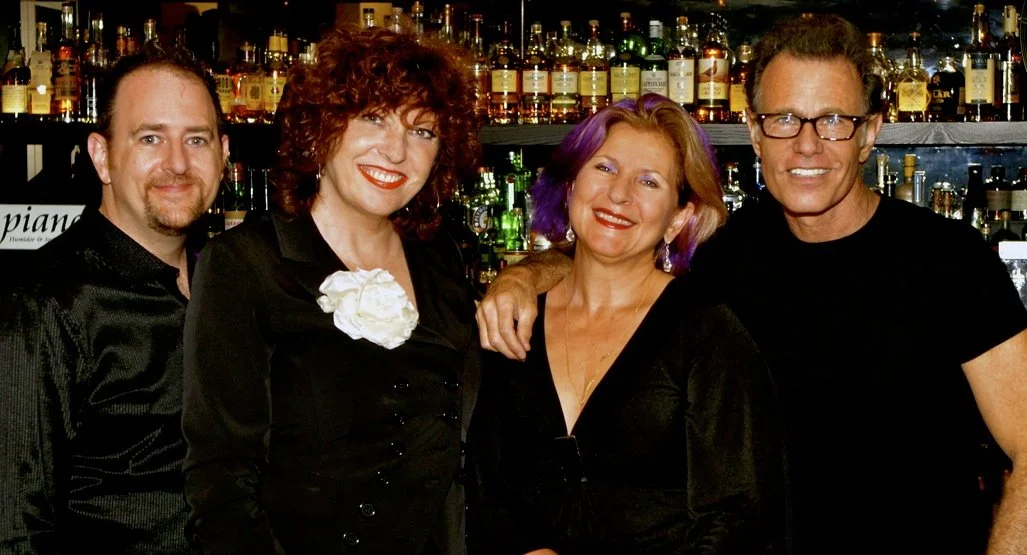
For more than 50 years, The Manhattan Transfer has set the standard as one of the world’s greatest and most innovative vocal groups - having won 10 Grammy Awards and selling millions of records worldwide, Founded by Tim Hauser - dreaming of four-part harmony organized the four-part harmony group along with Janis Siegel (alto), Alan Paul (tenor), and Laurel Massé (soprano) in 1972. Cheryl Bentyne (soprano) replaced Masse in 1979, and Trist Curless (bass) replaced Tim Hauser following his passing on October 16, 2014.
Says Alan Paul. “It's astounding to me that the group has been able to create and share our musical harmony for five decades. It is truly a blessing.” Adds Siegel, “We are proud to still be here through all the changes. We stayed true to ourselves. What The Manhattan Transfer does on stage brings so much joy, sharing music we love.”
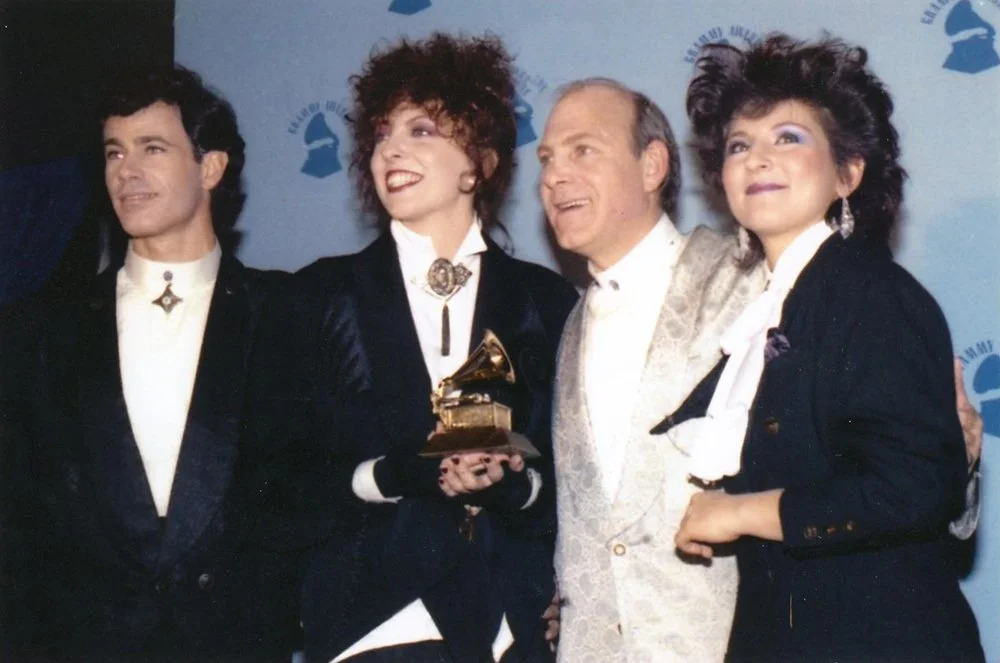
Defying categorization, The Manhattan Transfer became the first vocal group to win Grammy Awards in the pop and jazz categories in one year, 1981: Best Pop Performance by a Duo or Group with Vocal for “Boy From New York City” (a cover of the 1964 song by The Ad Libs), and Best Jazz Performance by a Duo or Group for “Until I Met You (Corner Pocket).”
“We were always very eclectic musically,” says Paul, “and we did not want to be limited or locked into one style of music.
We wanted to make great records and believed that excellence existed in all genres of music. We have always had the freedom to explore and put our harmonic stamp on whatever we did.” Siegel emphasizes the group’s unmatched ability to excel performing a wide variety of music. “We didn’t say we were a pop group. We didn’t say we were a jazz group. We’re a vocal group.”
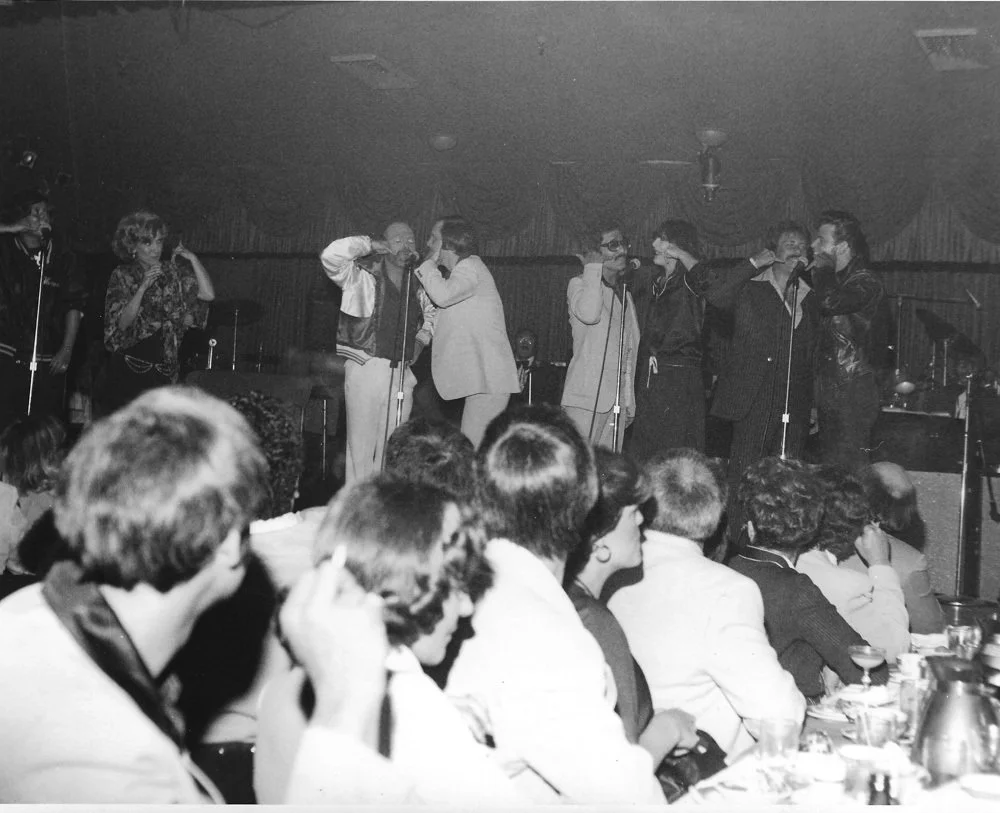
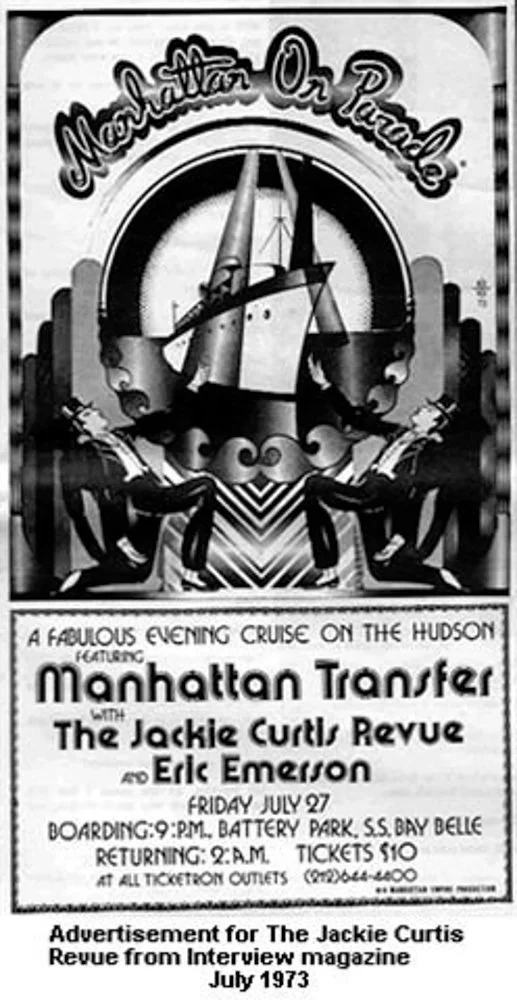
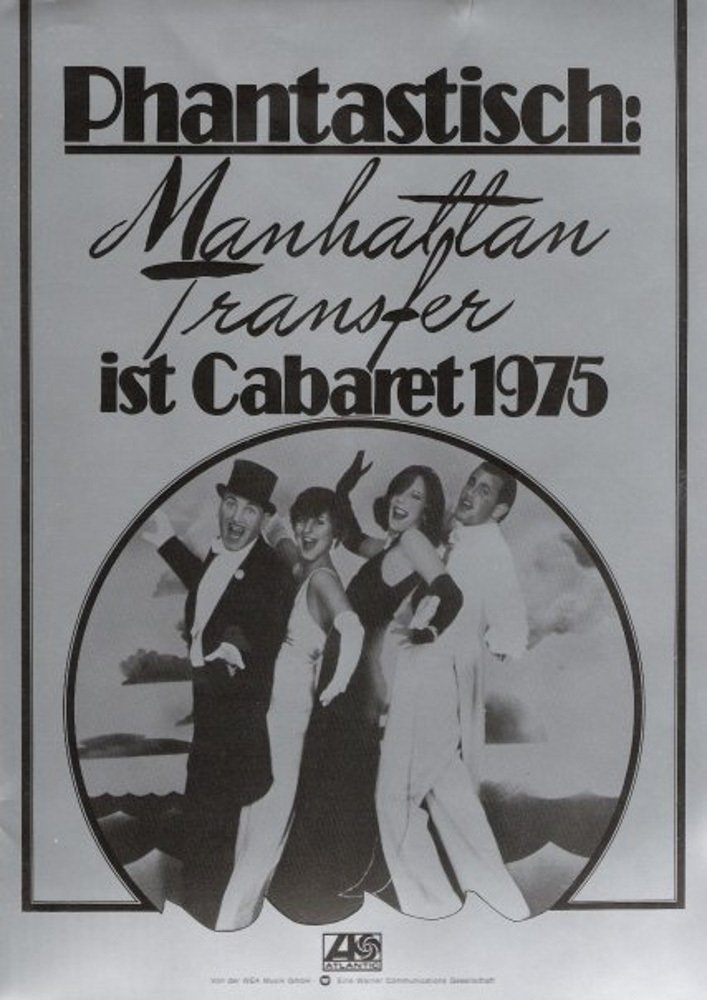
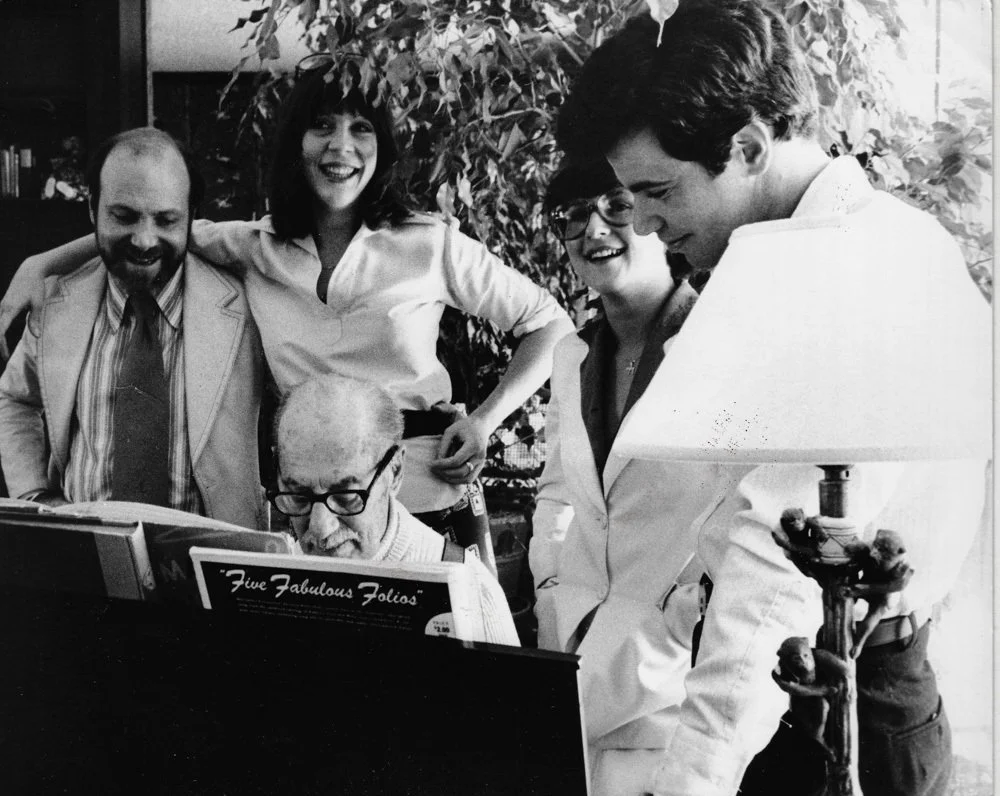
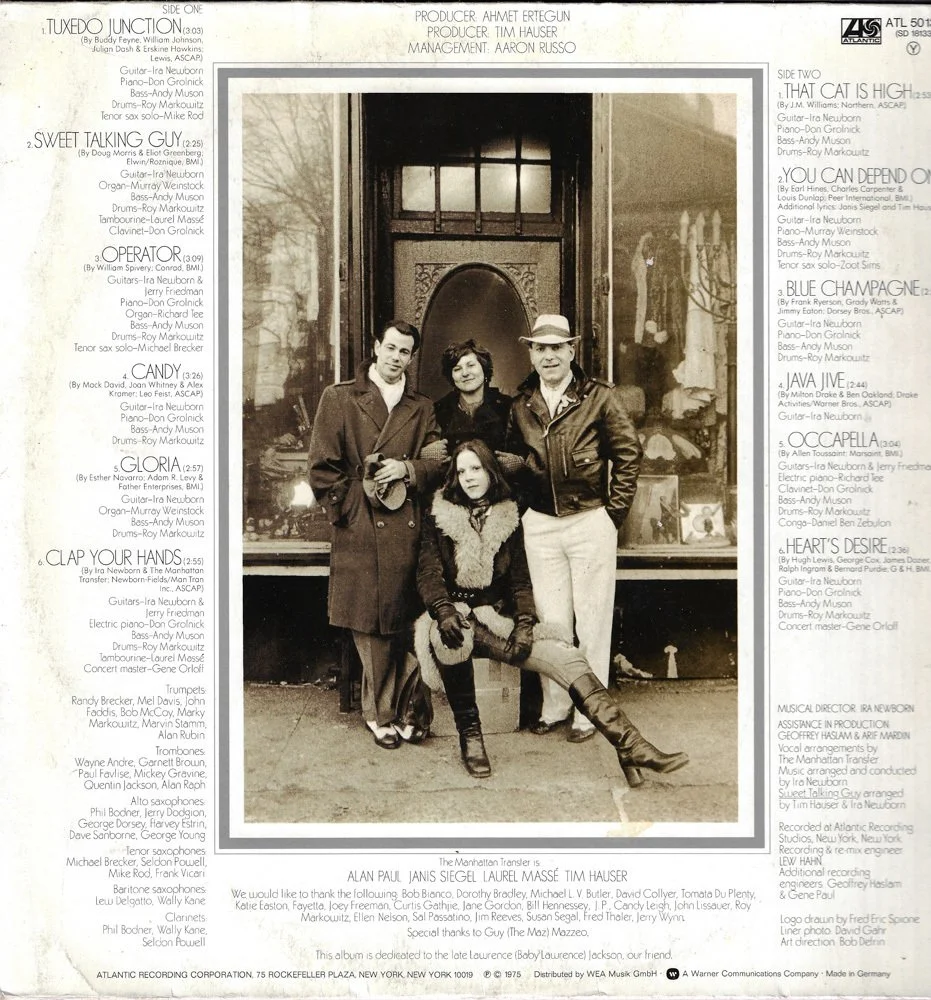
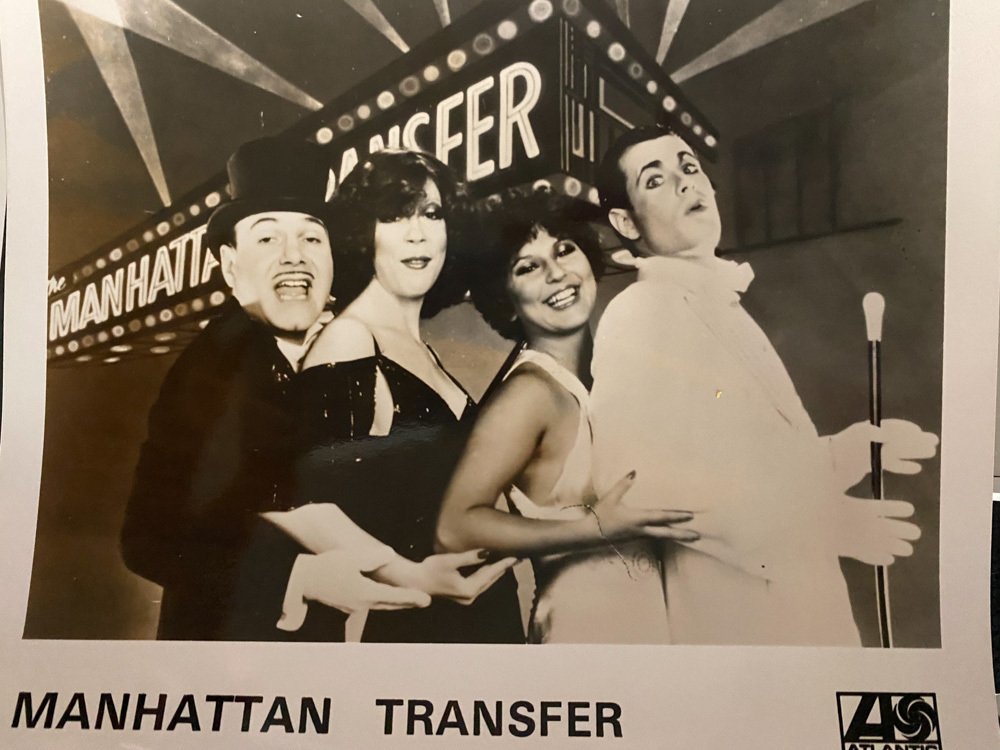
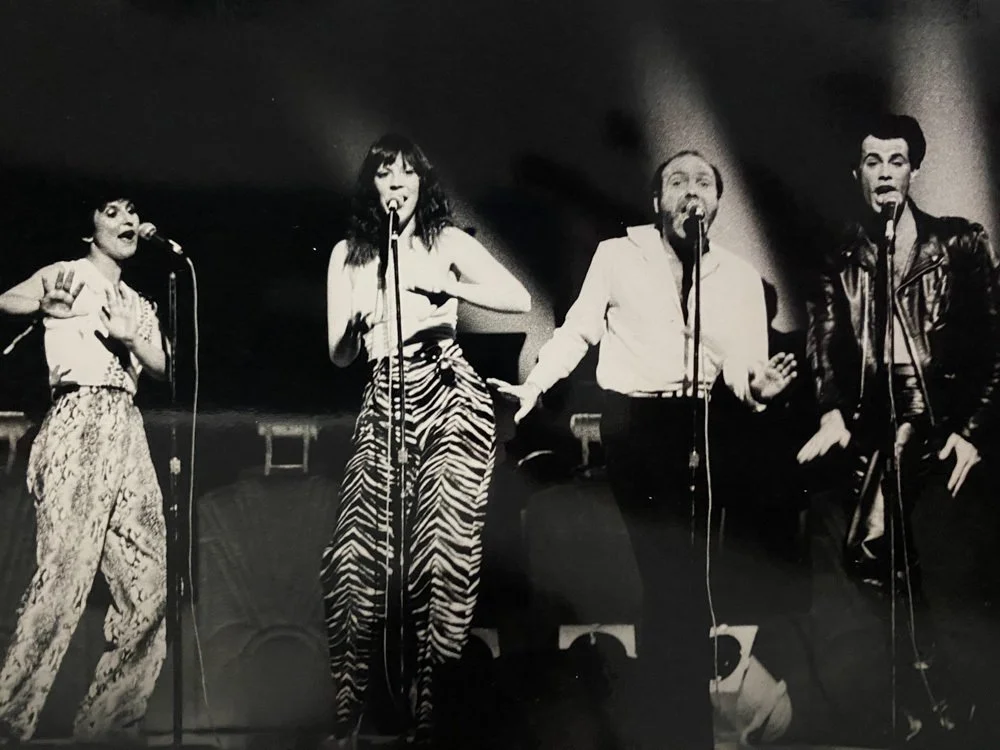
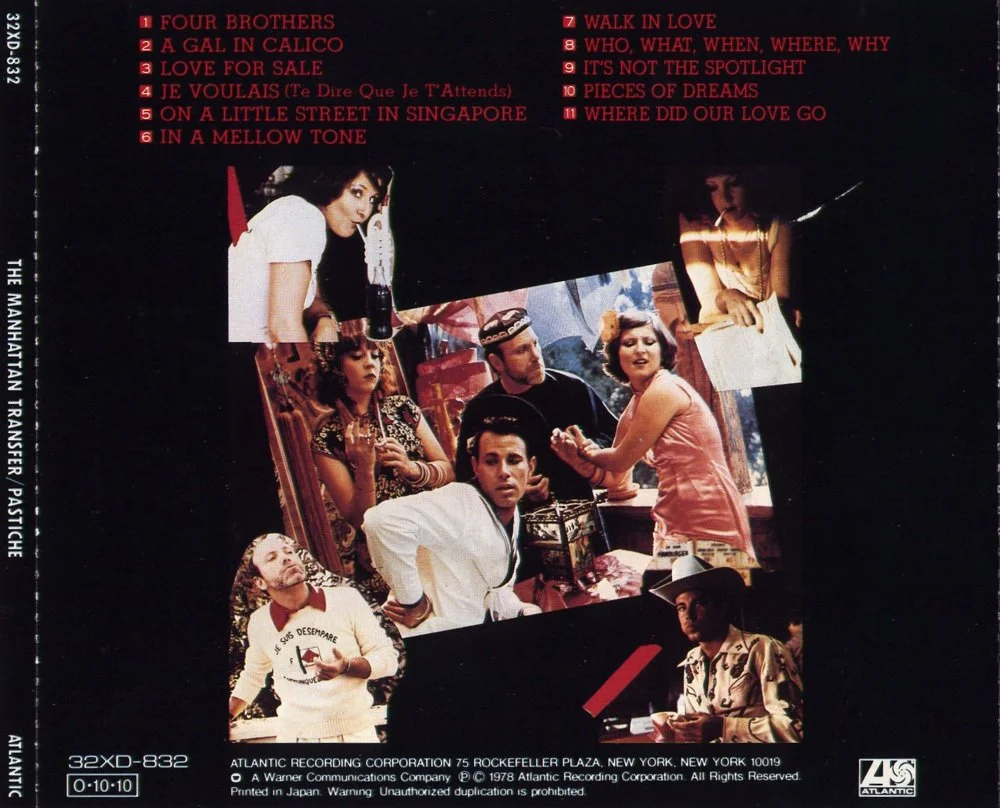
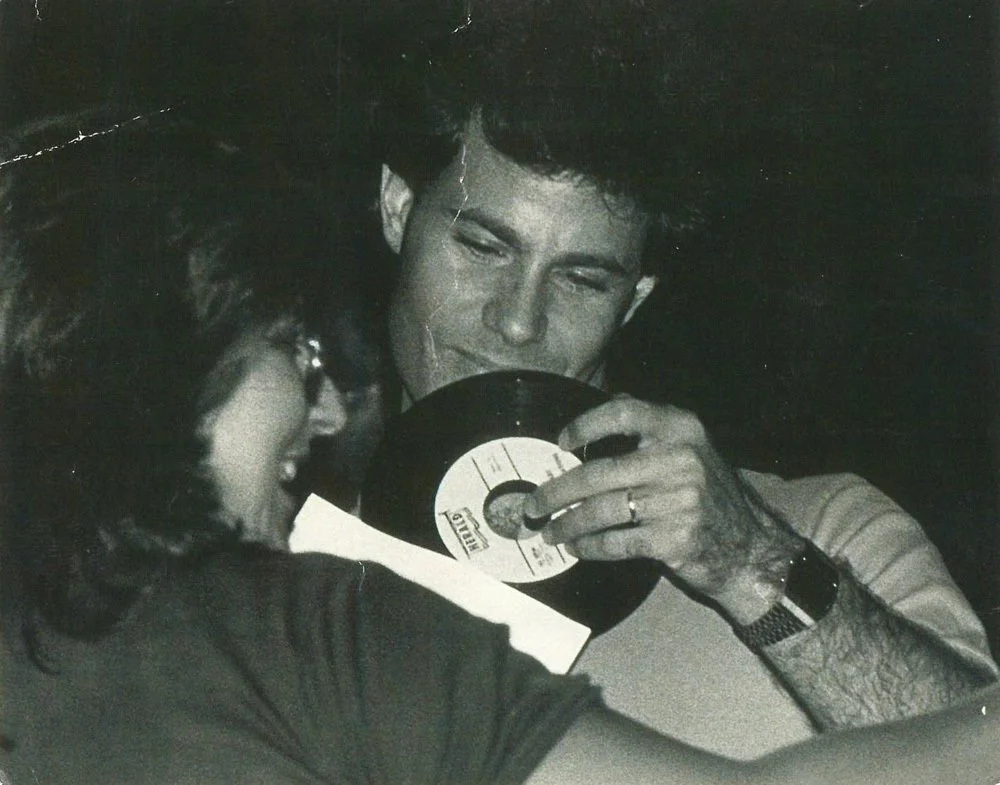
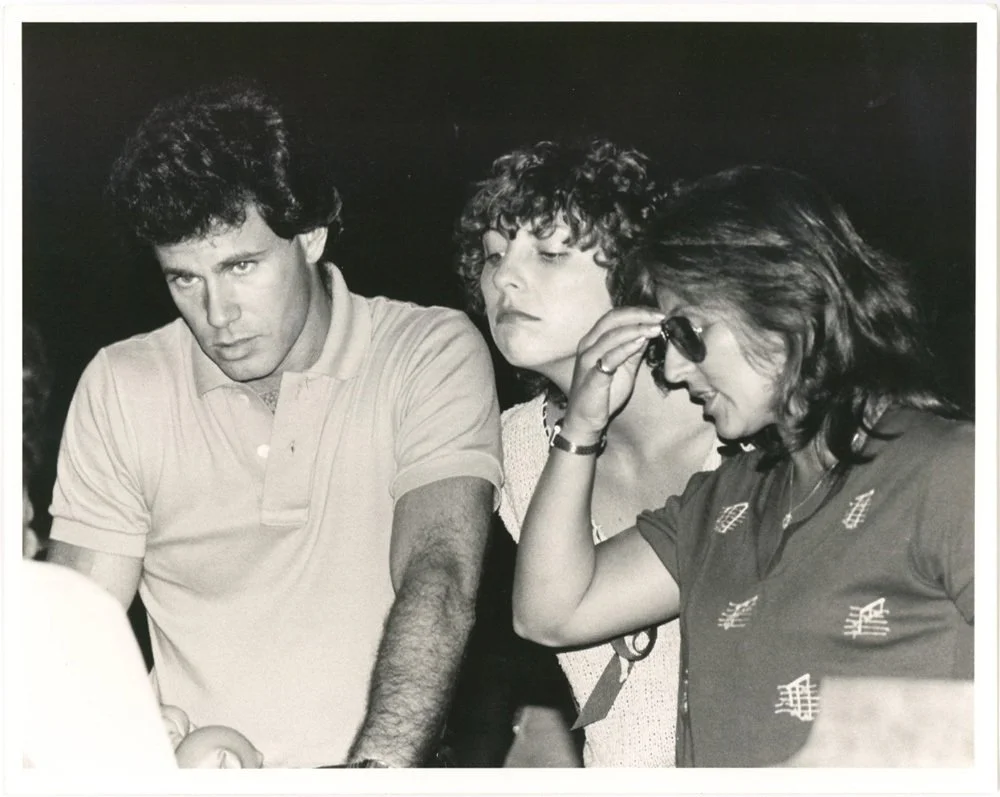
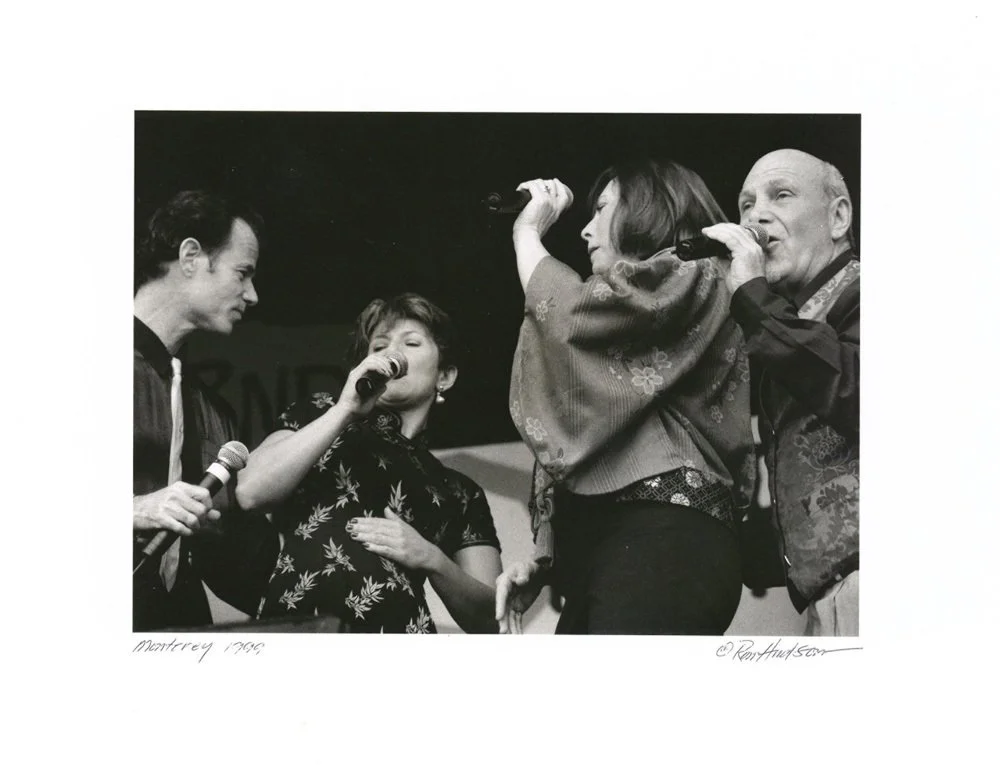
Beginning with their first performances in the early 1970’s, the members of the Vocal Group Hall of Fame have become cornerstones of contemporary music, known for their amazing versatility, incorporating pop, jazz, R&B, rock and roll, swing, symphonic, and a cappella music. The original group consisted of Hauser, Siegel, Paul, and Laurel Massé. After being signed by the legendary Ahmet Ertegun to Atlantic Records, The Manhattan Transfer made their recording debut with their self-titled album in 1975.
“It took a while to get a deal,” Paul remembers. “We were selling out clubs in New York City, but no one would sign us. The labels thought we were not commercial and didn’t want to take a risk.” Bette Midler was a friend of Tim’s and through her manager, Aaron Russo, invited Ahmet (Ertegun) to our show in Philly and the rest is history.”
The 1970’s
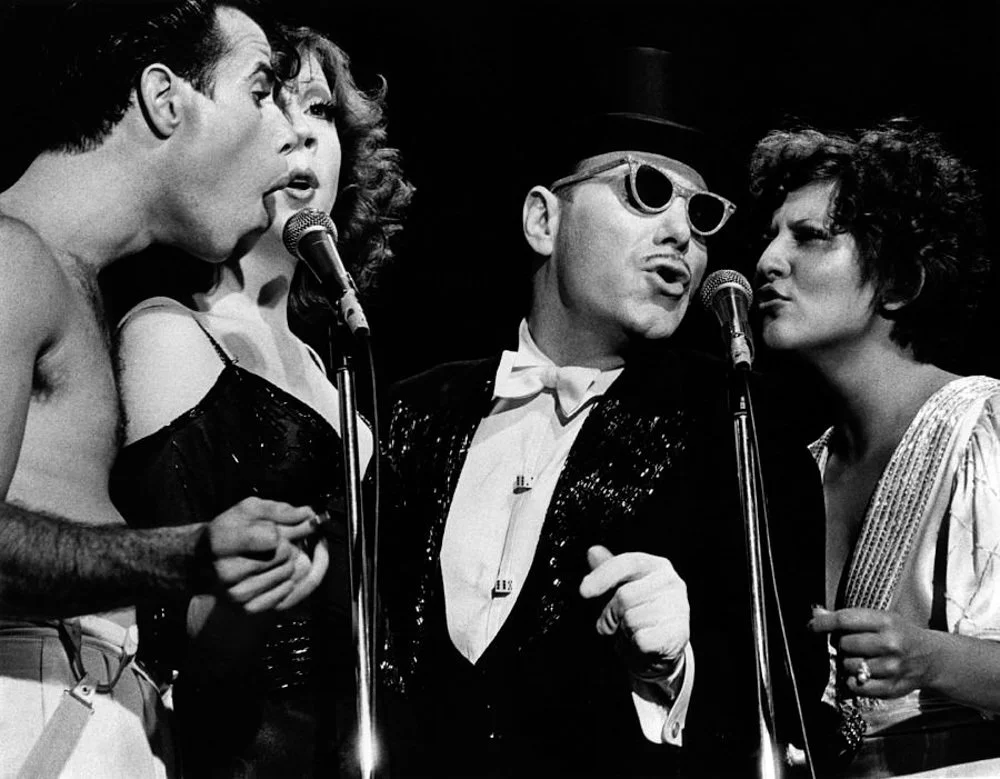
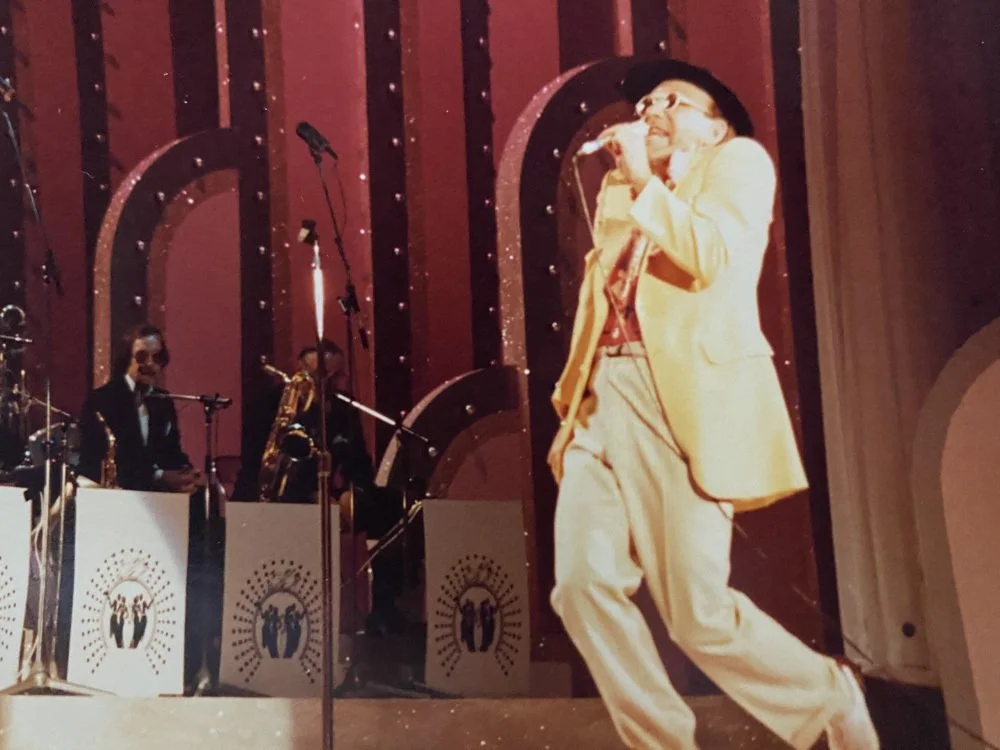
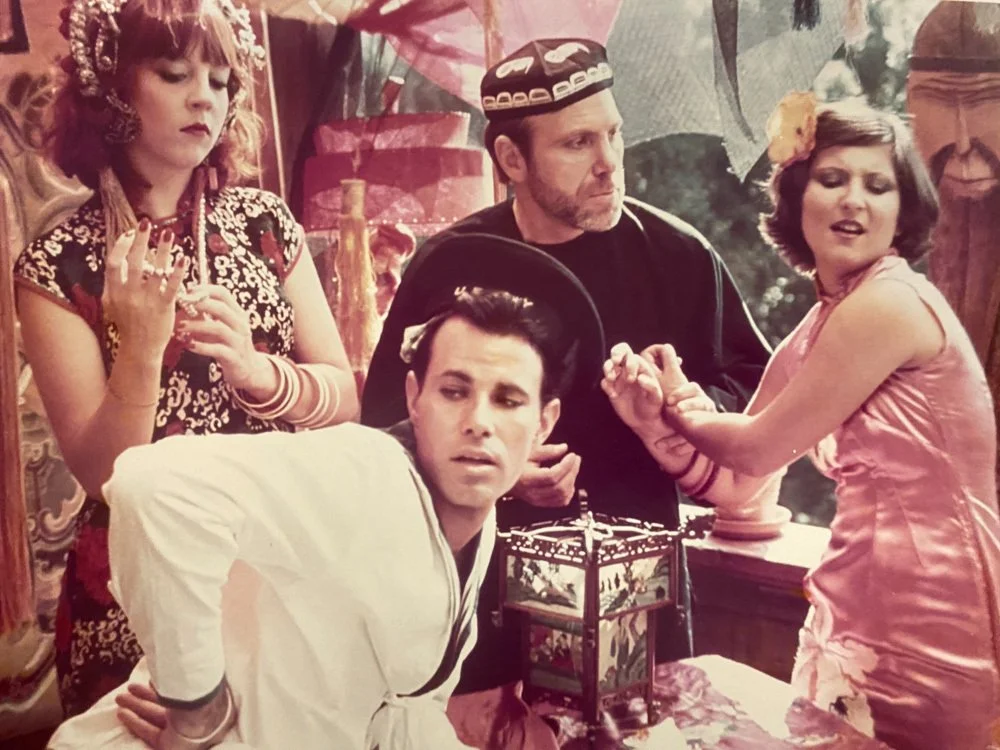
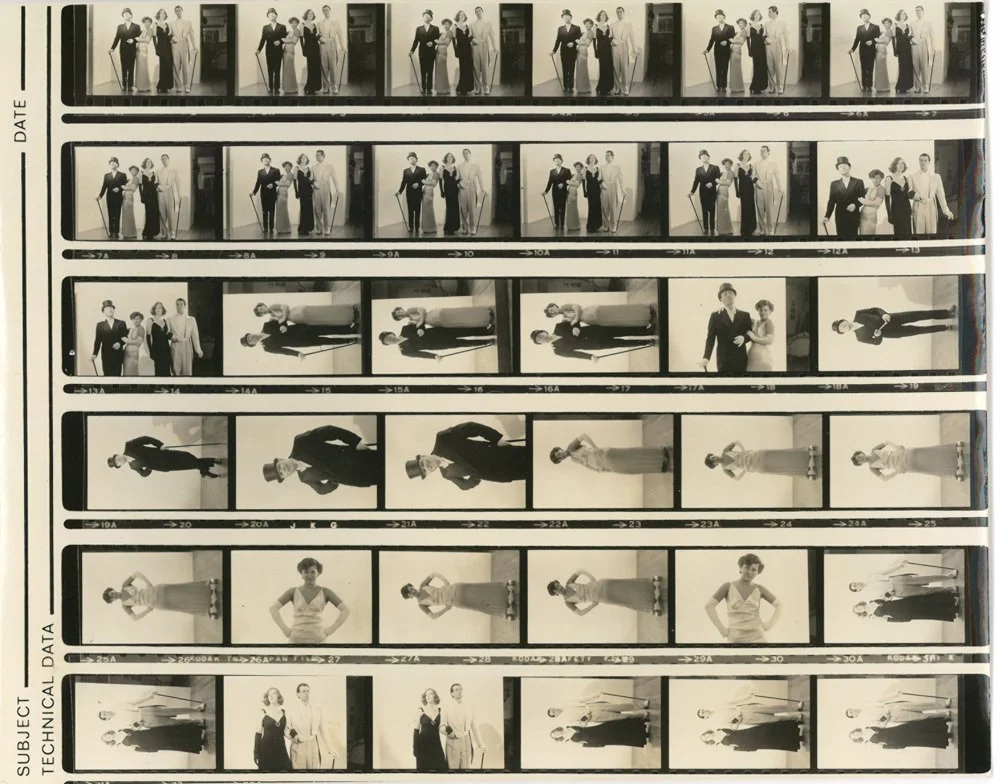
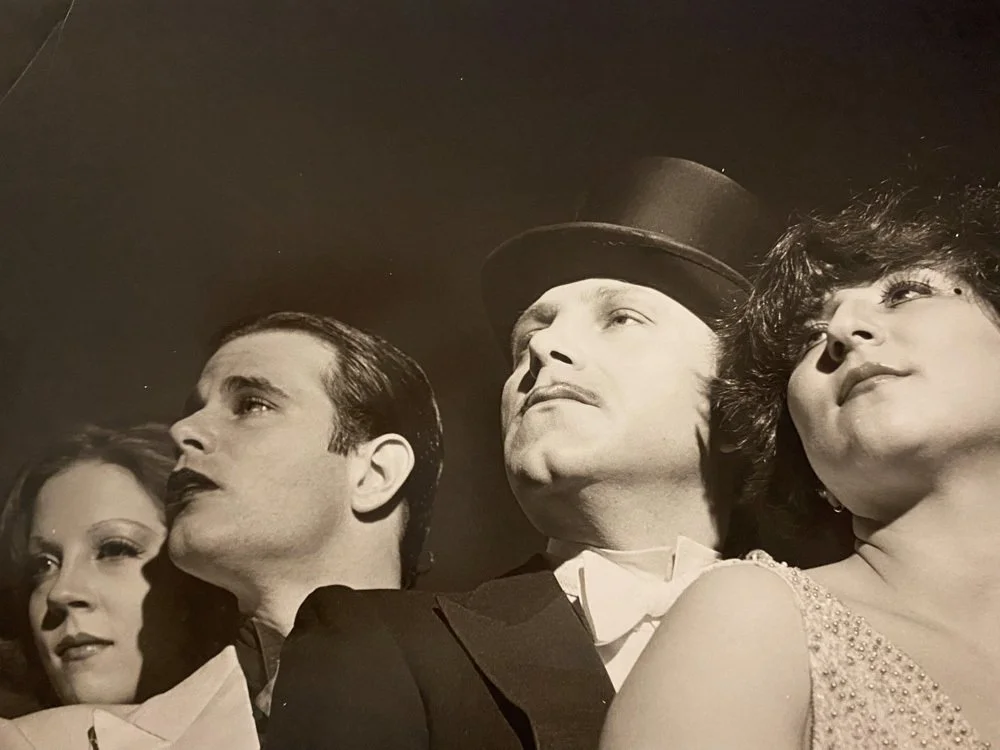
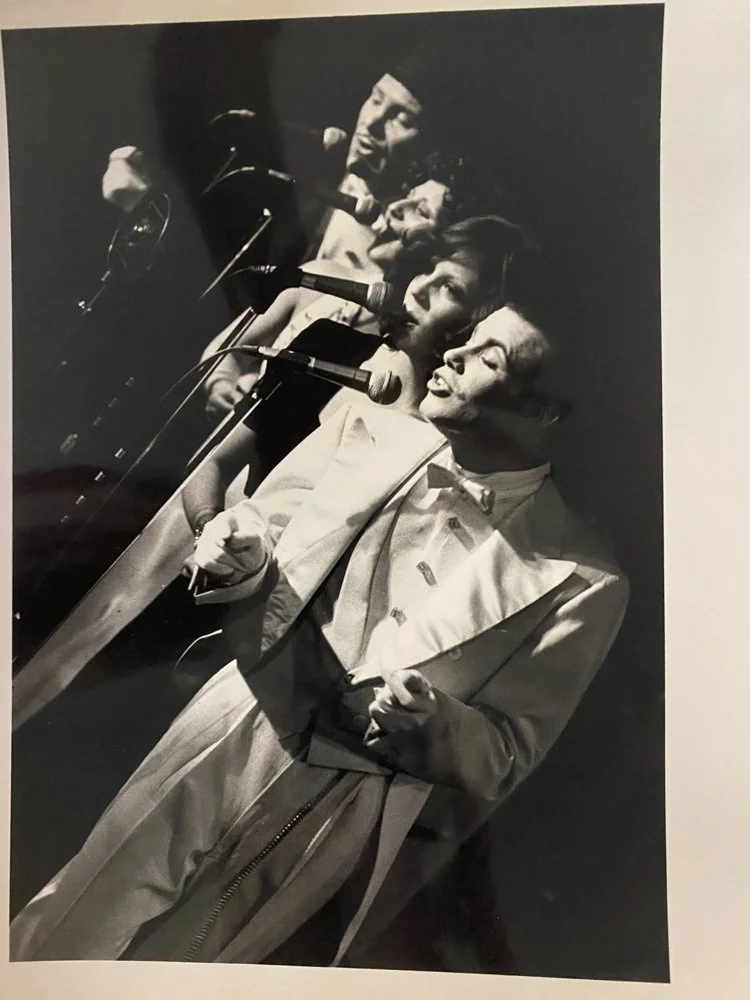
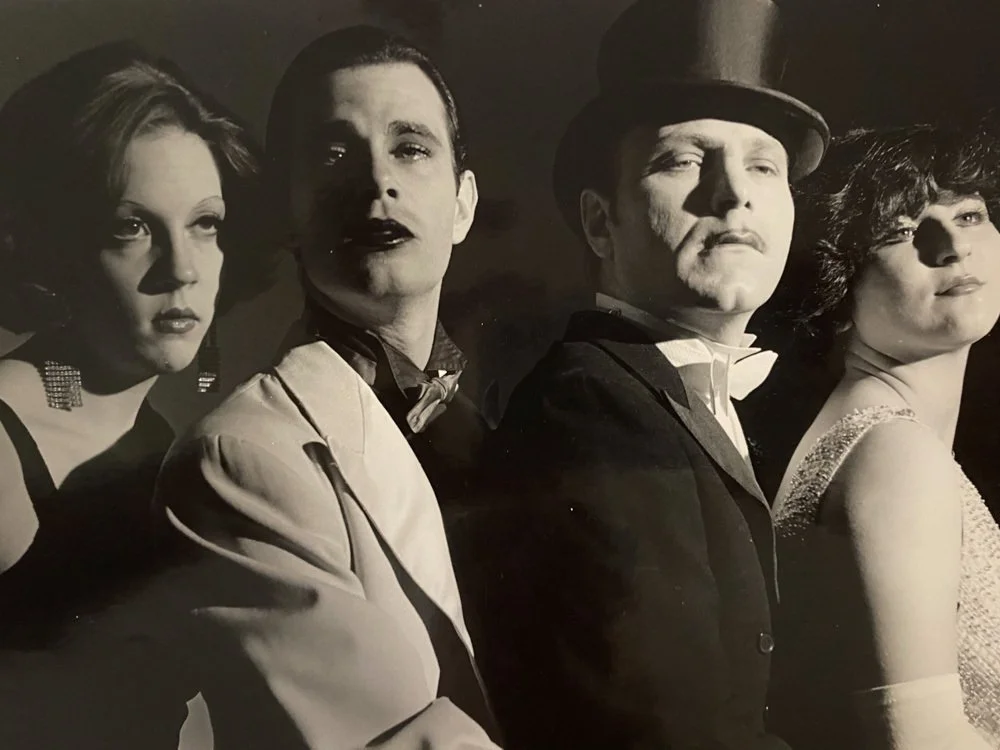
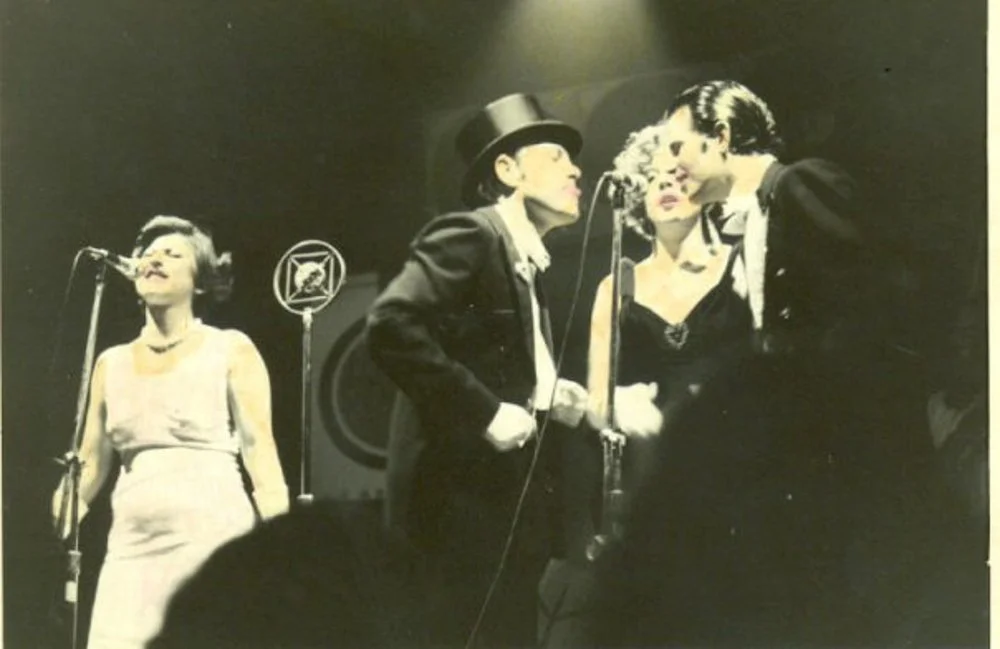
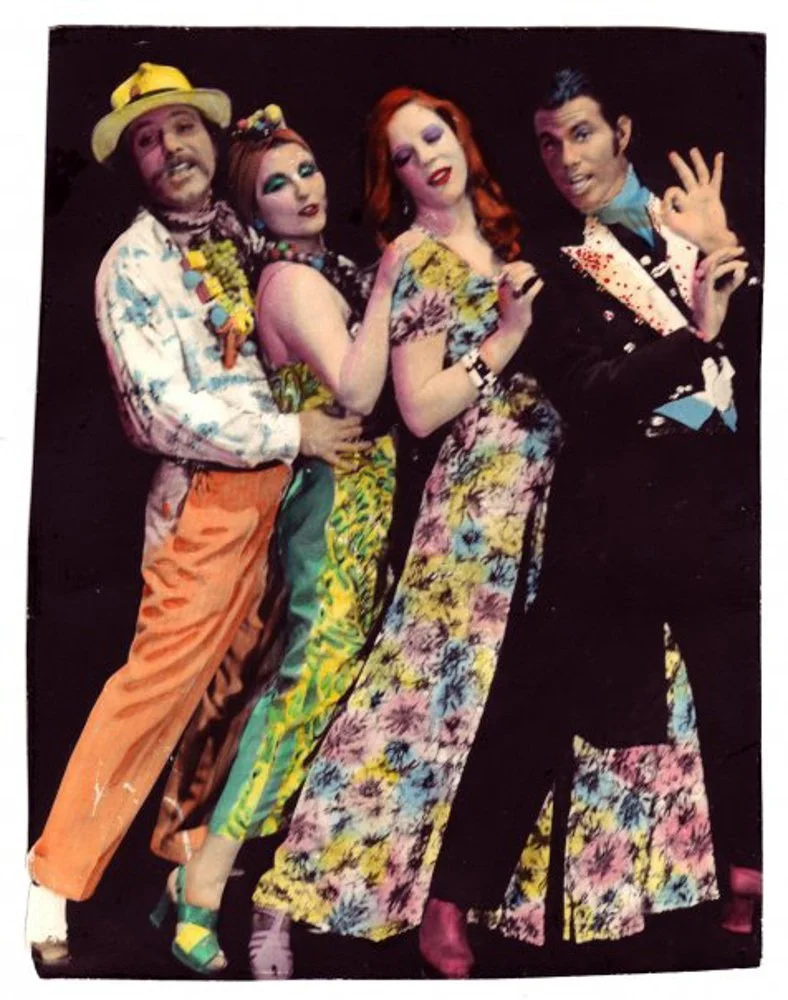
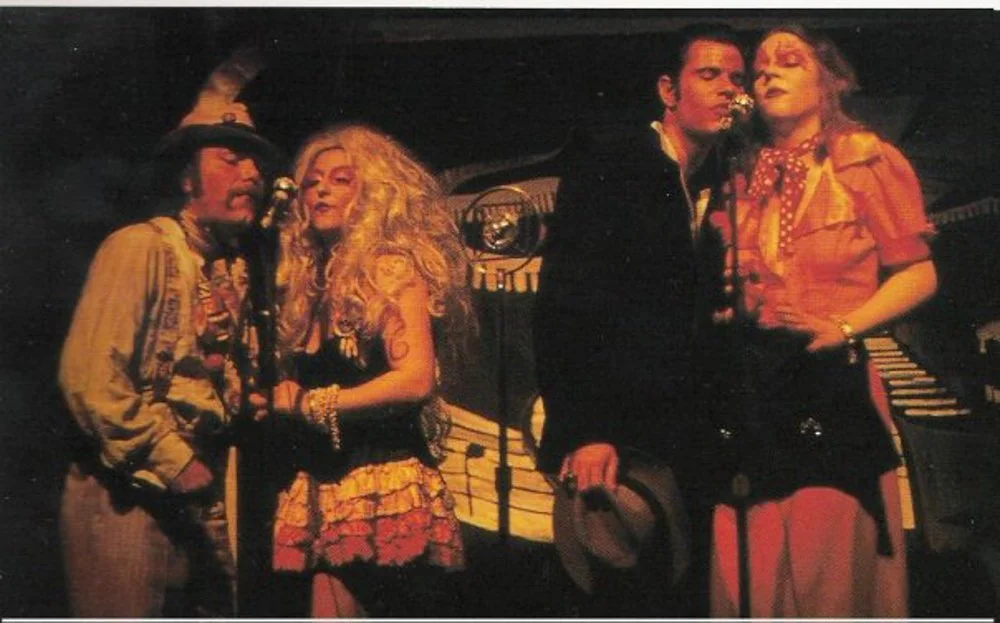
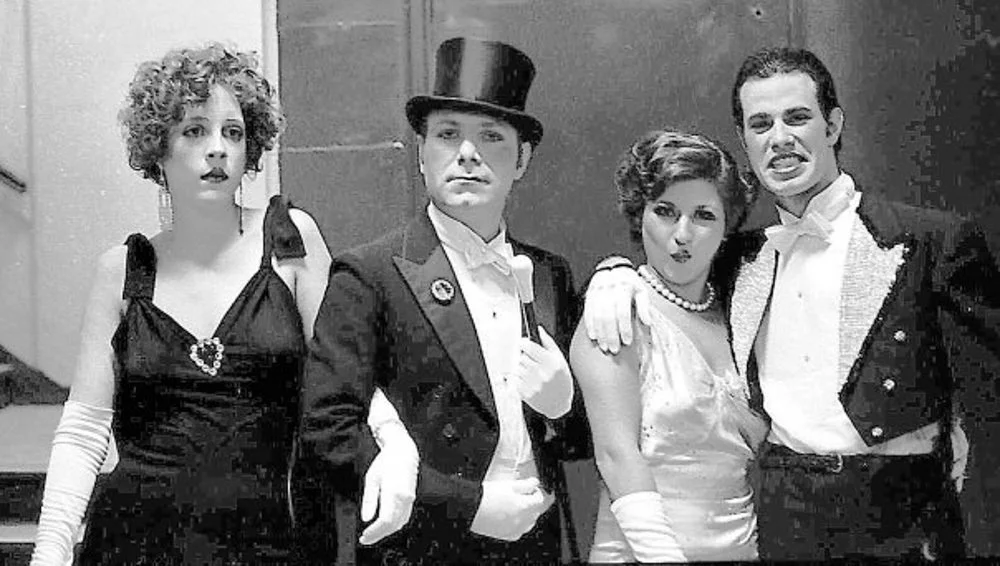
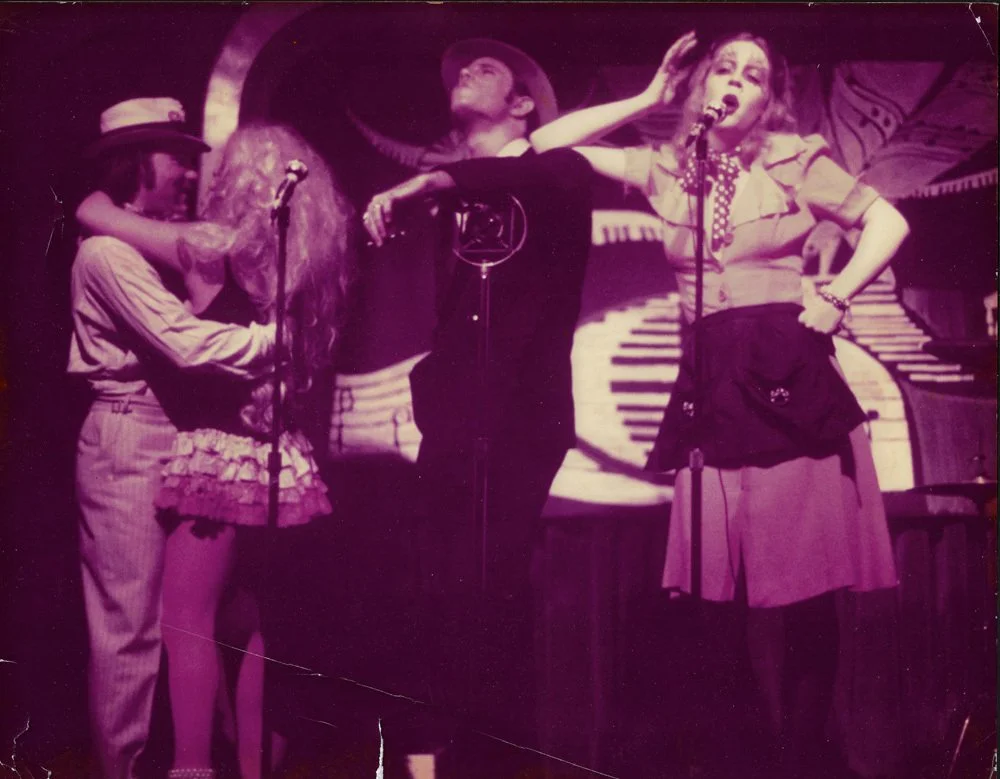
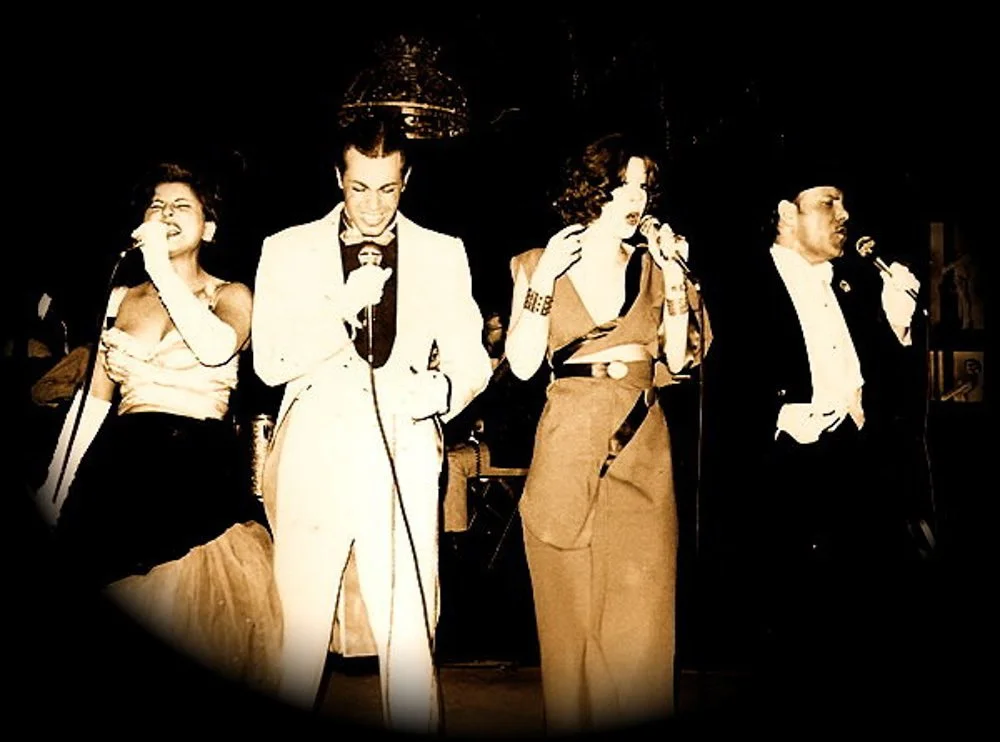
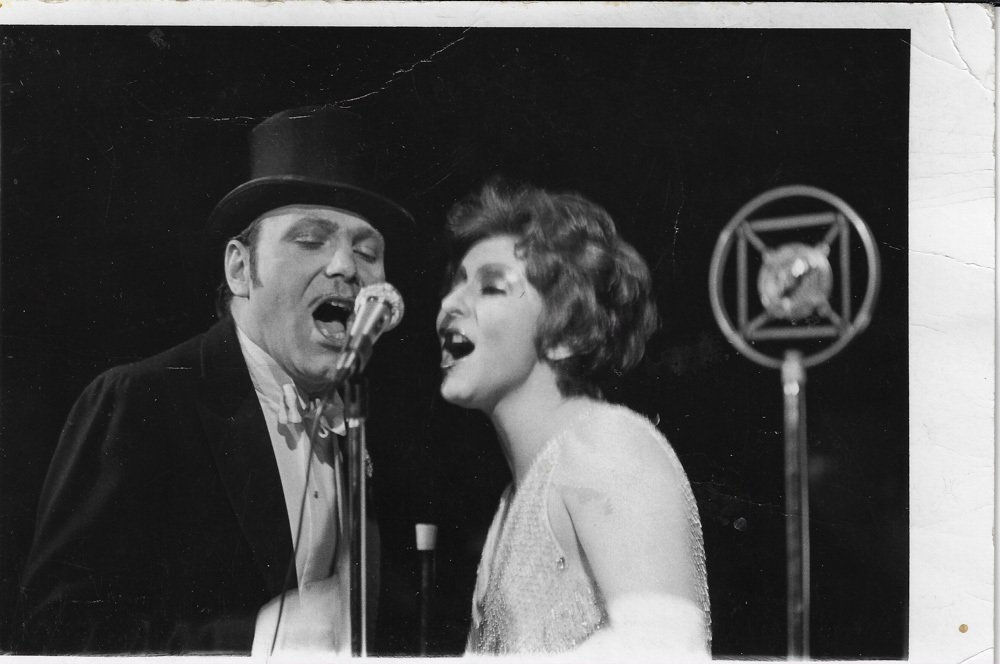
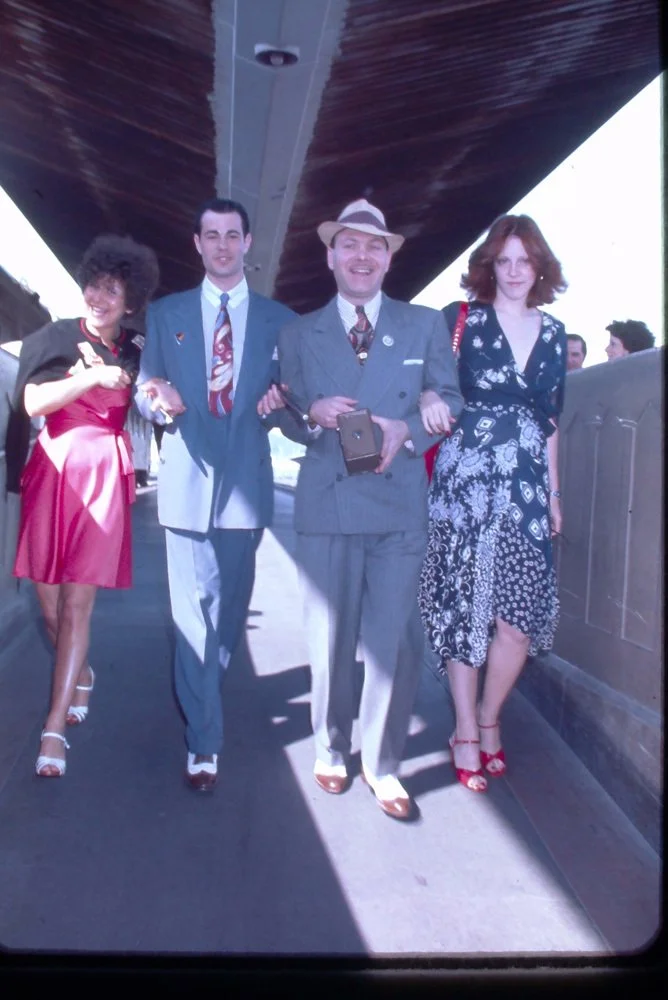
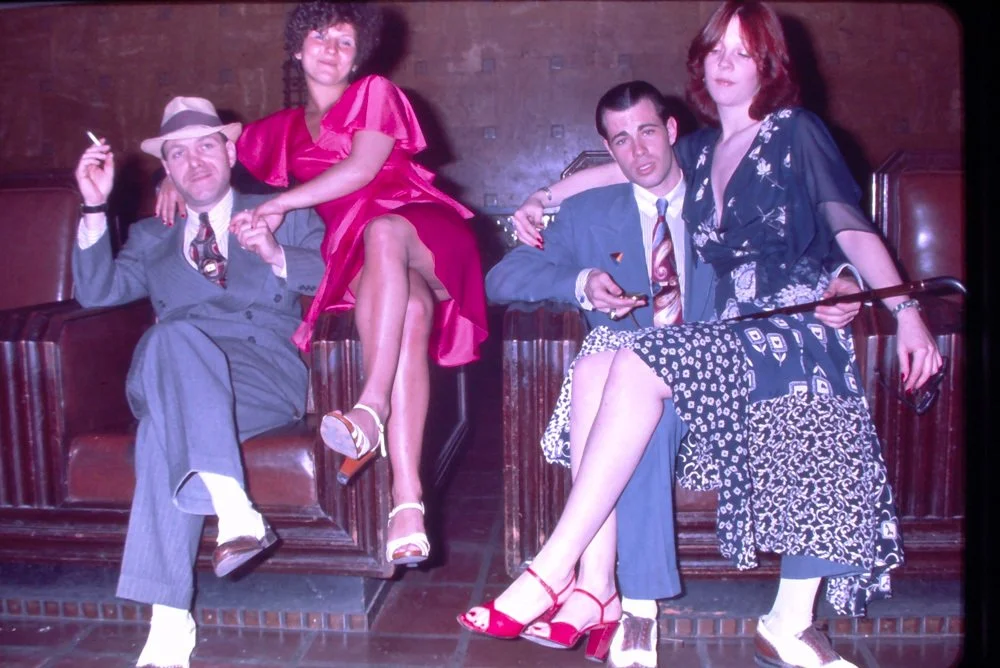
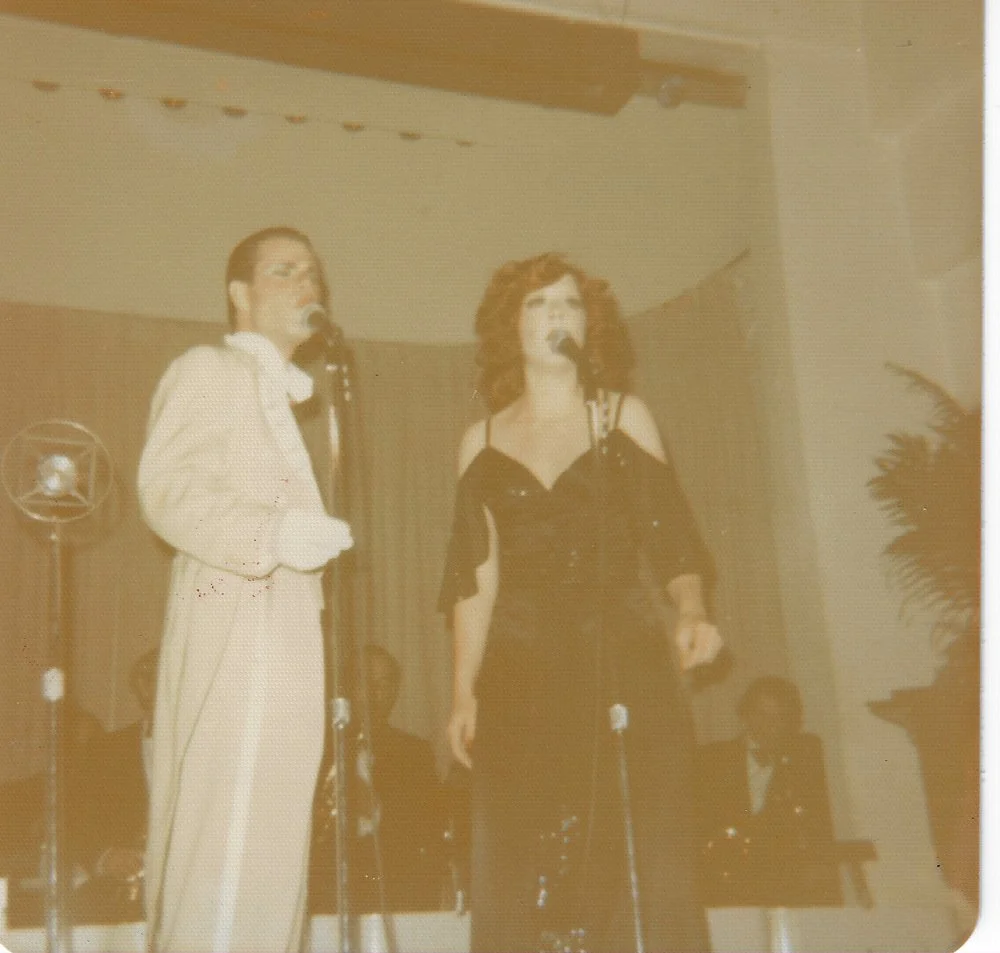
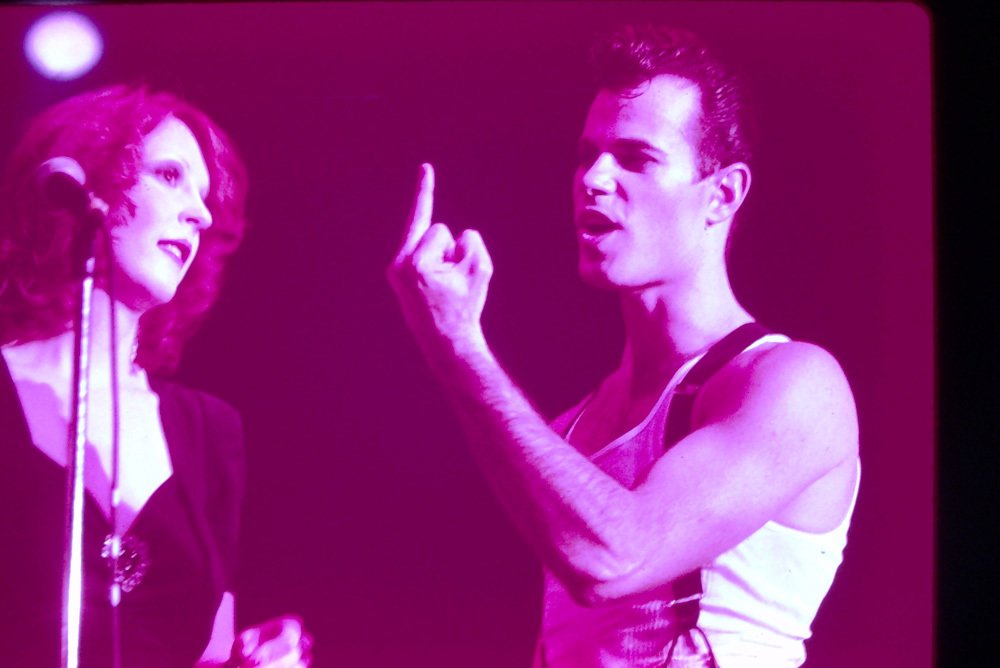
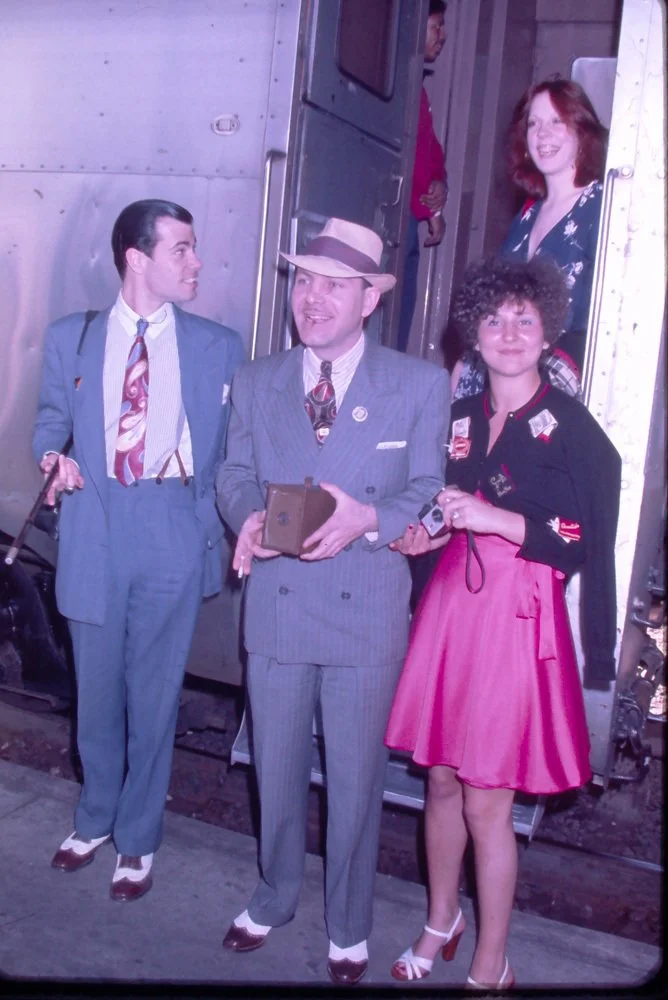
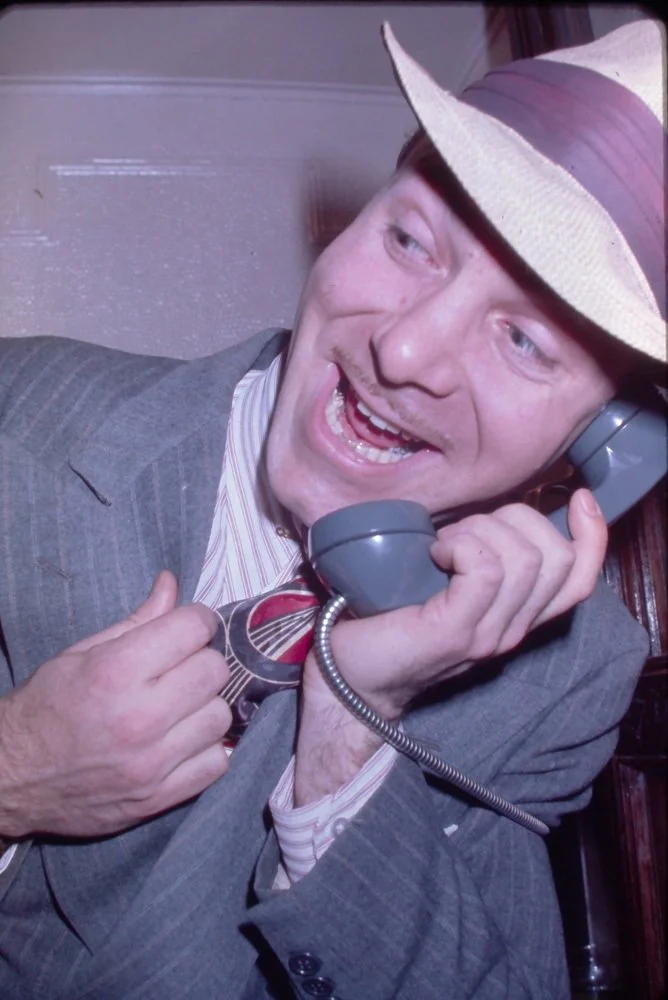
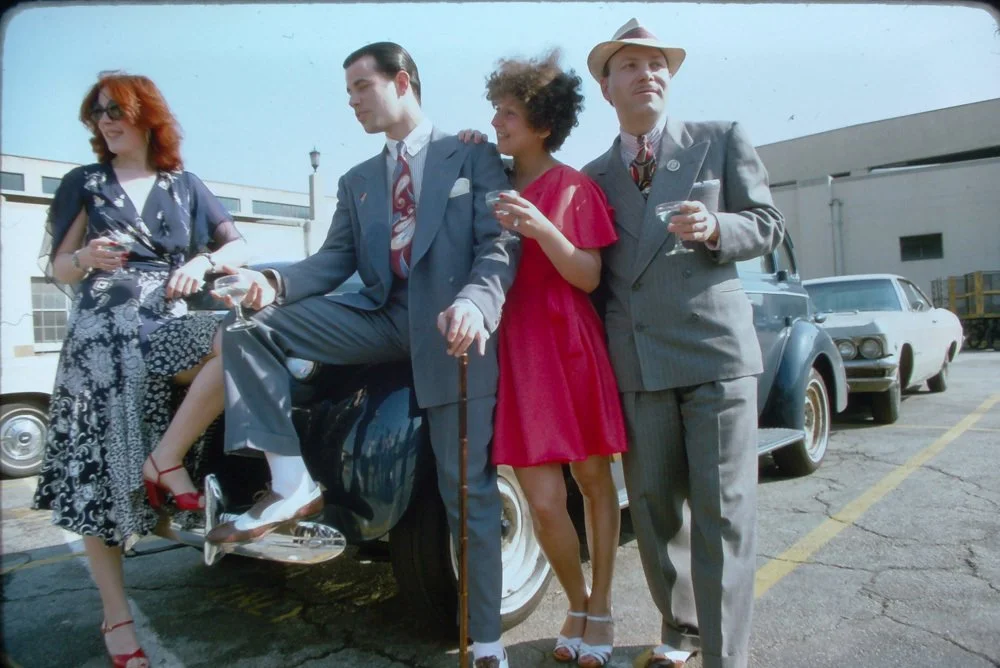
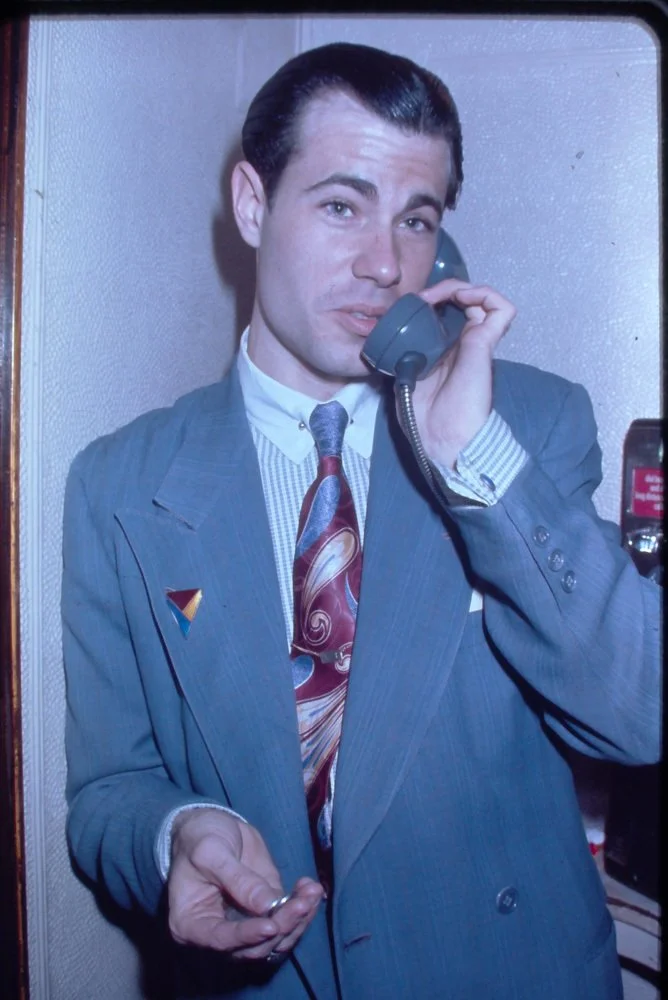
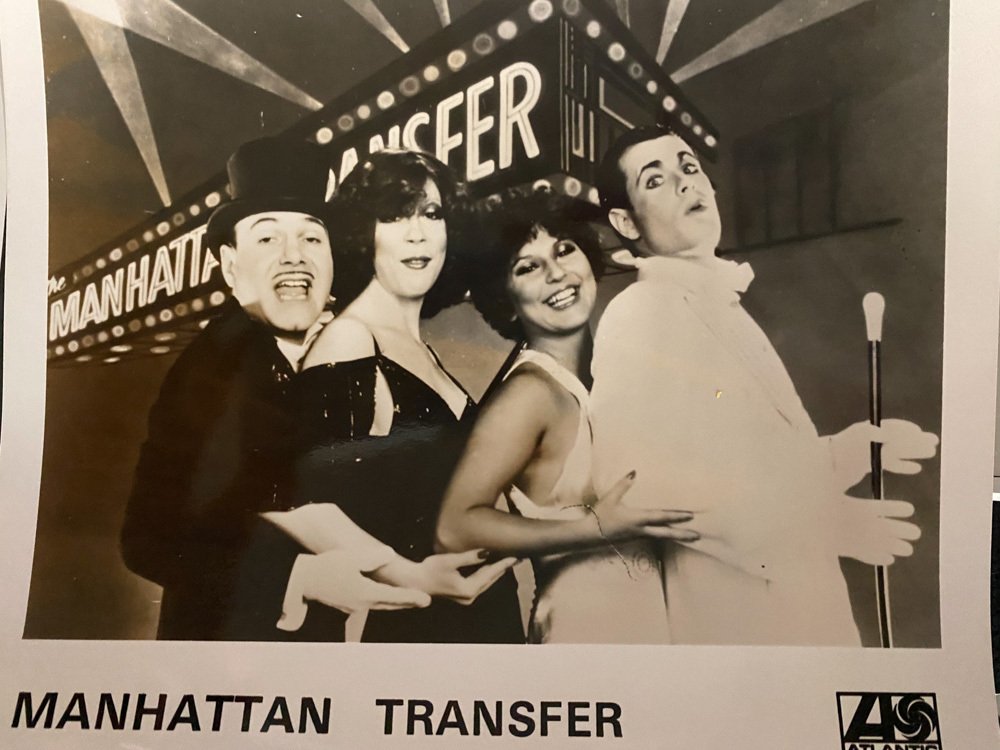
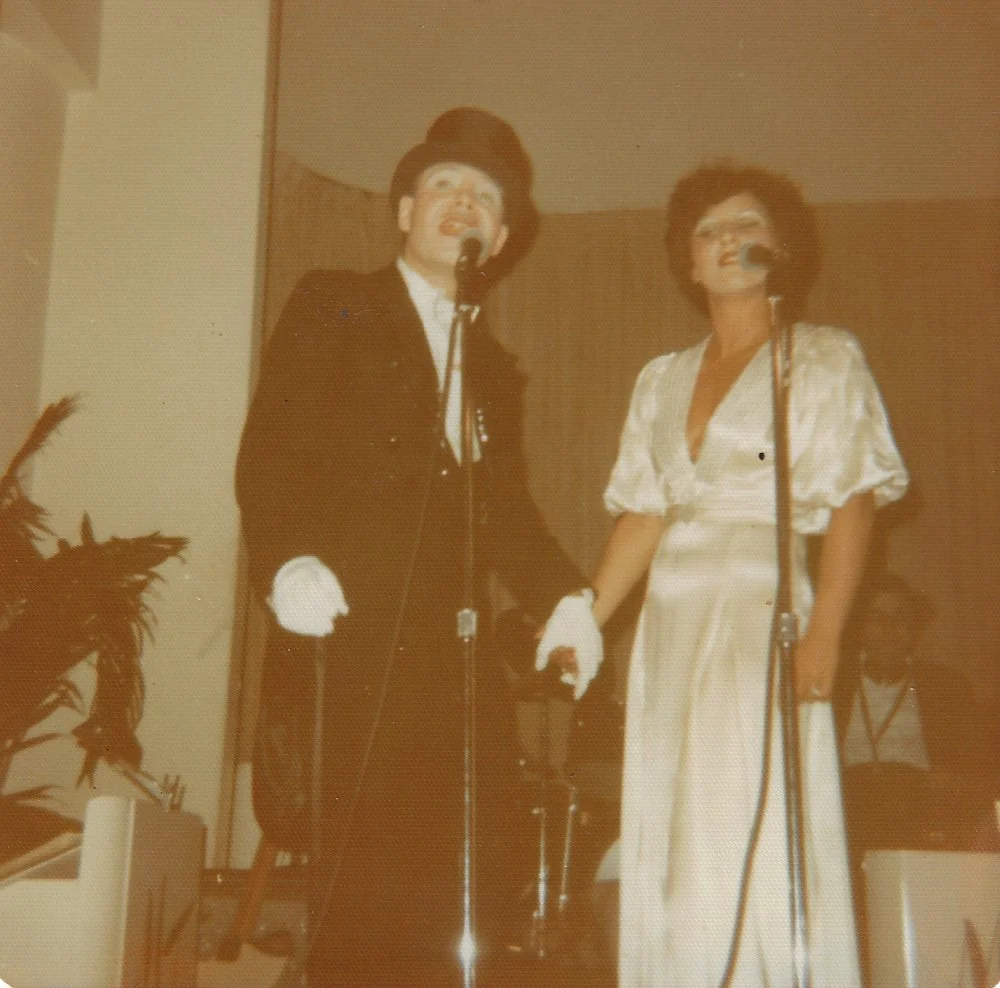
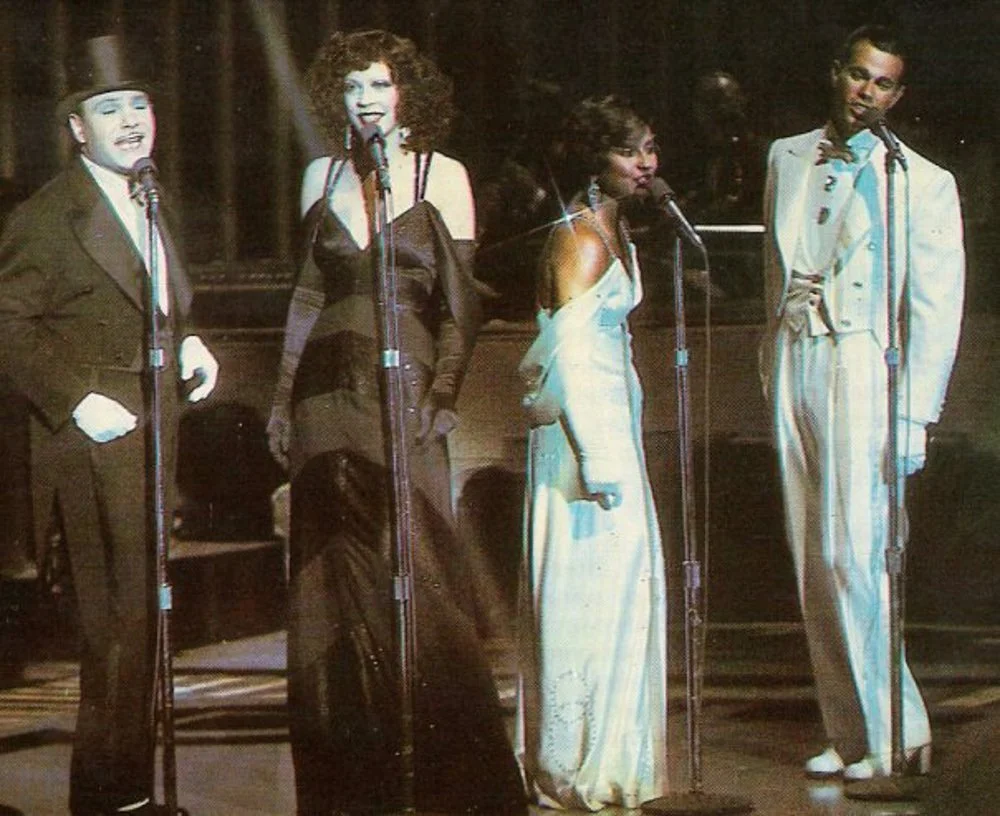
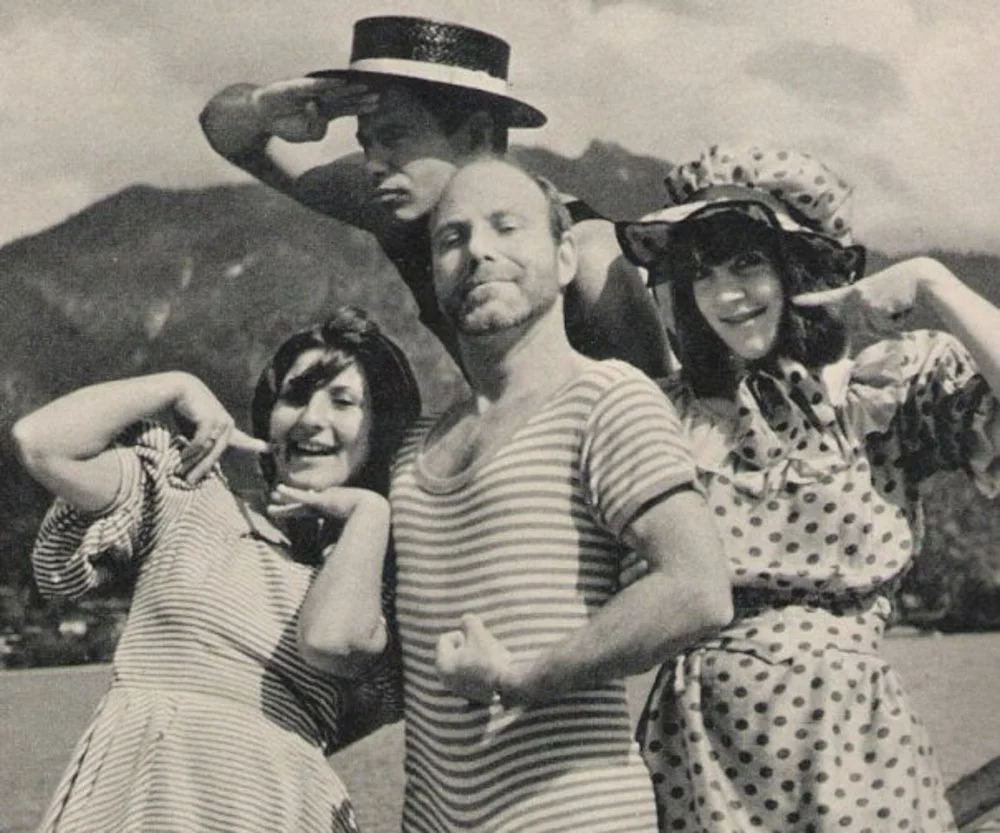
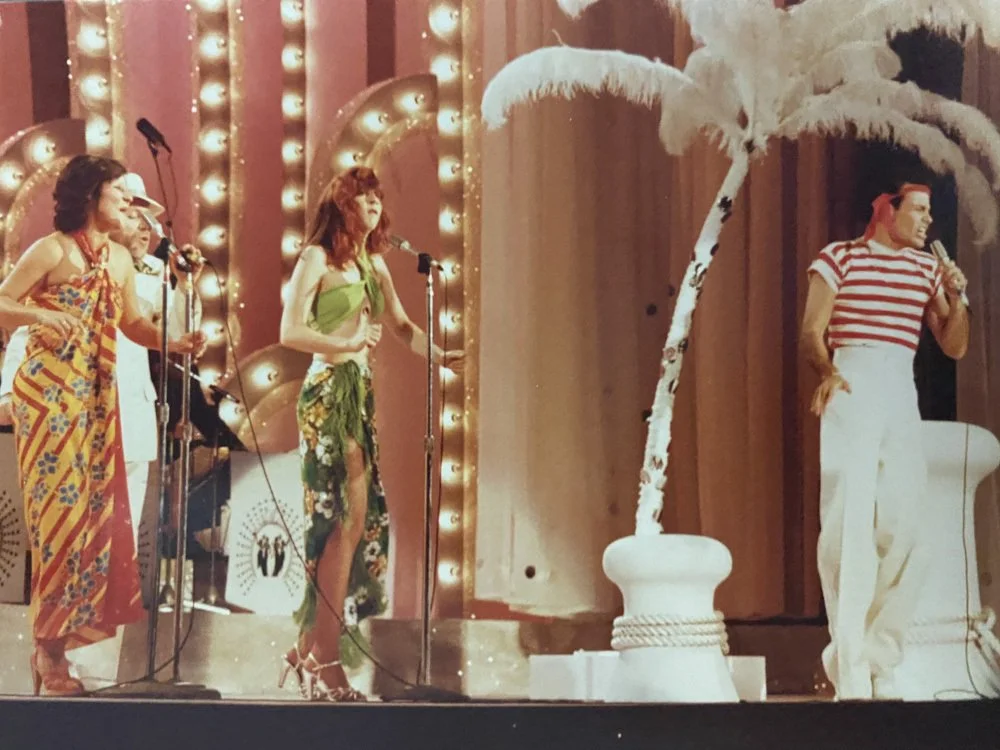
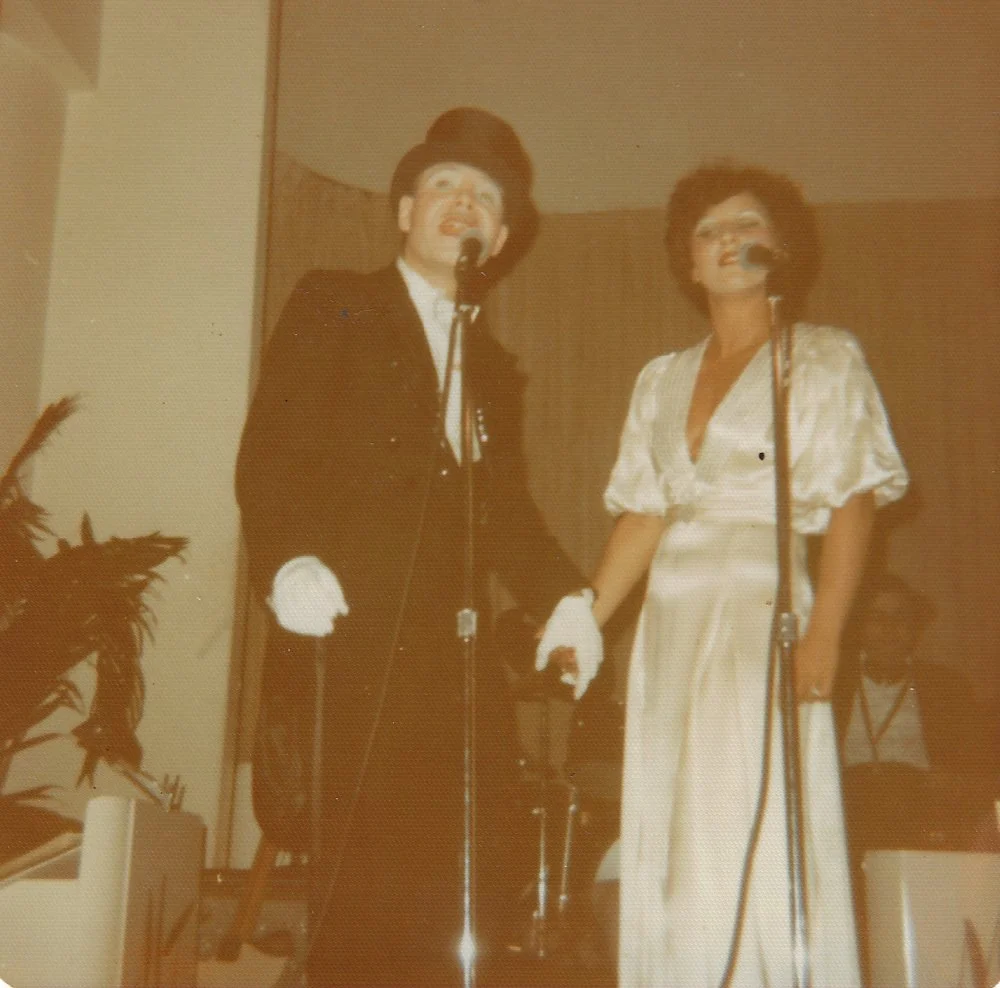
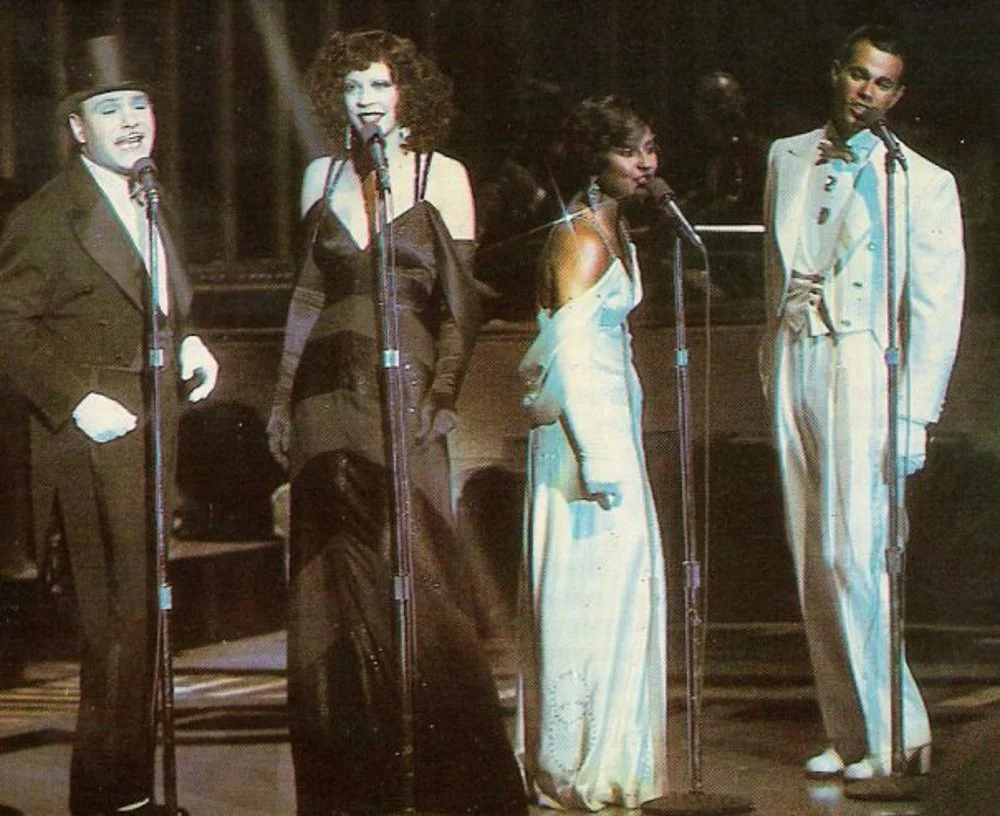
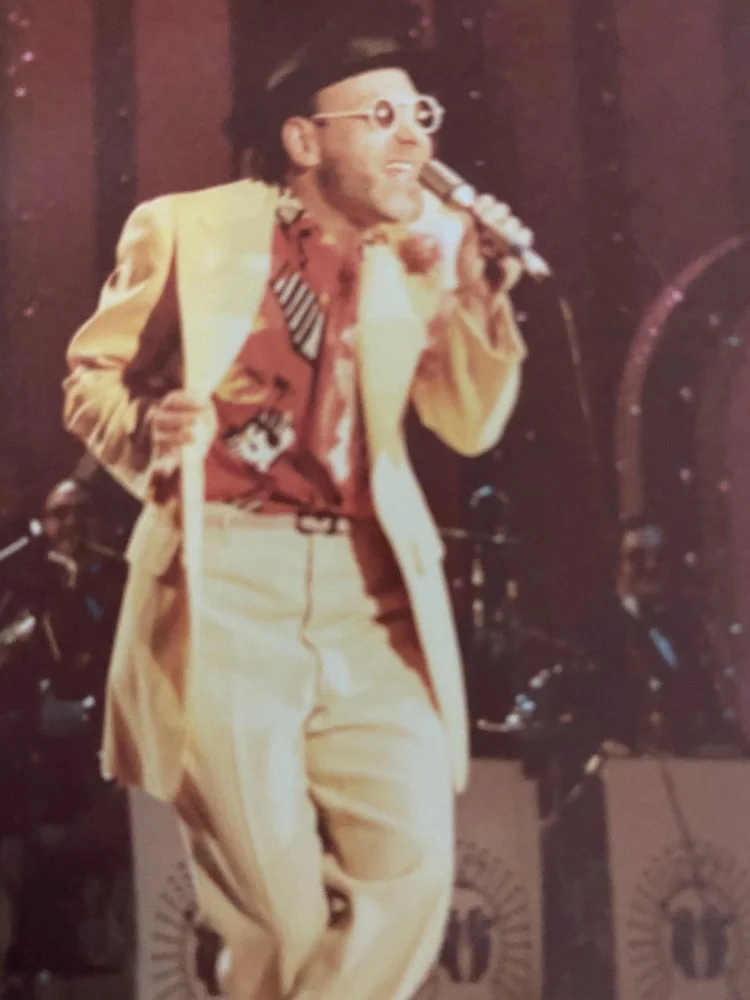
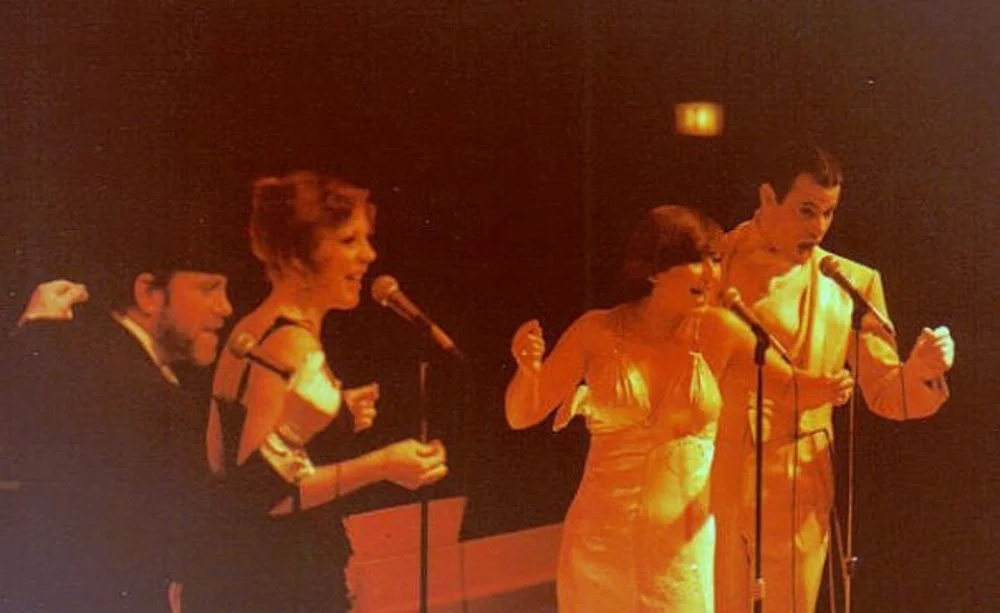
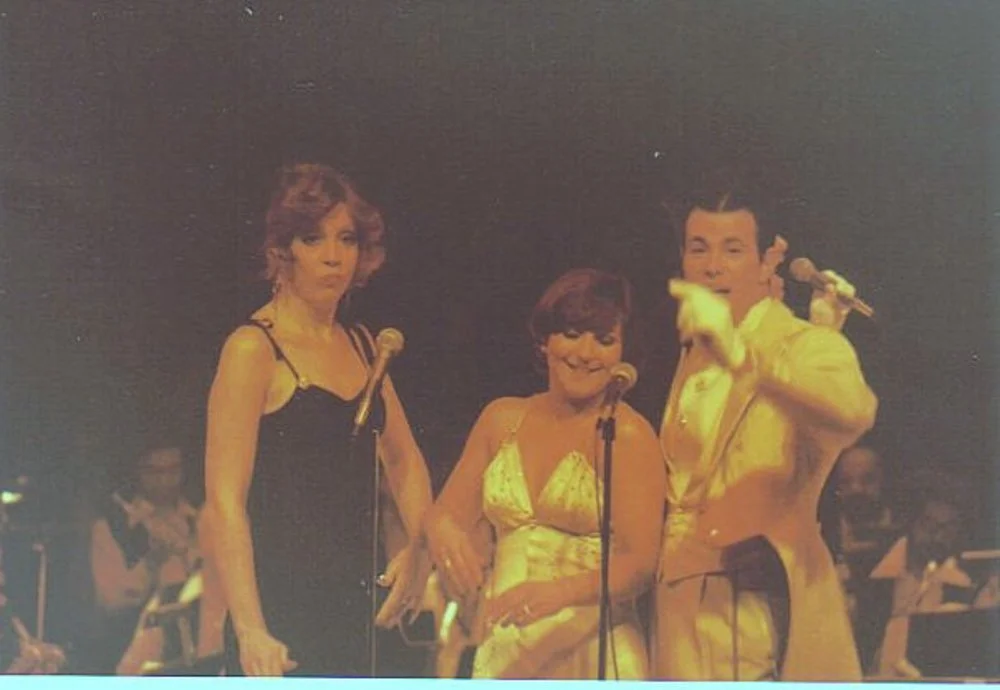
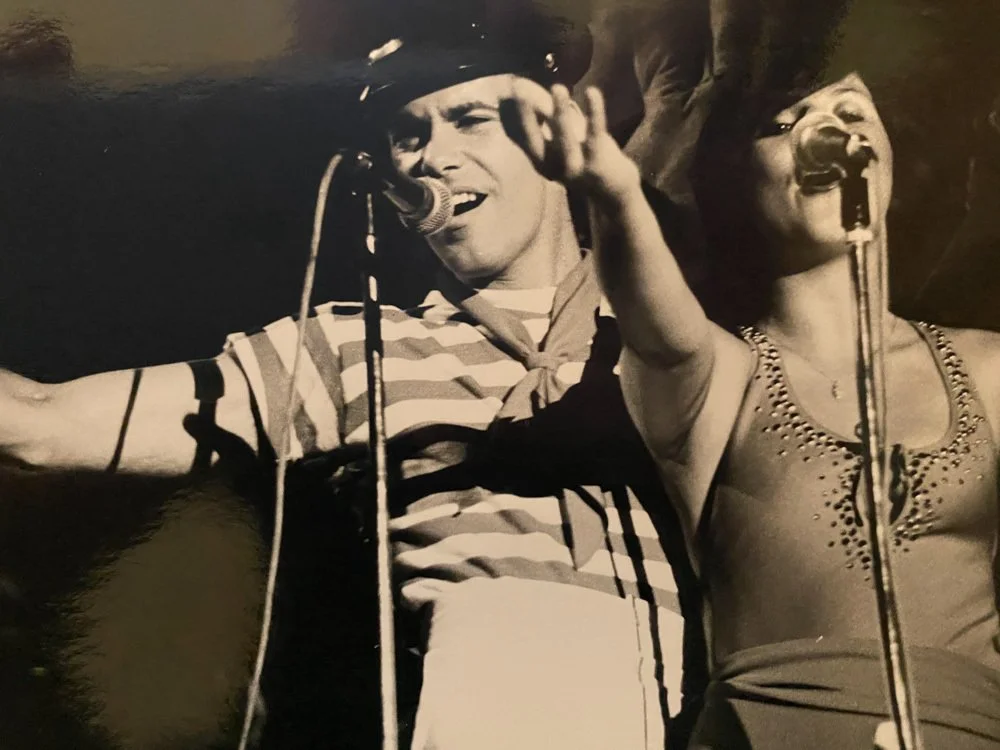
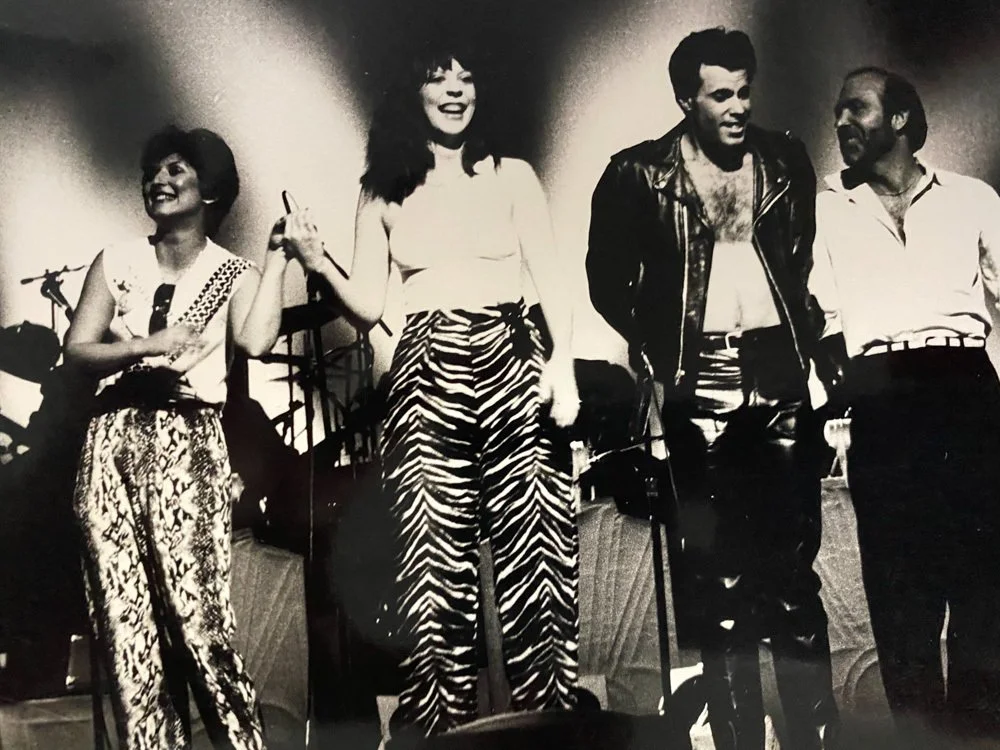
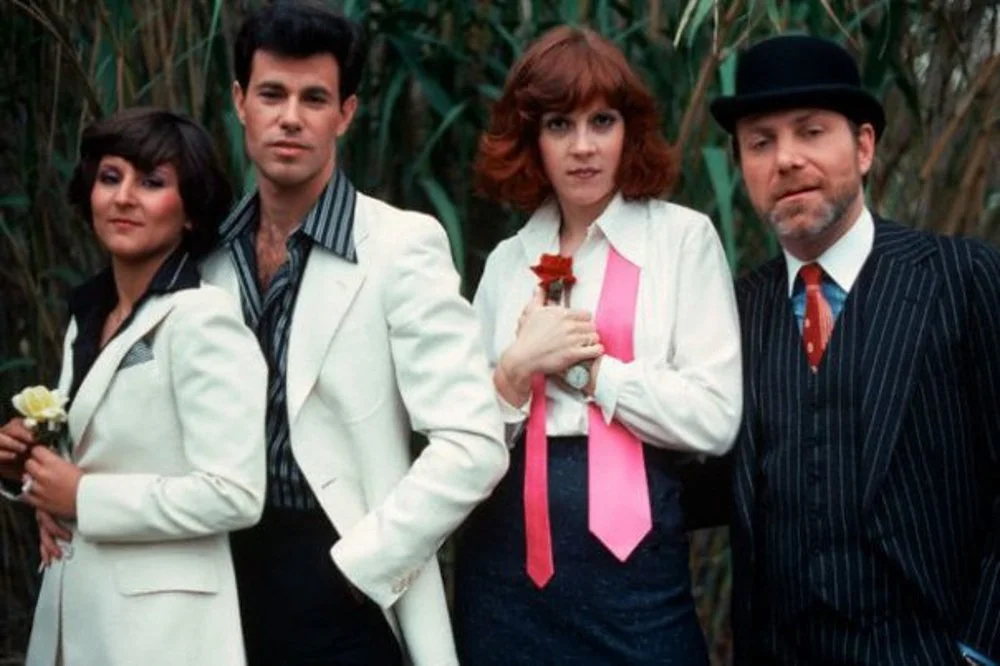
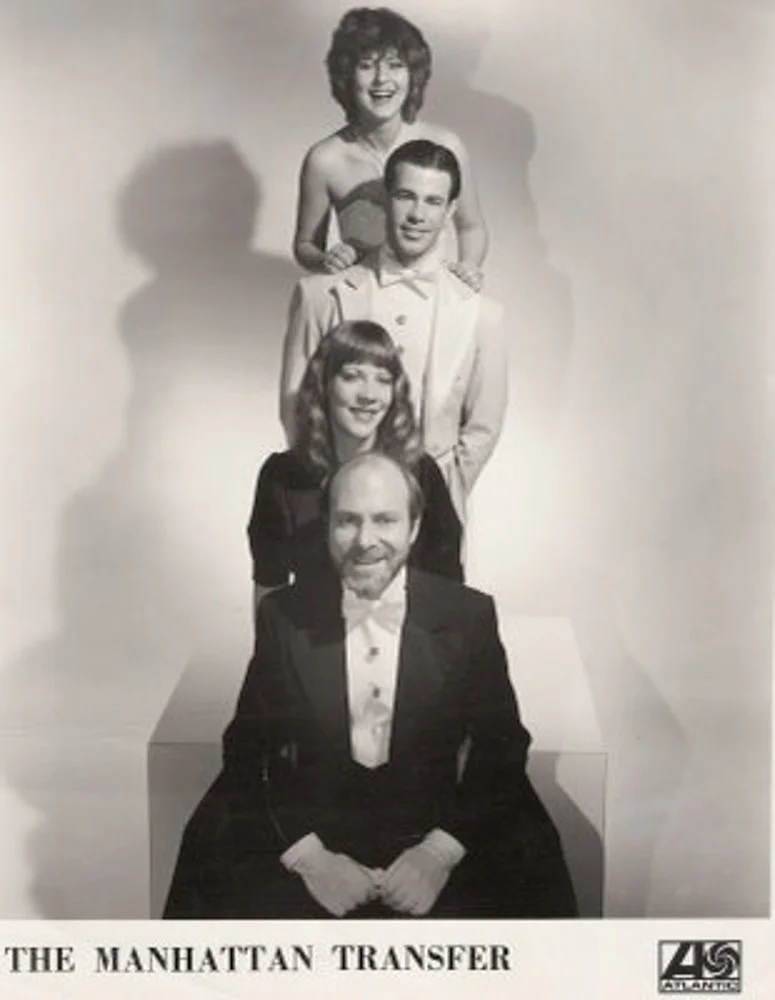
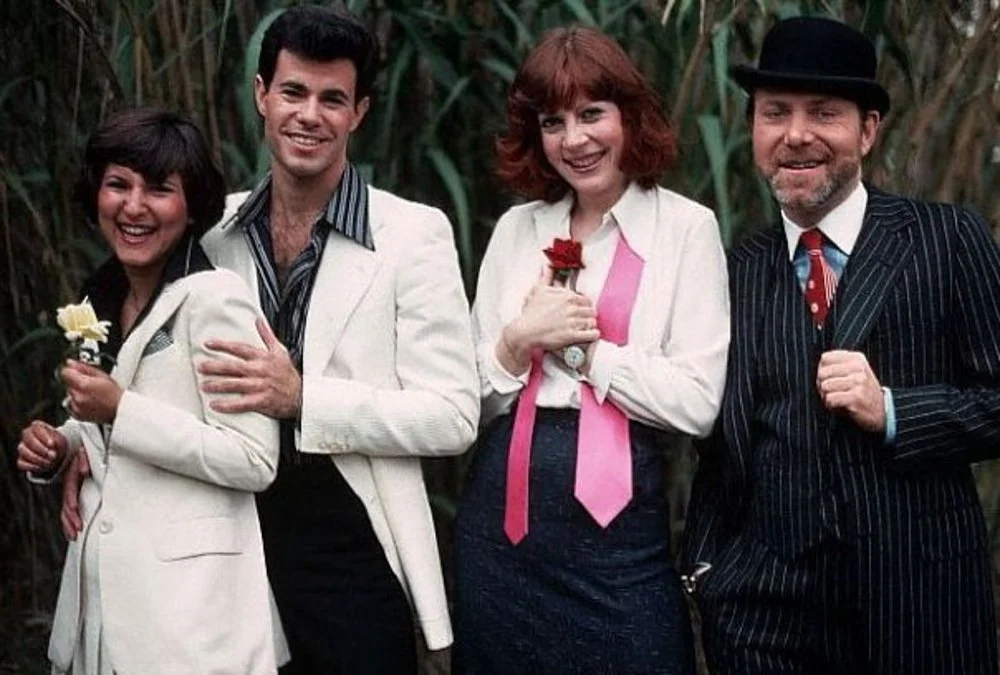
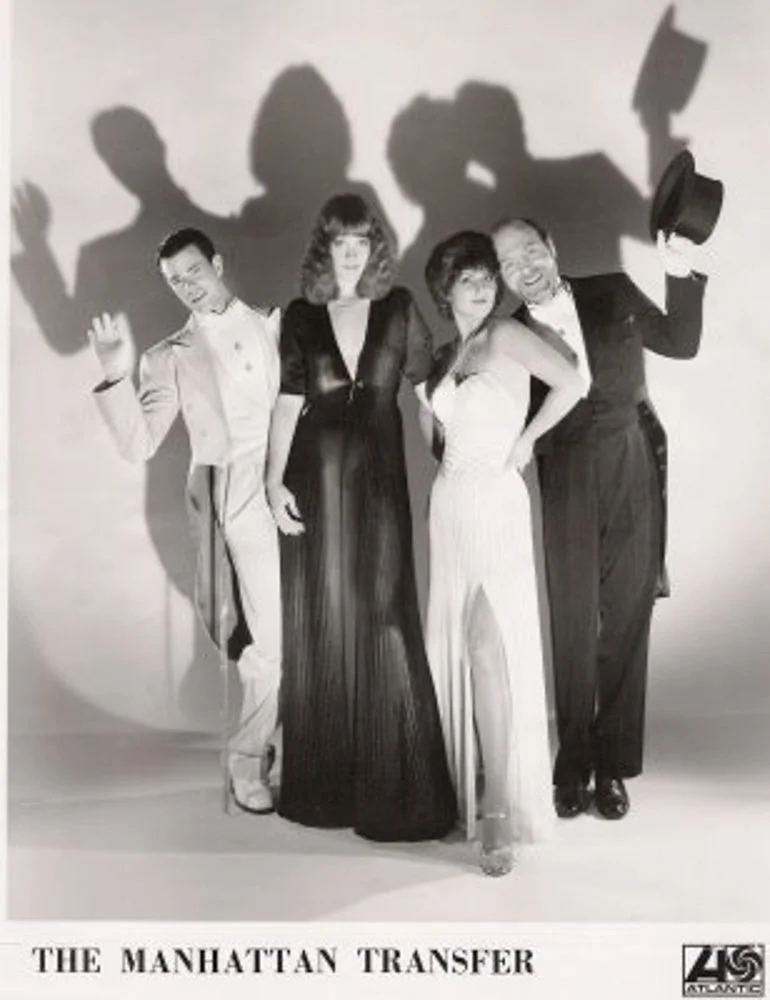
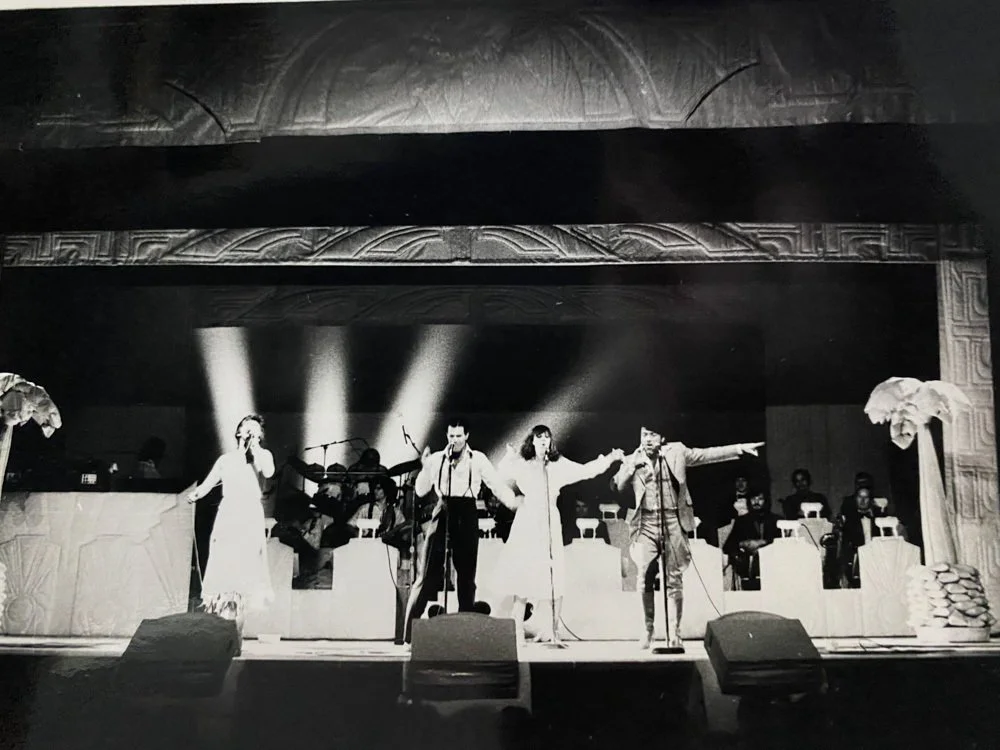
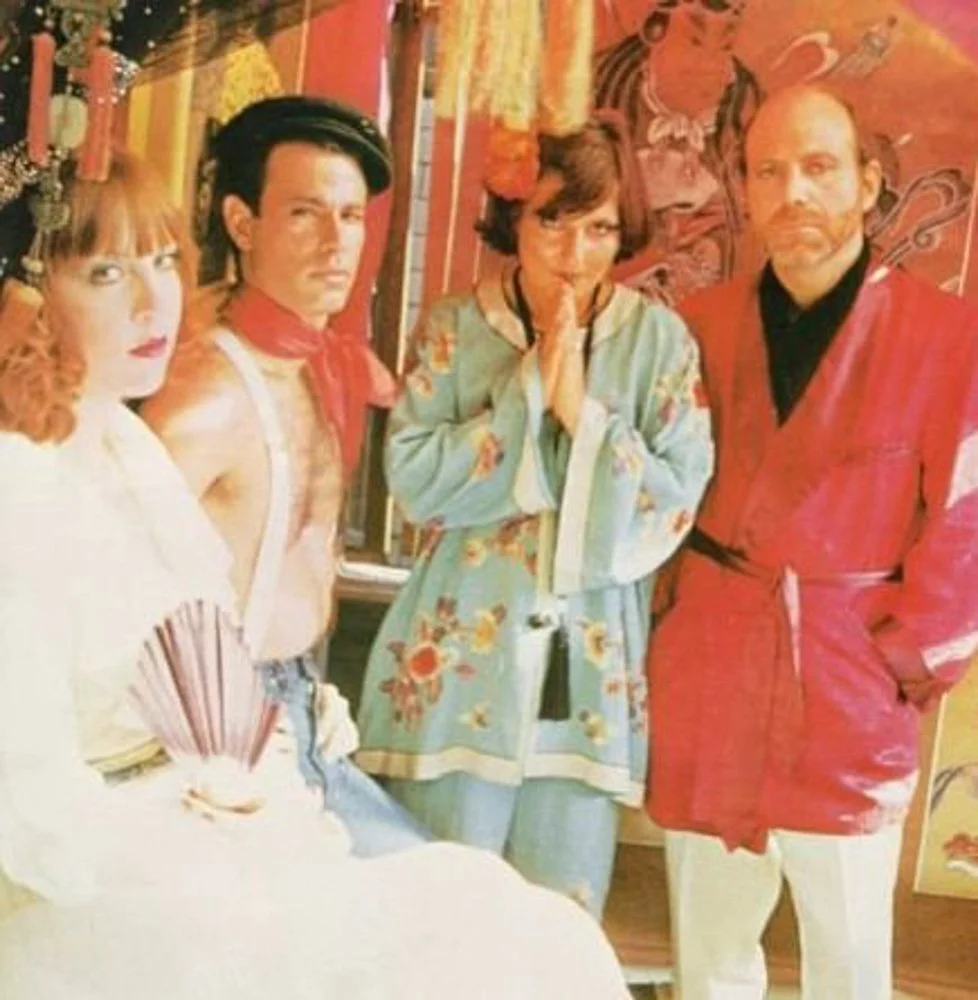
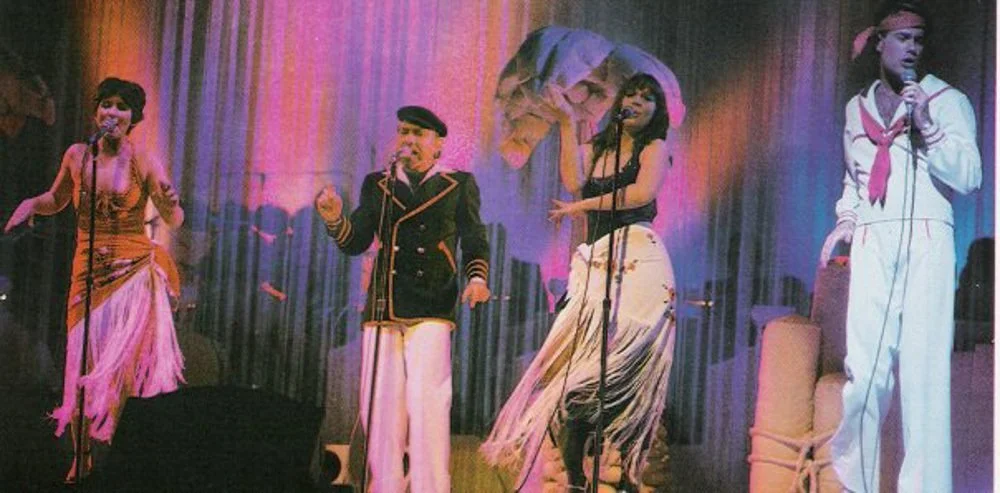
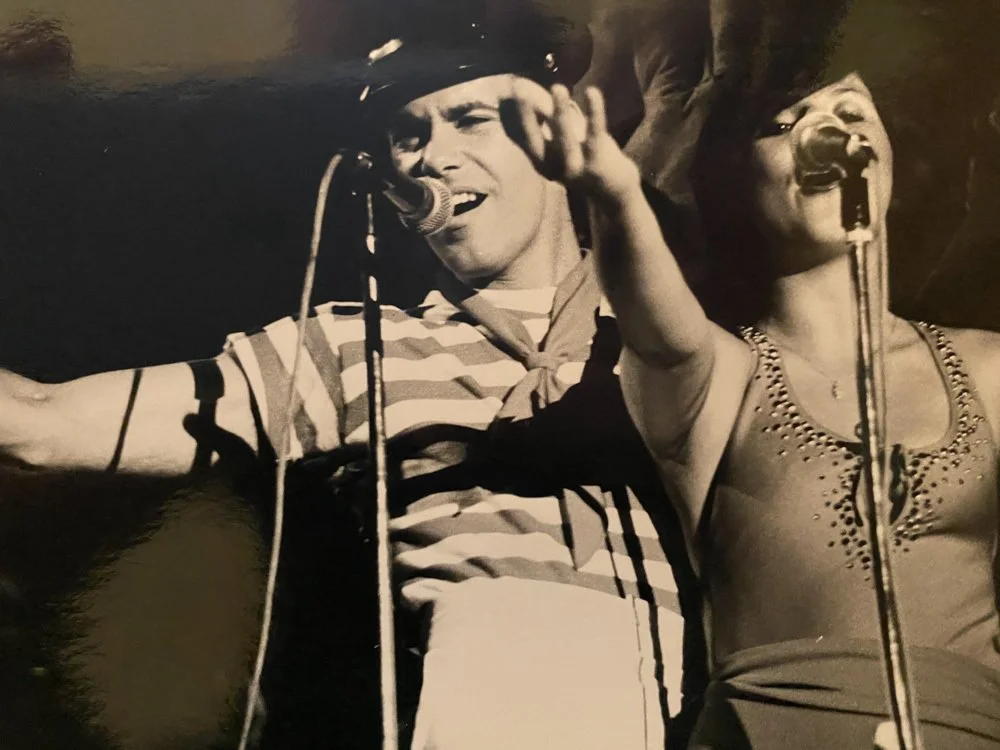
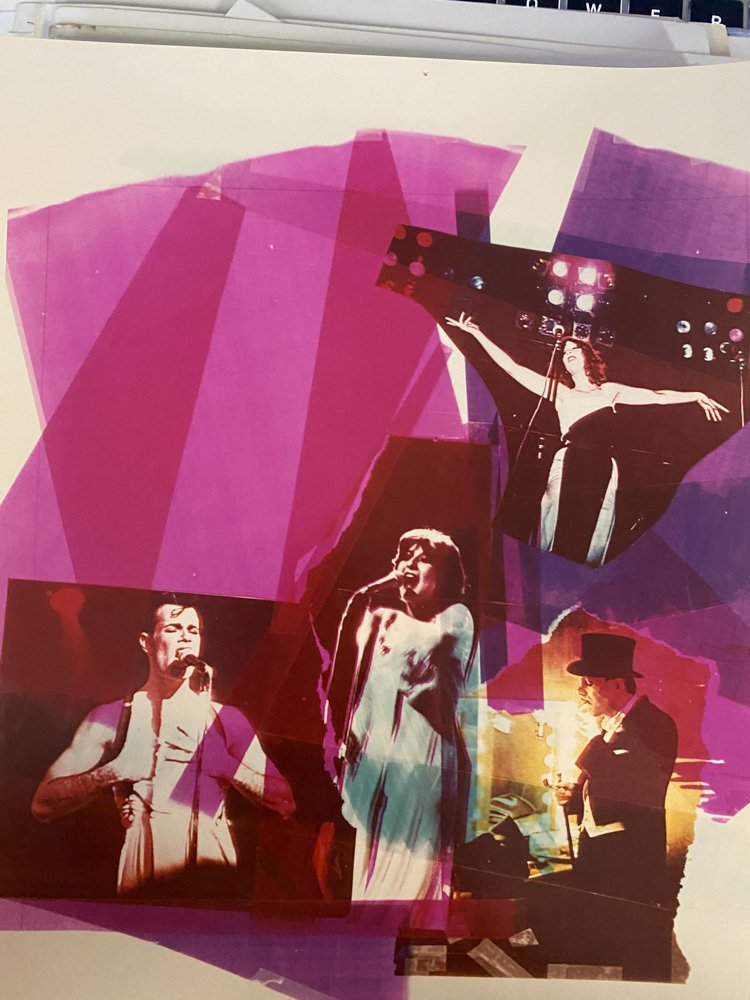
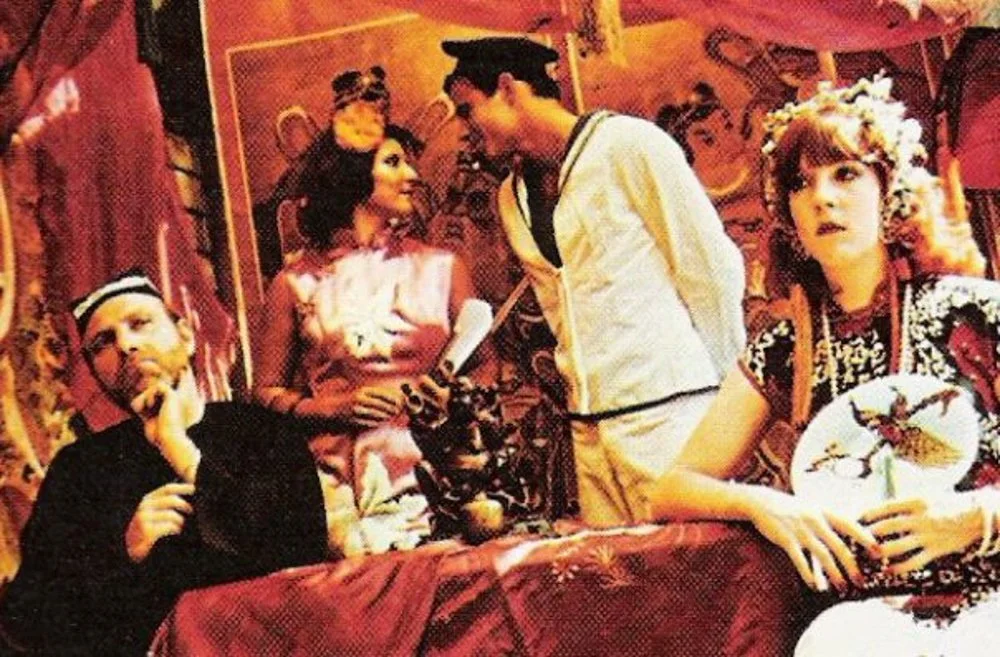
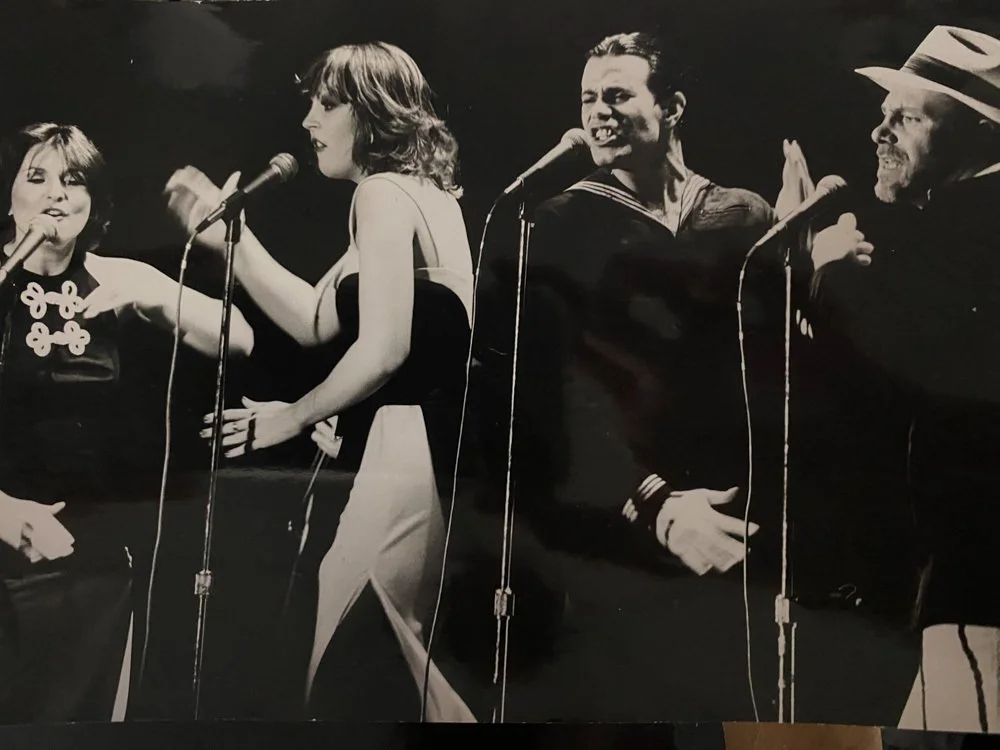
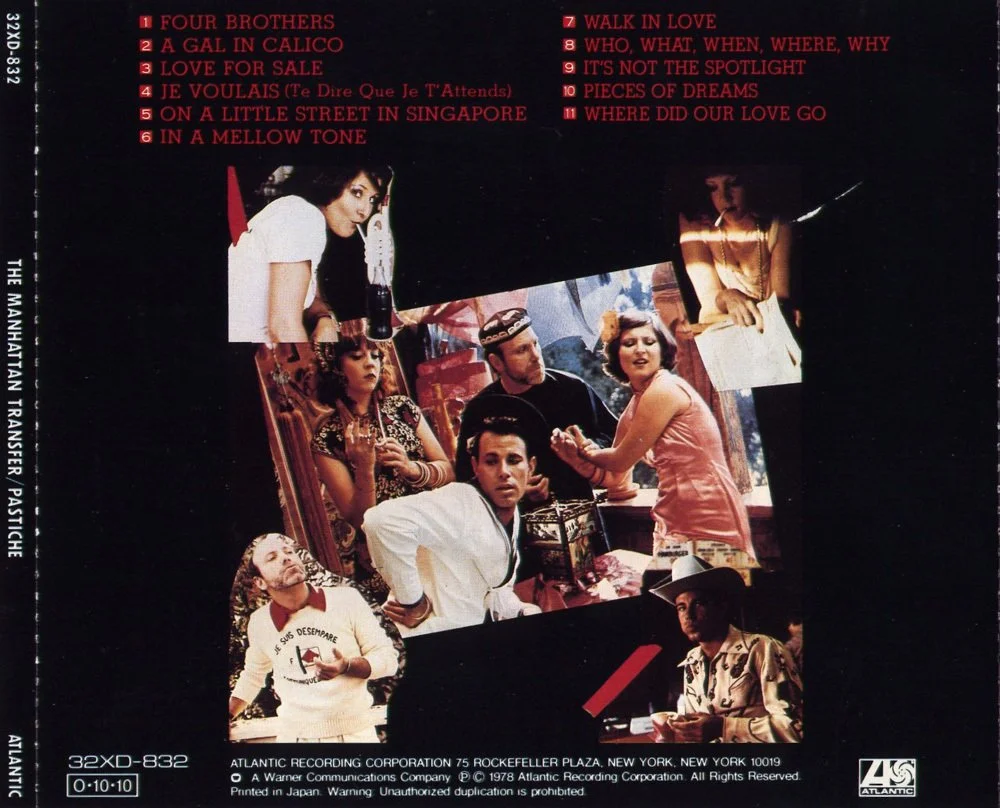
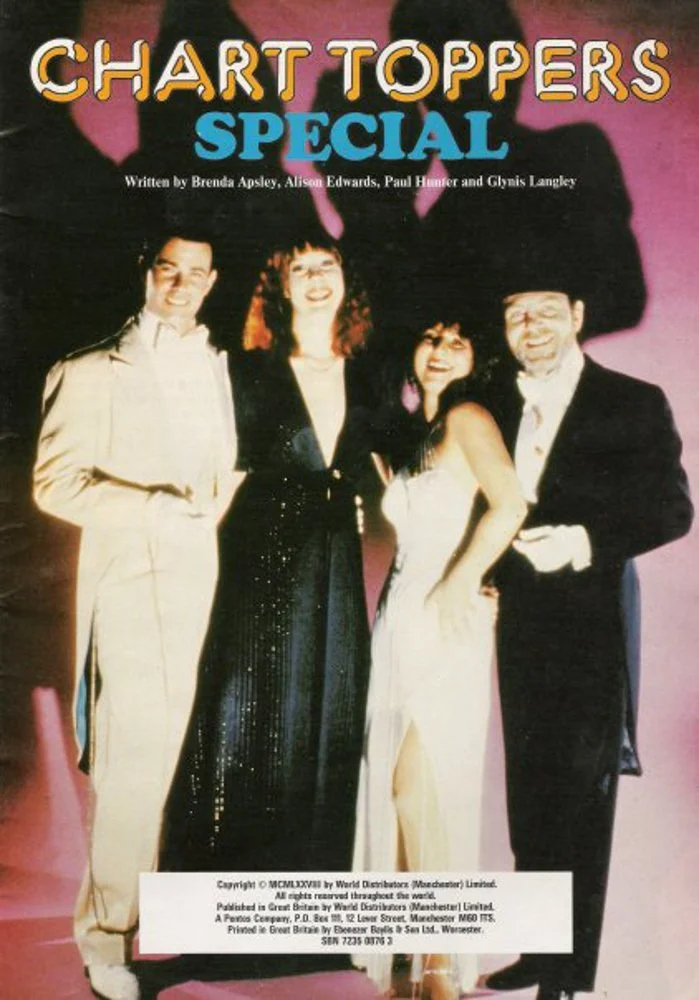
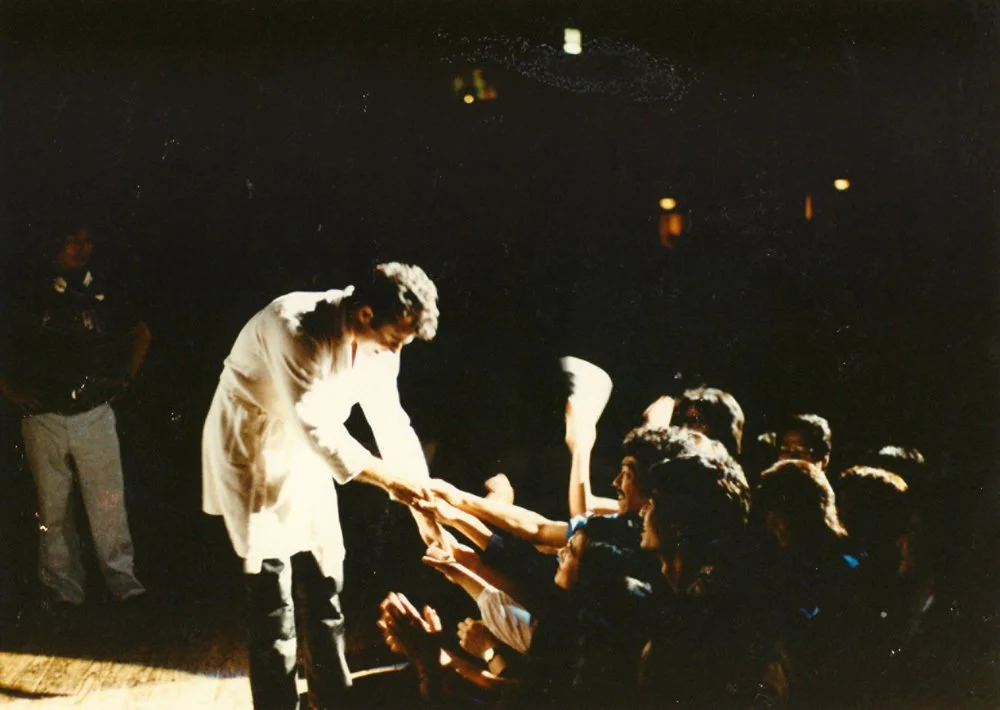
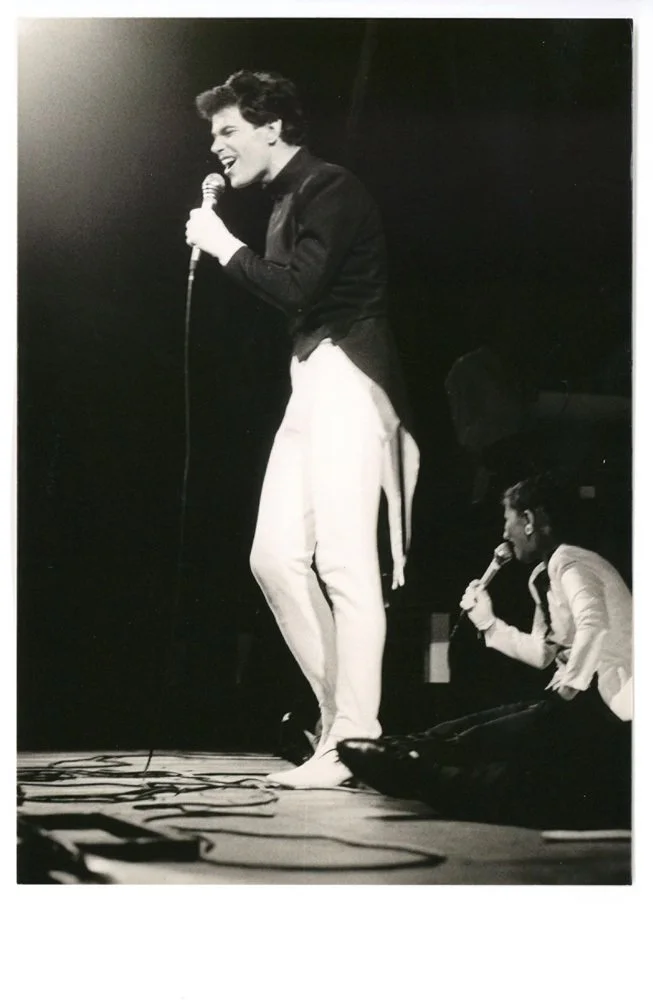
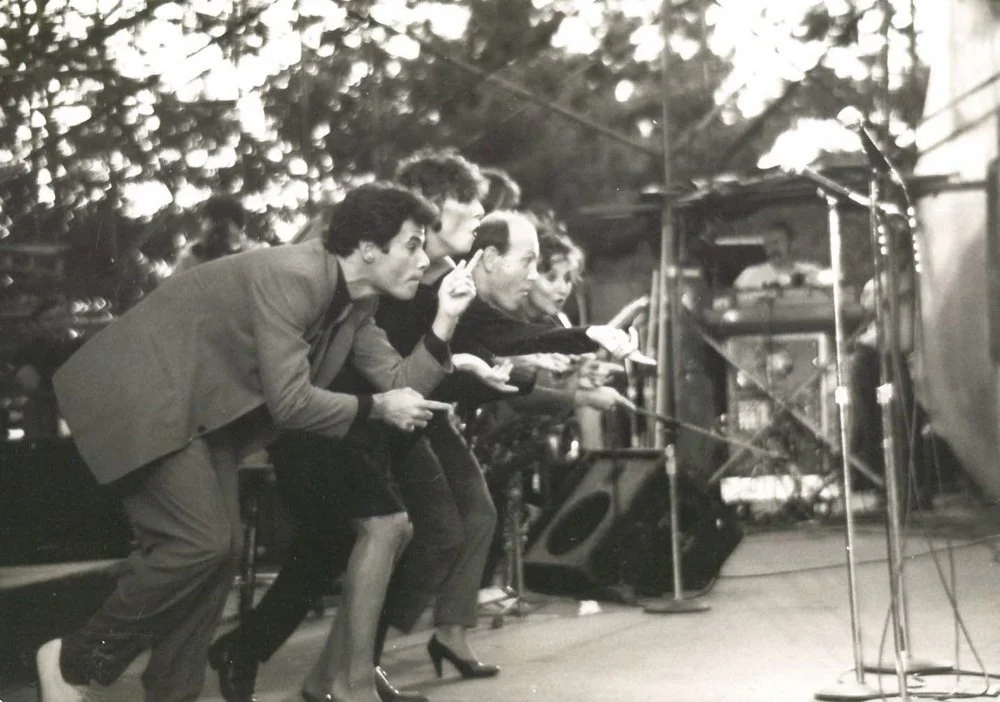
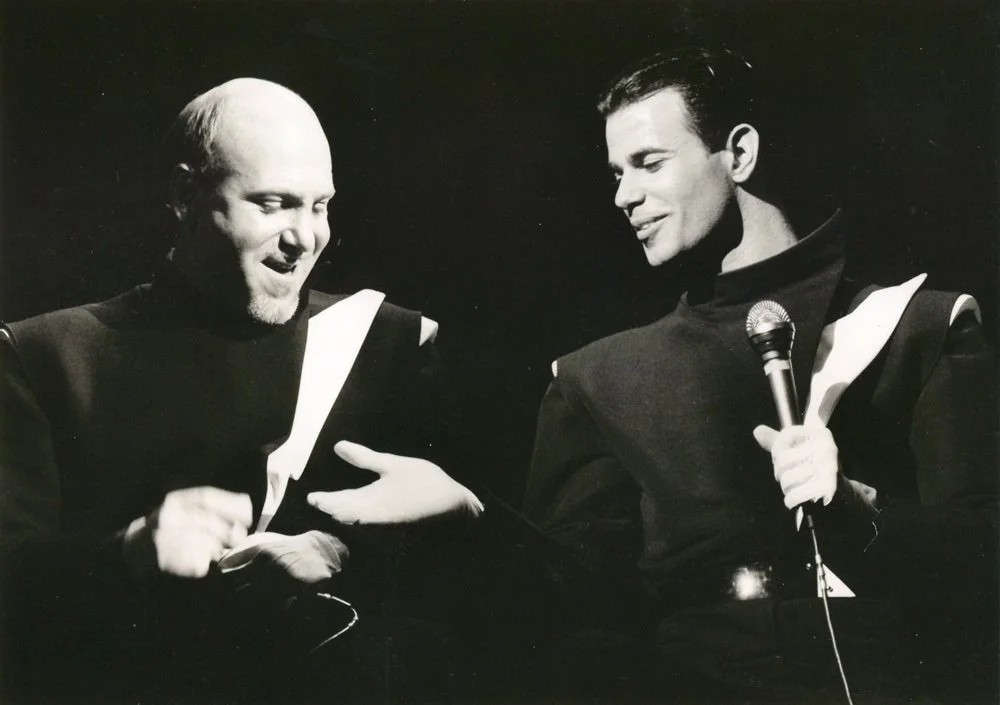
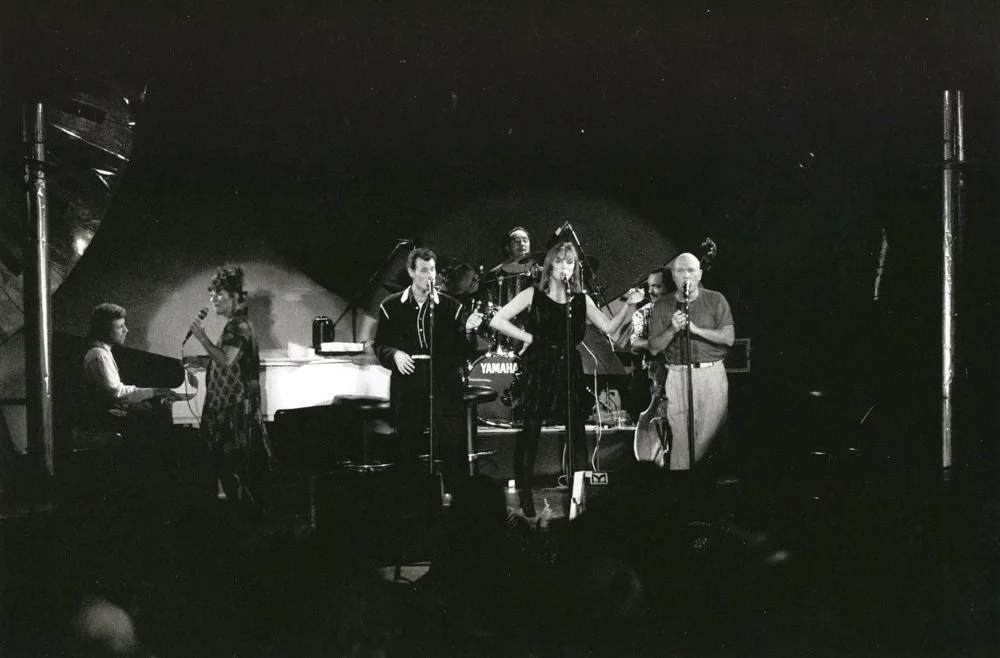
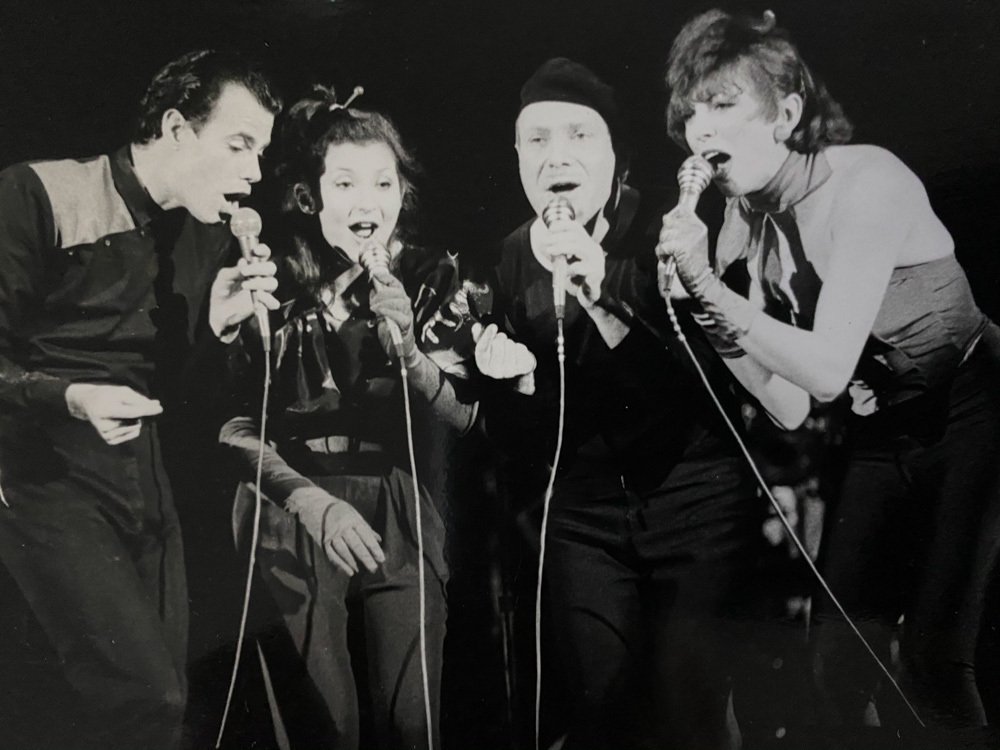
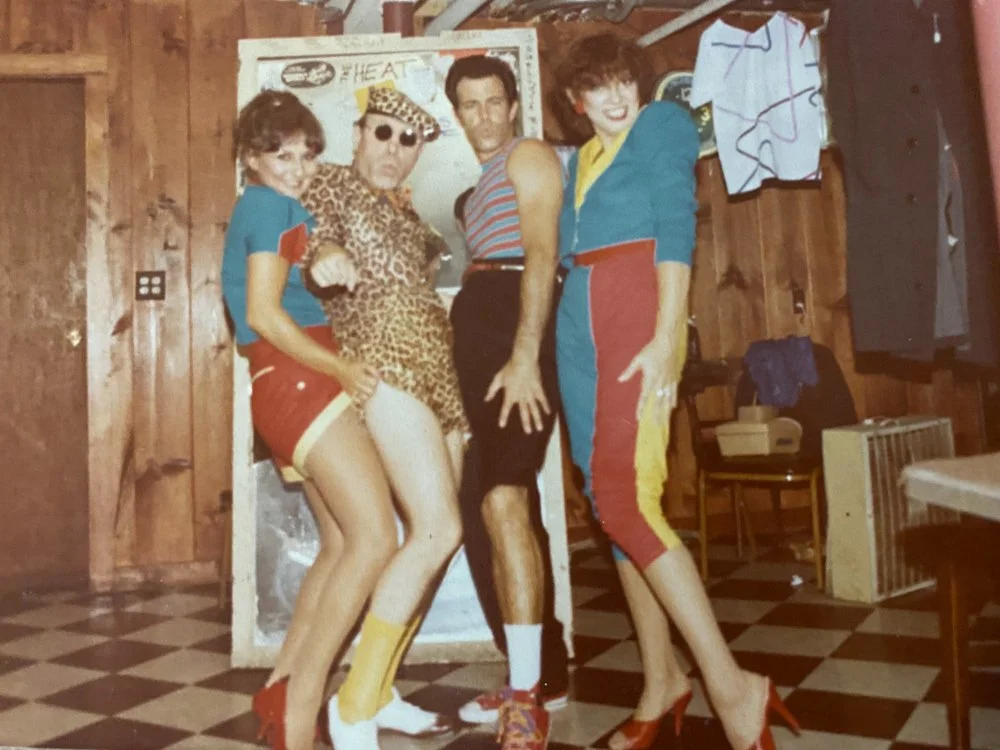
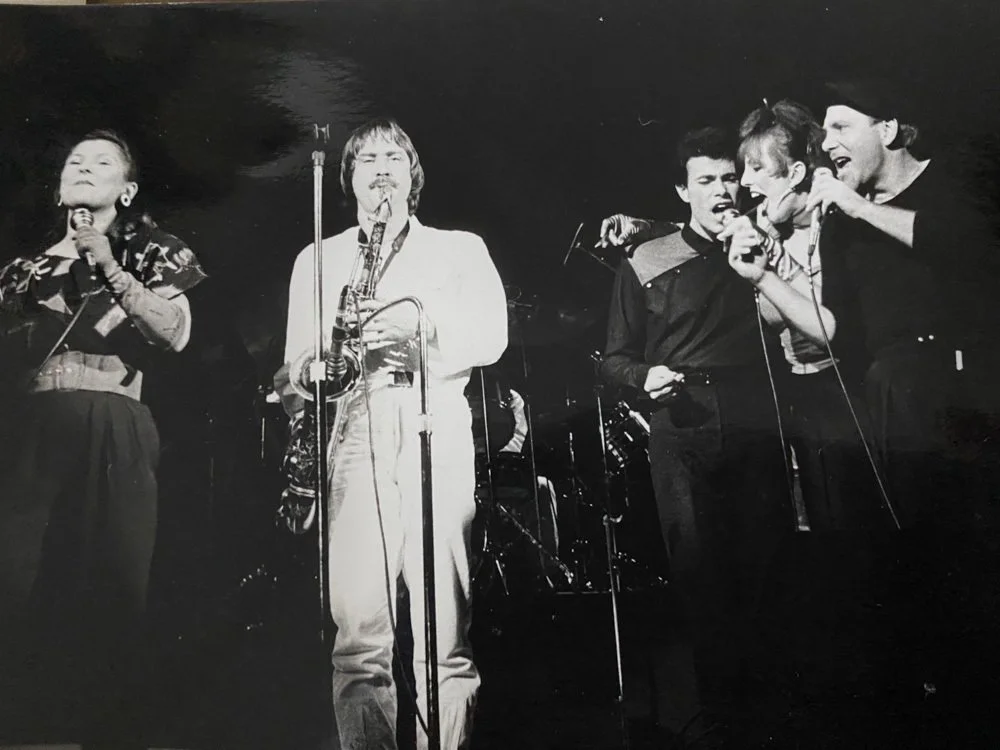
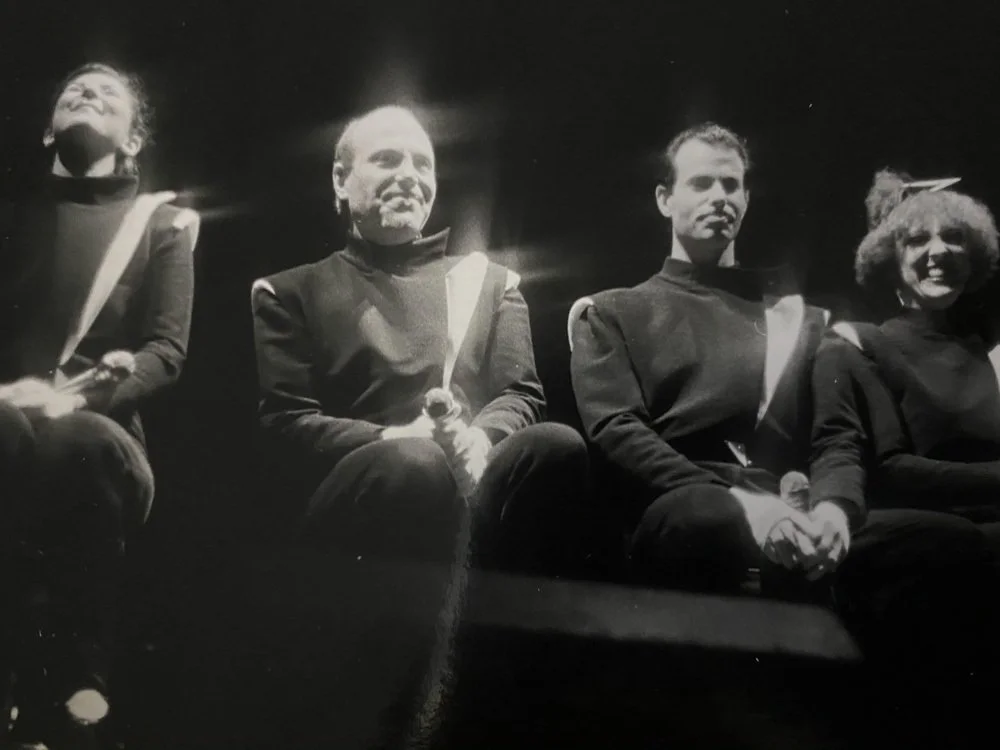
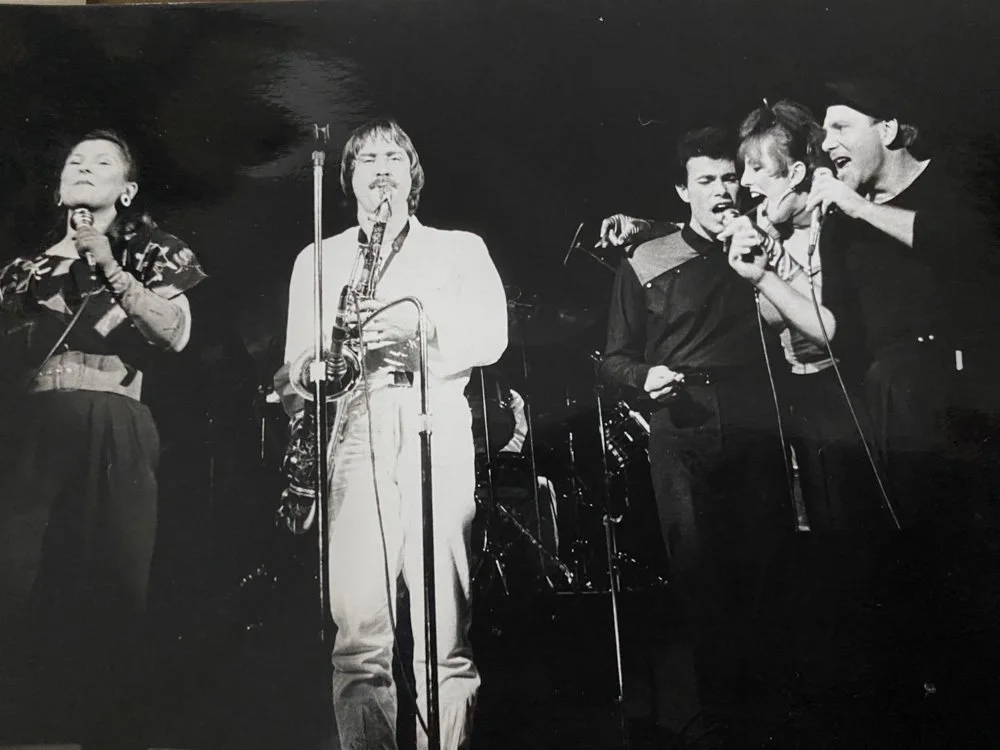
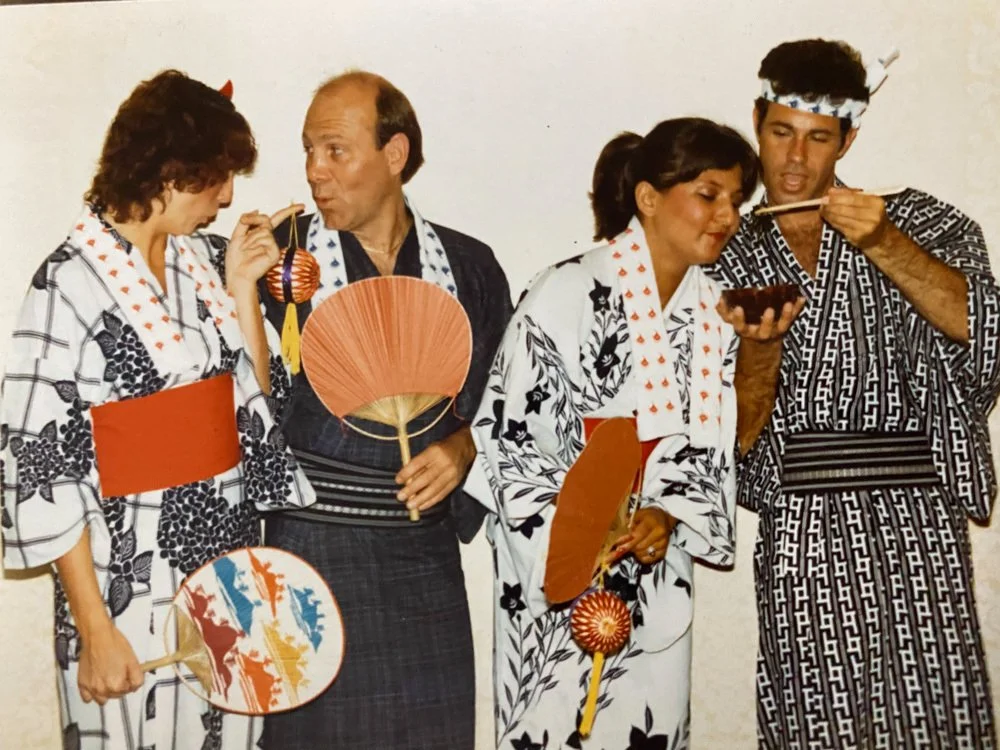
In the early 1970’s, The Manhattan Transfer emerged out of the underground, avant-garde movement in New York City. The group wanted to visually interpret the music they were singing like chameleons, constantly changing their image to fit their musical styles. Their look ranged from heavy makeup and surreal Cockette’s inspired costumes to tuxedoes and tails. “We followed the philosophy of David Bowie,” states Paul. “Create a persona, and then destroy it to evolve into something else.”
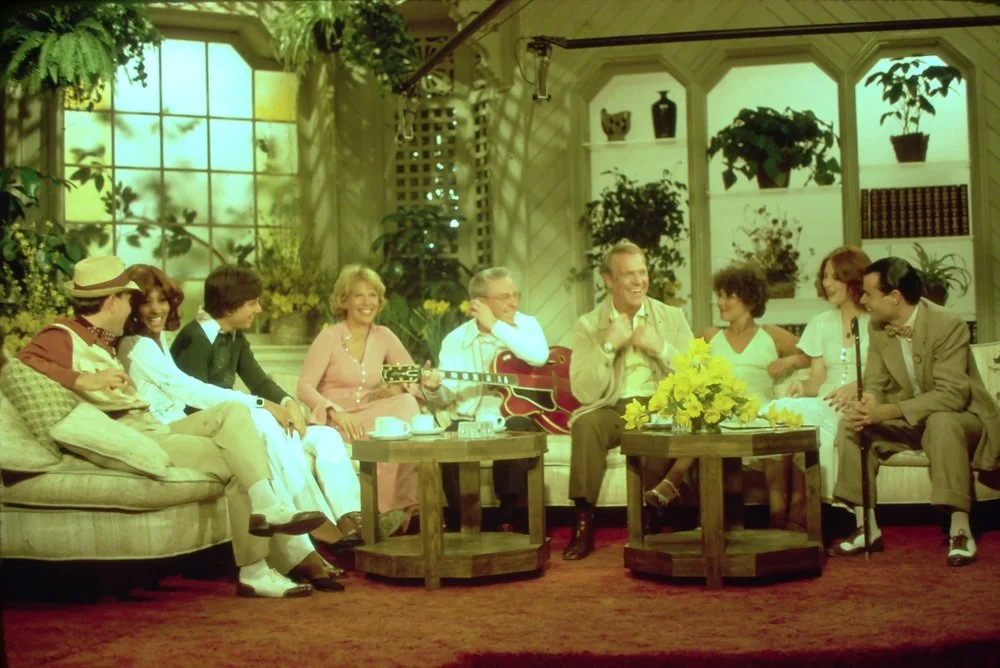
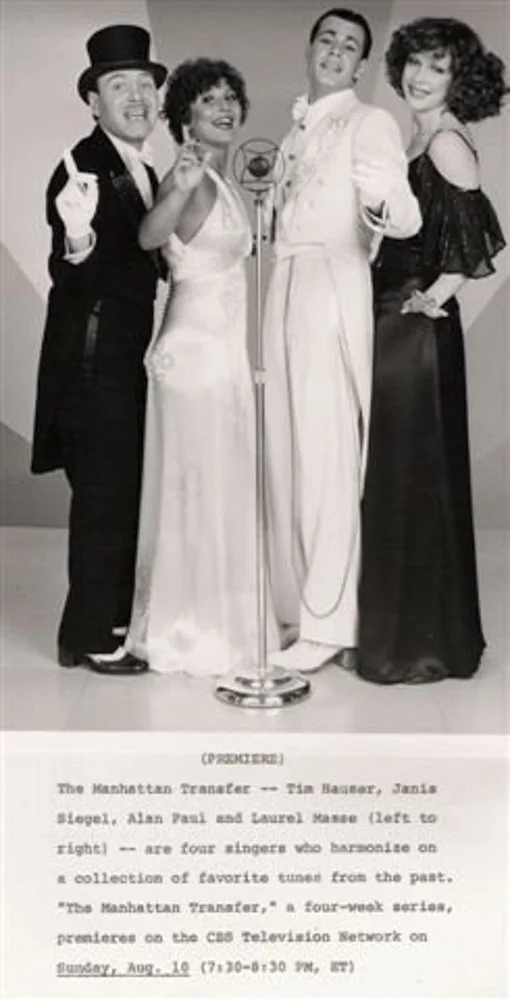
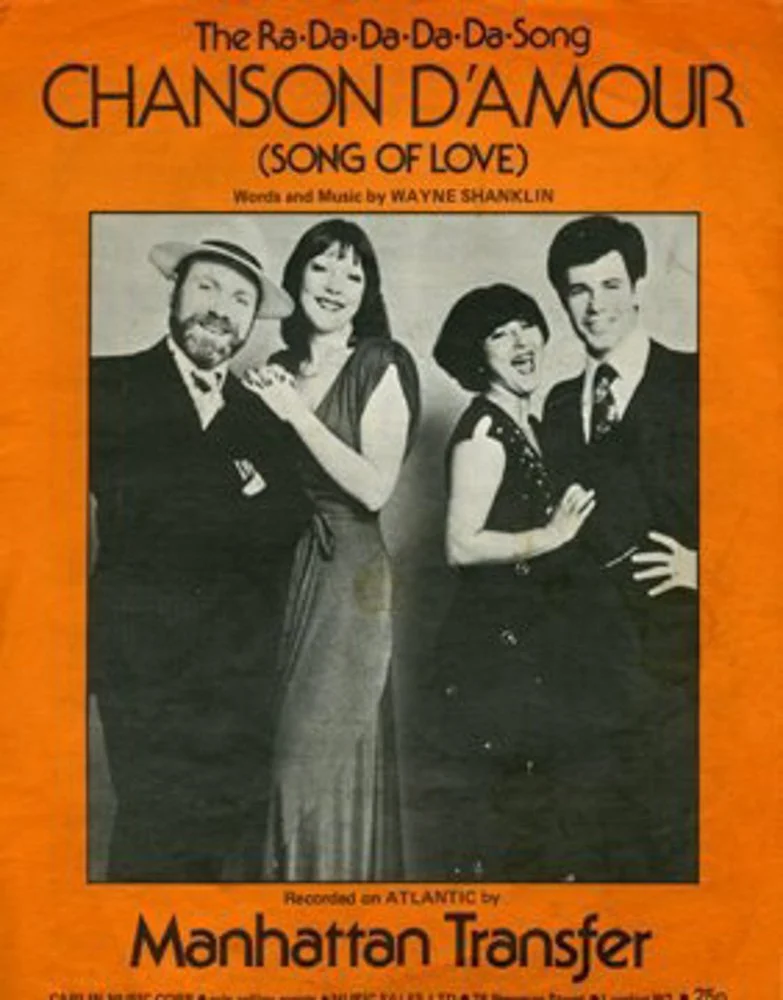
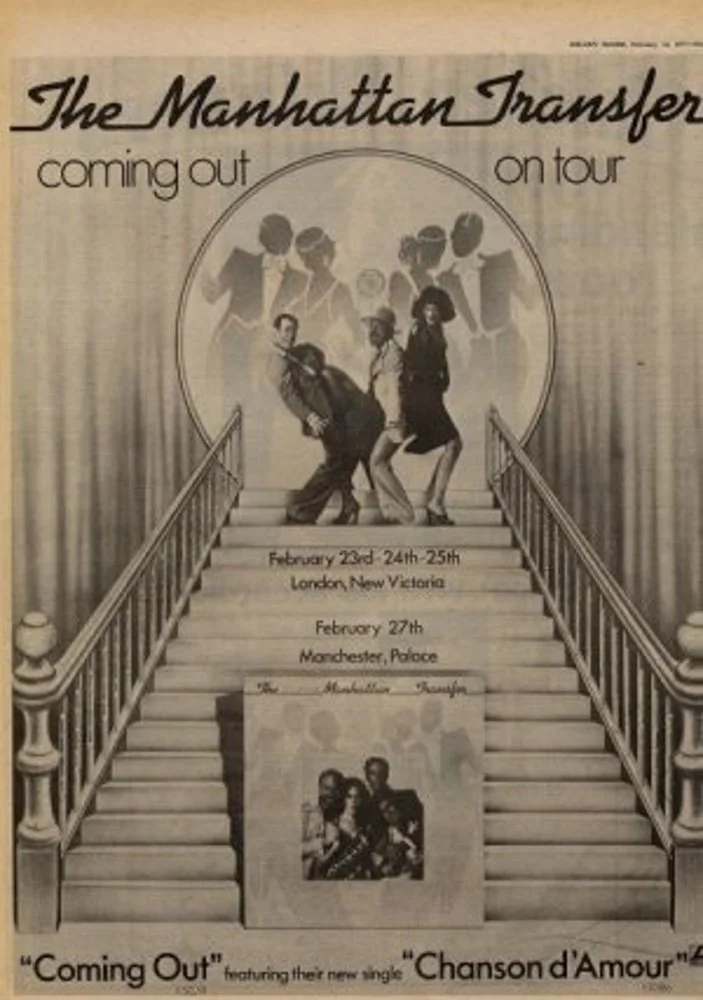
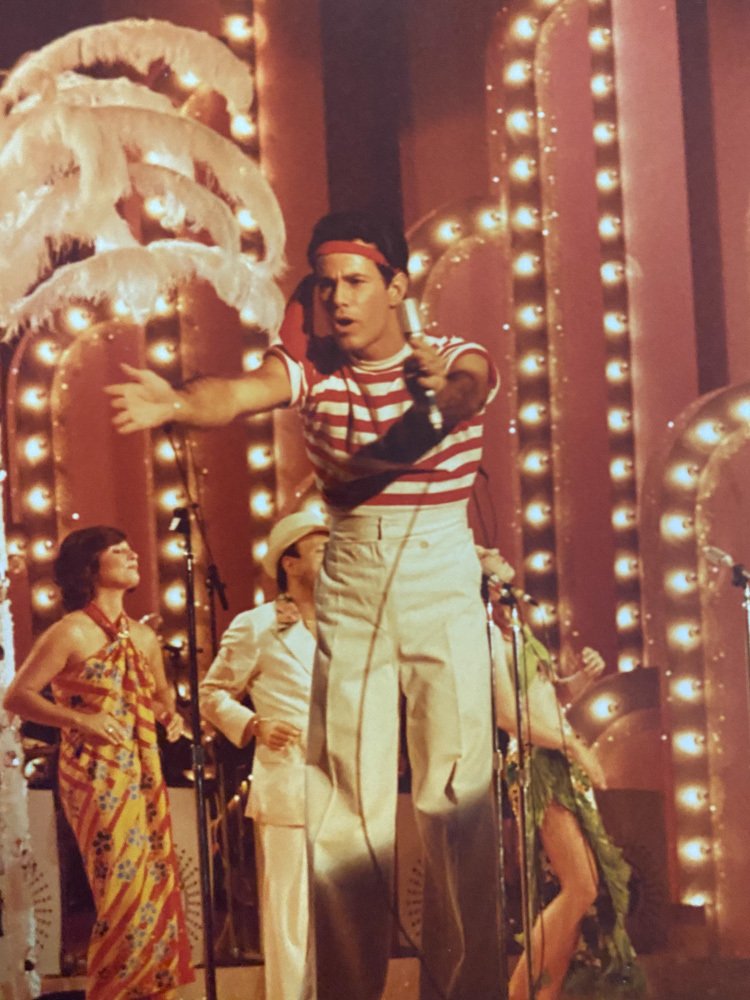
Then known primarily as an east coast cult act, the group expanded their following by starring in their own 1975 CBS-TV variety series as a summer replacement for the Cher (Bono) Show. The Manhattan Transfer garnered international popularity when "Chanson D'Amour" from the 1976 Coming Out album became a surprise number one hit in Europe.
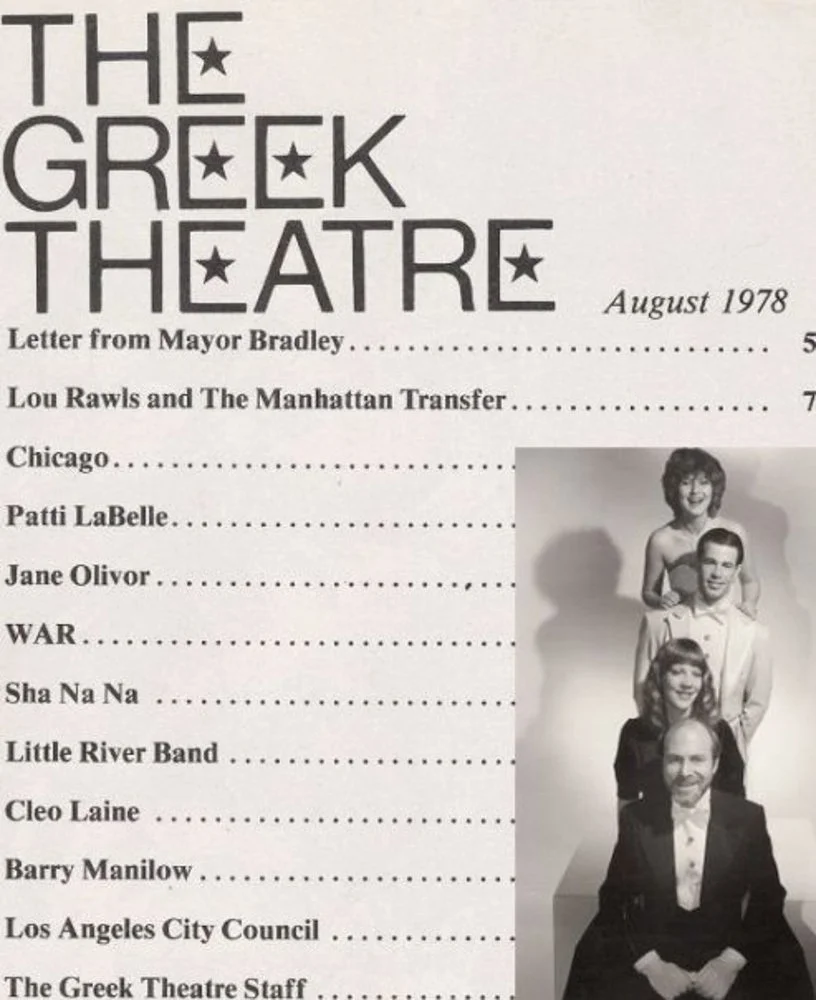
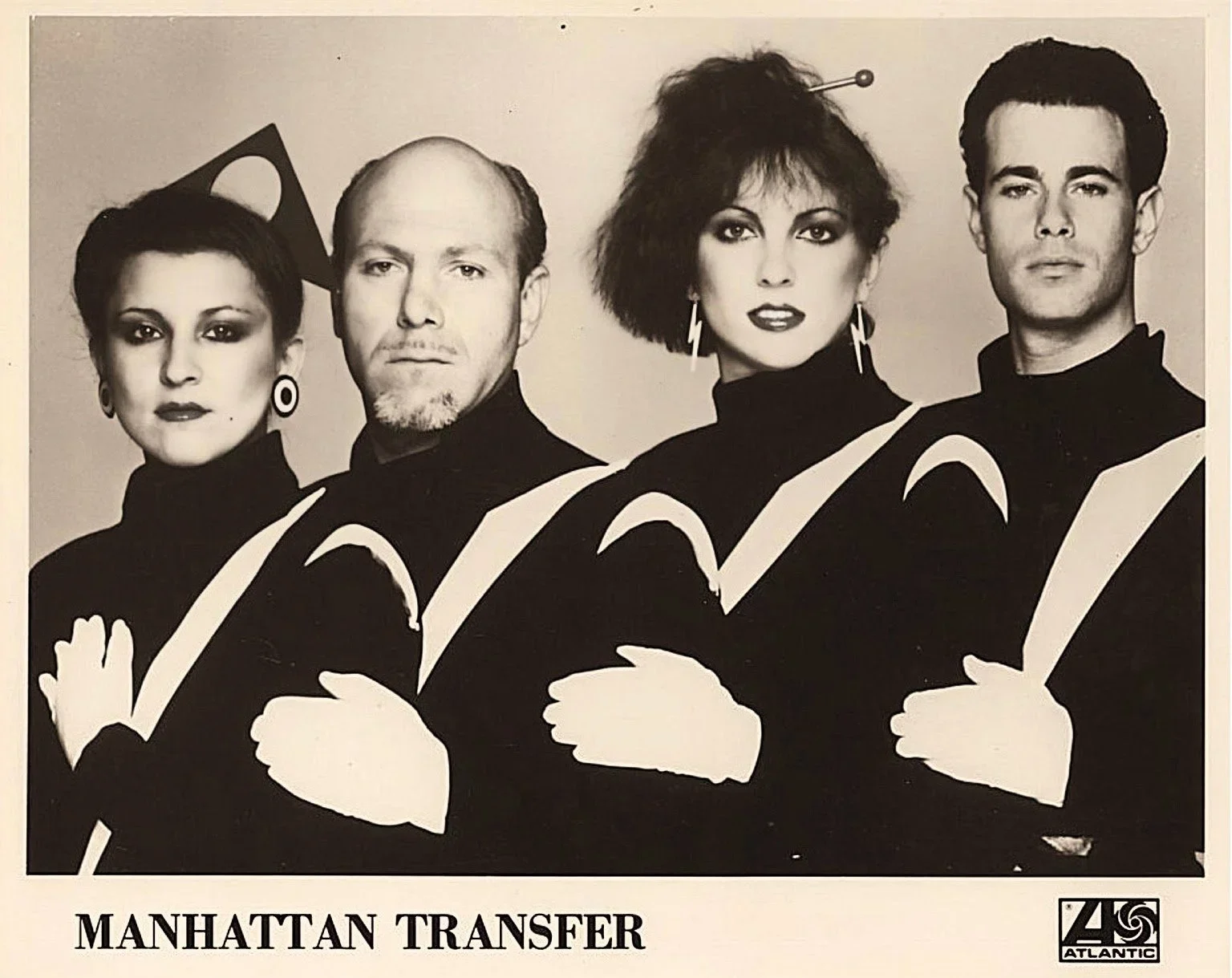
In their 50 years, the group has attained incredible longevity while navigating devastating obstacles. In 1978, a car accident caused Masse to leave the group. “We didn’t know if we’d be able to continue but Ahemt (Ertegun) encouraged us to find a replacement,” remembers Paul.
“We auditioned ten singers for soprano. Cheryl Bentyne was the last one. After 12 bars we all knew she was the one. We brought out champagne and said, ‘You’re in.”
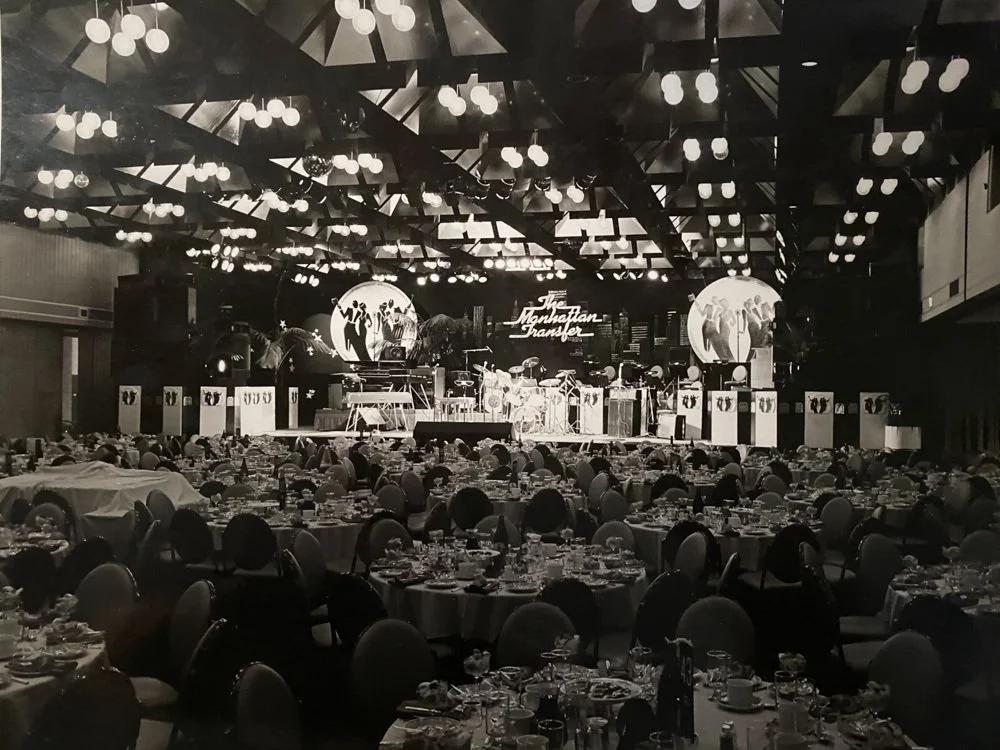
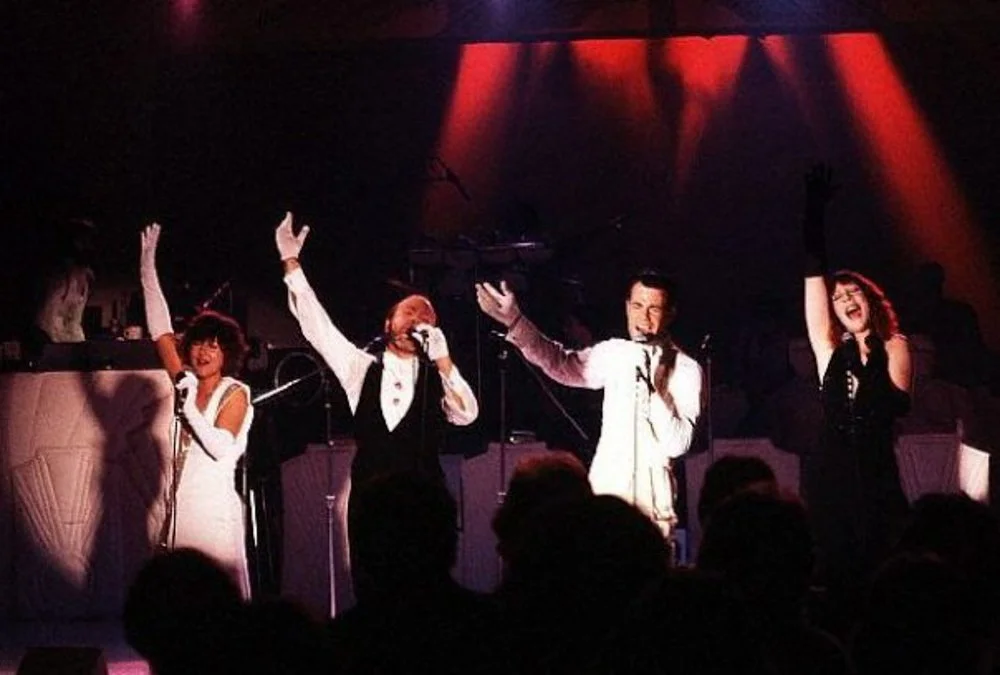
Bentyne made her recording debut on the 1979 Extensions album which won two Grammys for their cover of Weather Report’s “Birdland” (with lyrics by Jon Hendricks): Best Jazz Fusion Performance, Vocal or Instrumental; and Siegel won for Best Arrangement for Voices. “It was mind blowing,” recalls Bentyne. “The group had never won a Grammy, had never been to the Grammys. We came up on a hydraulic lift at Radio City Music Hall. Michael Jackson, Madonna and Barry Manilow were watching us sitting in the front row.”
The new chapter of The Manhattan Transfer had become an instant success.
The 1980’s
Siegel originated the concept to record a vocalized version of the Weather Report classic. “It was my idea of bring vocalese into the present. The Weather Report song sounded to me like a pop song of the future. Like a conversation between the instruments,” she recalls. “Working with Jon Hendricks on that song was the beginning of our close relationship.” (Hendricks later wrote lyrics for eight songs on their landmark 1985 Vocalese album.)
For Siegel, performing “Birdland” in 1979 at The Grammy Awards was one of her personal highlights, along with singing twice at The White House, and performing at President Bill Clinton’s inauguration in 1993 with Little Jimmy Scott. She says the group was blessed to know giants of the music business. “Working with Ahmet + Nesuhi Ertegun, Arif Mardin, Claude Nobs and Phil Carson was extraordinary,” she reflects. “We were fortunate to catch the tail end of a golden era in the music business.”
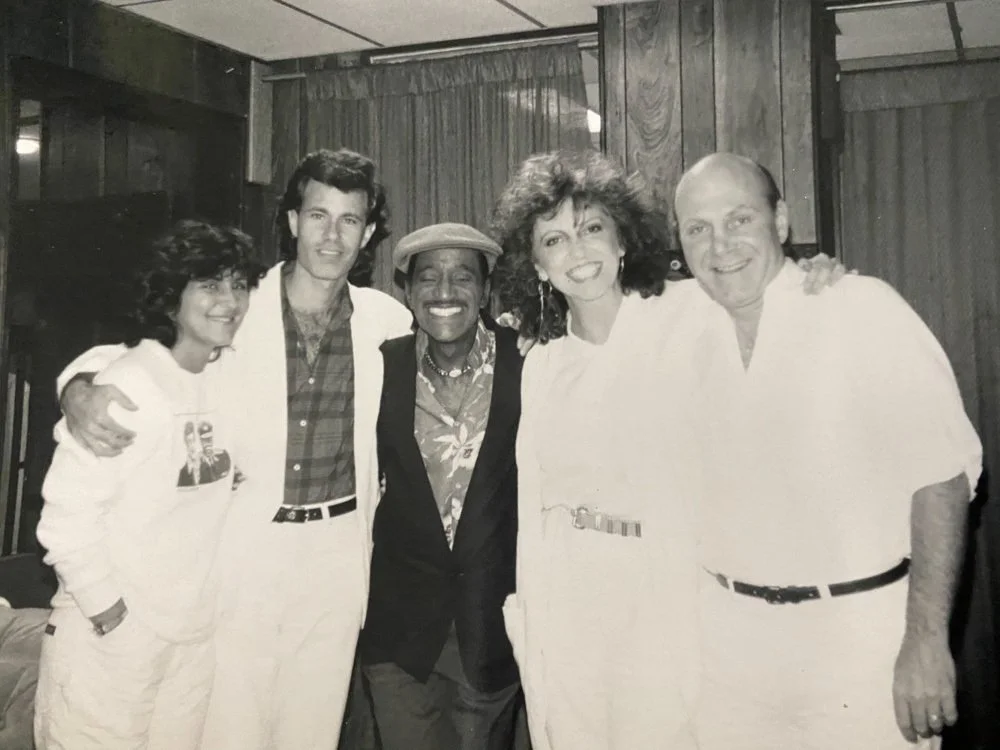
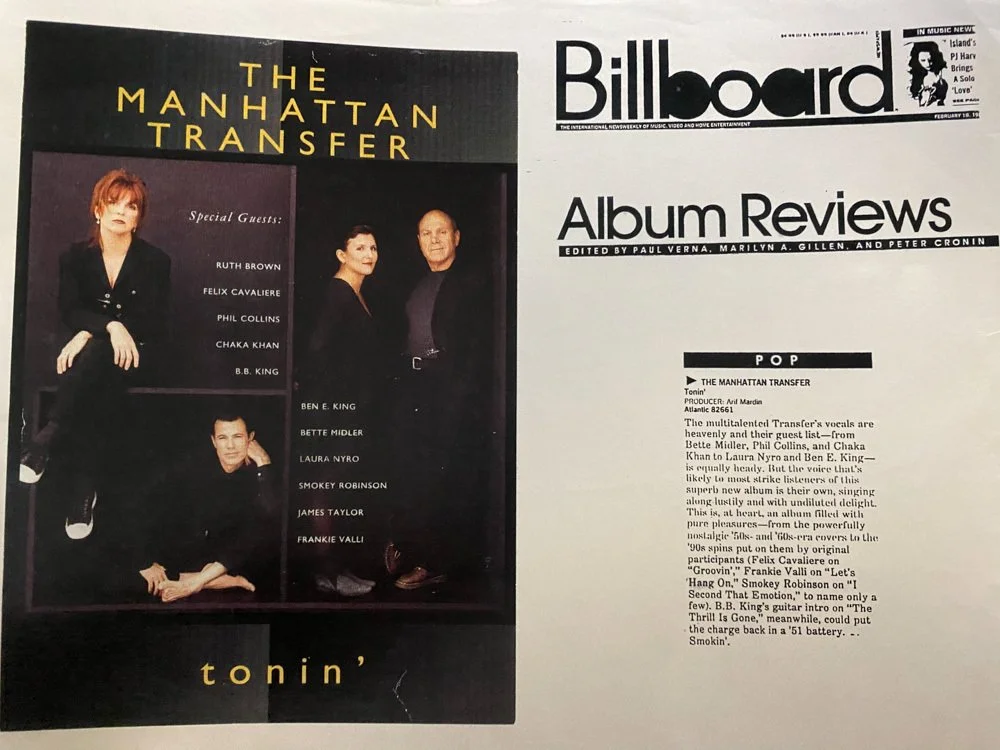
The Manhattan Transfer has also sung with many more “giants of the music business,” including Tony Bennett, Smokey Robinson, Bette Midler, Phil Collins, B.B. King, Chaka Khan, James Taylor, Laura Nyro, Ruth Brown, Boz Skaggs, Joe Zawinul, Stan Getz, James Moody, Dizzy Gillespie and Frankie Valli of The Four Seasons.
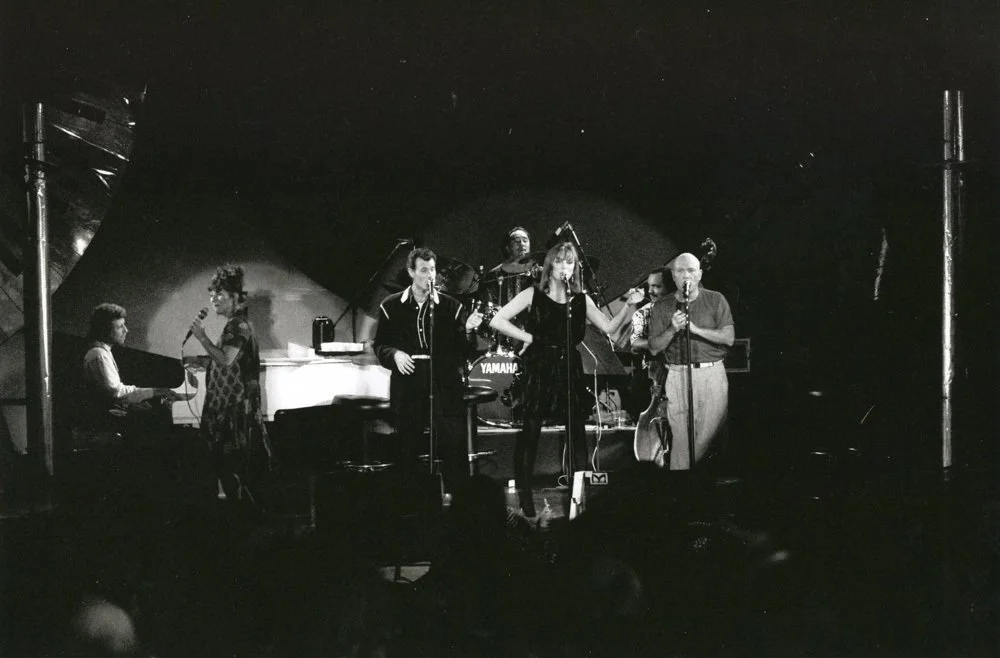
In 1985, The Manhattan Transfer’s Vocalese made history as the single greatest Jazz Grammy nominated album in history in one year with 12 nominations. “It was mind-boggling after the pop success we had,” says Paul. Vocalese, which featured jazz legends Dizzy Gillespie, Ron Carter, and the Count Basie Orchestra, changed the perception of The Manhattan Transfer. “Now we were accepted as jazz singers for the first time after being pop stars,” says Paul. Vocalese earned two more Grammys: Best Jazz Vocal Performance, Duo or Group; and Best Vocal Arrangement for Two Or More Voices for “Another Night in Tunisia” (won by Bentyne and Bobby McFerrin).
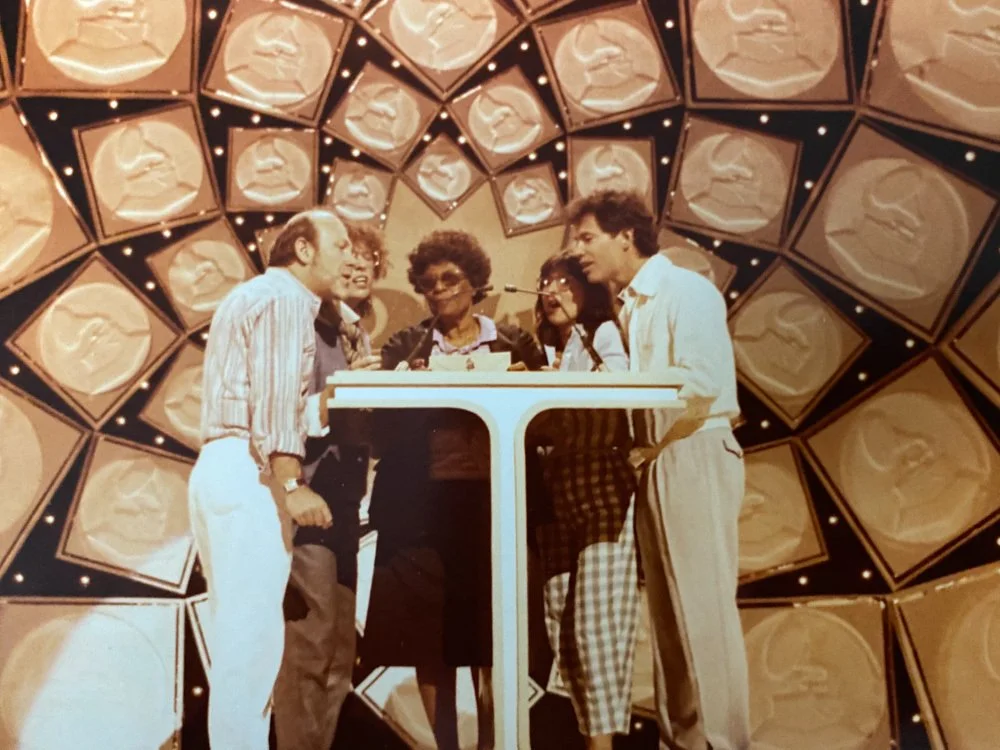
Another unforgettable highlight for the group was presenting and performing at the 1983 Grammy Awards with Ella Fitzgerald. “That was probably the peak,” comments Paul. “We were at the podium singing ‘How High the Moon,” says Bentyne. “The Grammys had never heard anything like that.” For Siegel, it was extra special because Fitzgerald is her idol. “At the rehearsals we were going over the song. We sang, she scatted. And she said, ‘Was that all right?’ In awe of the legendary singer’s breathtaking performance, Siegel told her, “Of course, you’re Ella Fitzgerald.”
The 1990’s
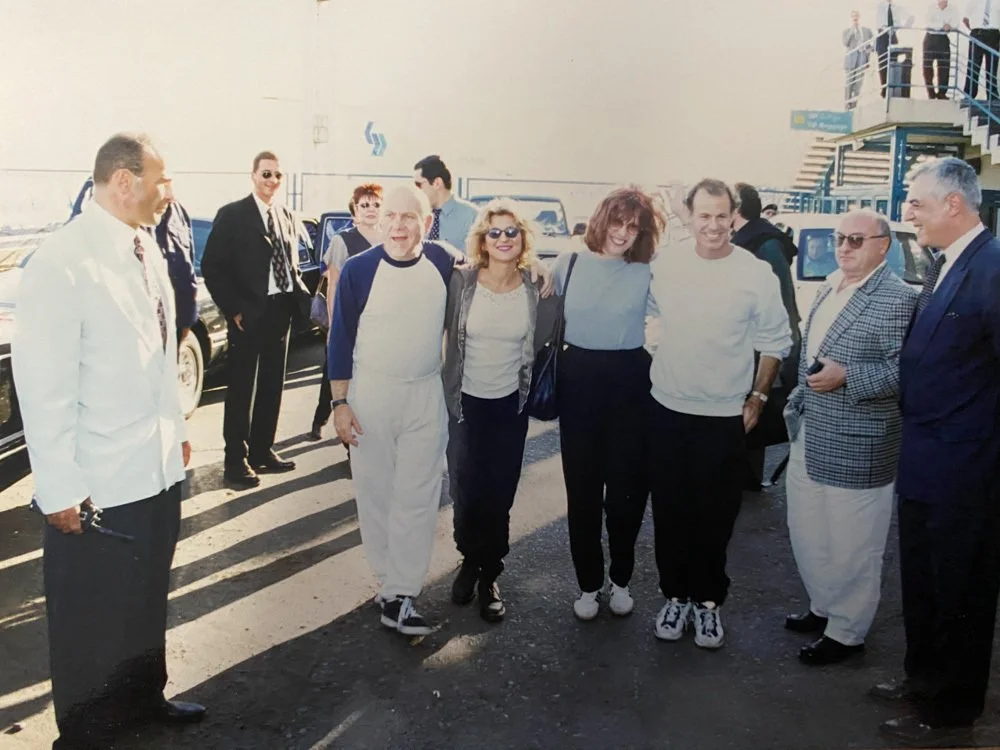
The “high” of singing with Fitzgerald at The Grammys, was later contrasted with another nearly overwhelming low that tested the resilience of The Manhattan Transfer. In 2011, Bentyne had to temporarily leave the group while undergoing treatment for Hodgkin’s lymphoma. Margaret Dorn replaced her then, and again in December 2013 while Bentyne underwent further treatment. “I was out with cancer for 8 months in 2011, and the cancer came back in 2013,” says Bentyne. “I had stem cell transplant with all new cells. At the same time, Tim was very ill, and Trist (Curless) took his place. The group had to work doubly hard in my absence and Tim’s absence. We had a lot of bumps to overcome.”
In 2013, Hauser underwent spinal surgery and was replaced by Curless of the Los Angeles a cappella group, M-pact. In 2014, following the passing of Hauser, Curless became an official member of the group, forming the third incarnation of The Manhattan Transfer. Now the group is dedicated to maintaining and building upon the legacy of the late Hauser.
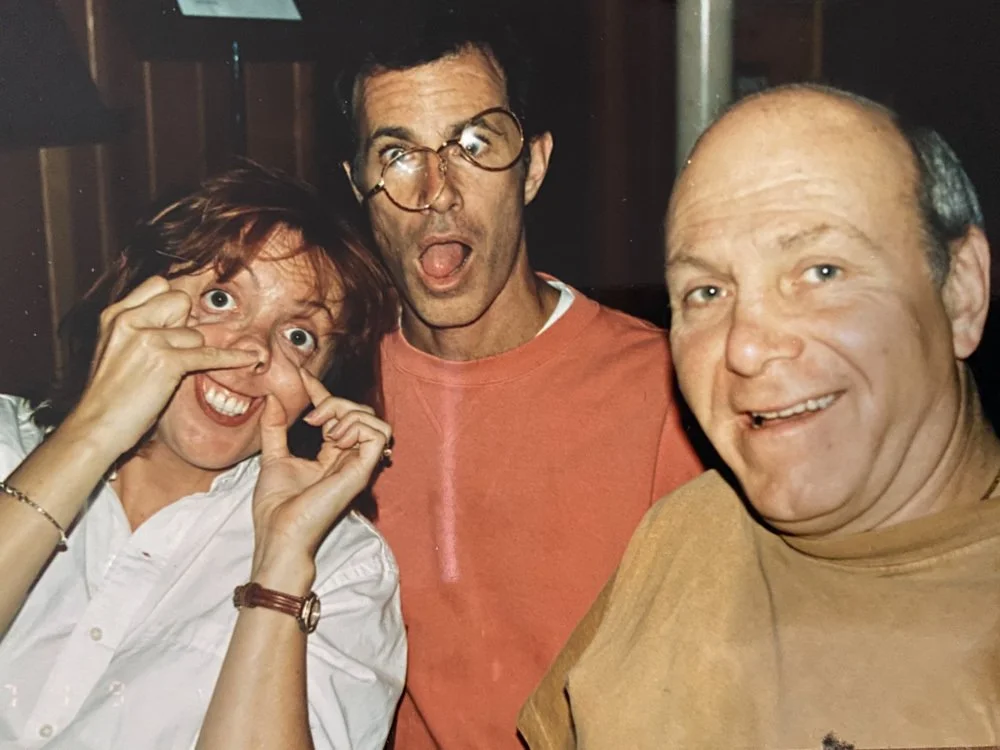
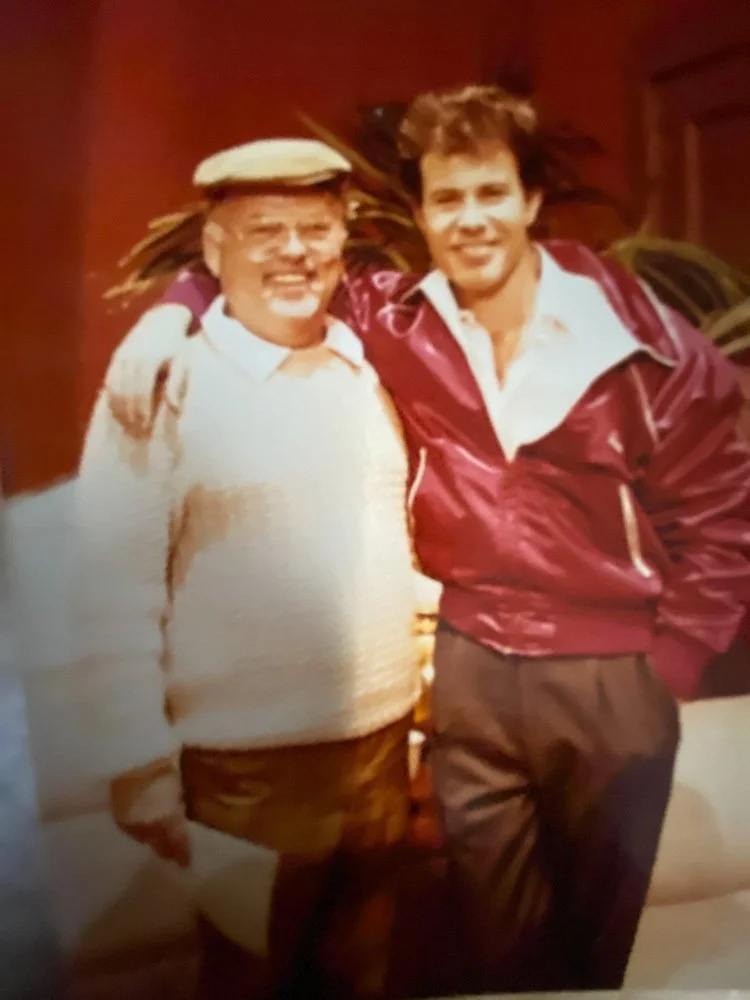
“It has taken us a while to recover,” says Siegel. “Tim (Hauser) was a dear friend and the guiding light of the group. There would not be The Manhattan Transfer without Tim Hauser. He was the passionate driving force and one of the most creatively generous people I ever met. He was a musical historian. I learned so much from him about music.” Siegel remembers the shock of his passing. “Tim got seriously ill on the road in the middle of a tour, and then never recovered. The grieving was a long process. We thought we might end the group. However, we realized people all over the world wanted the music to continue.”
“It was extremely difficult,” Paul remembers. “He was my brother. A great loss. We spent the whole year doing a memorial tour for him. The fans supported us. Trist Curless subbed for him. We are very grateful for the fans support who warmly accepted Trist. We had to continue the legacy,” he adds. “Our fans embraced us. If we did not have our fans, we could not go on. We would cry onstage. We would not have been able to do it without our fans support.”
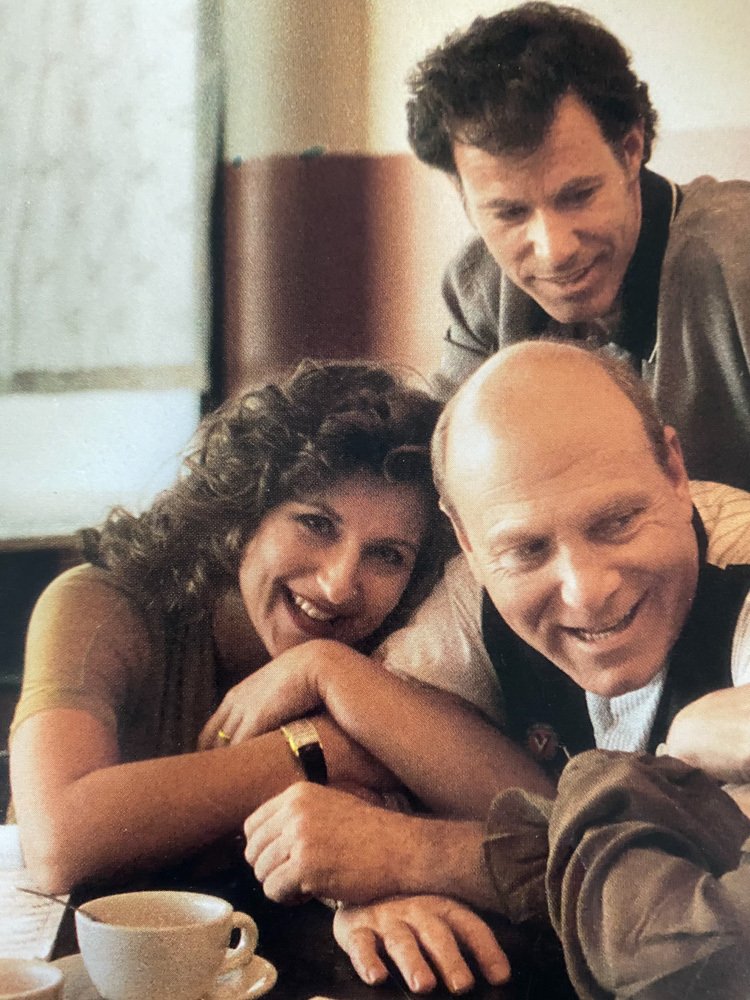
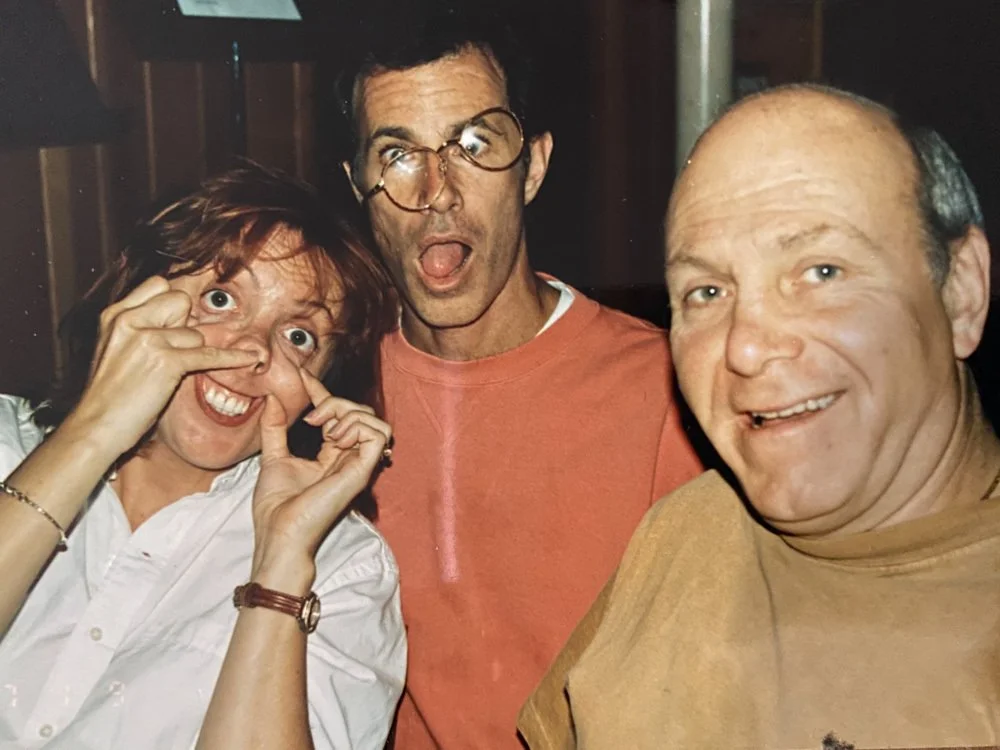
“Tim was my mentor, the professor, the guiding light,” comments Bentyne. “He was the energy of the group. He was older, but we couldn’t keep up with him. He was the spark for music. He was amazing.” Bentyne was especially grateful for how Hauser made her feel comfortable as a new member of the group. “He was always helping me fitting in. I was intimated at first singing in the studio. He took time with me and helped me get through it.” Bentyne fondly remembers Hauser’s loving reaction when she was honored in 1985. “When I won a Grammy (Best Vocal Arrangement For Two Or More Voices) with Bobby McFerrin for “Another Night in Tunisia,” Tim had tears in his eyes for me. He said, ‘I’m so proud of you.’”
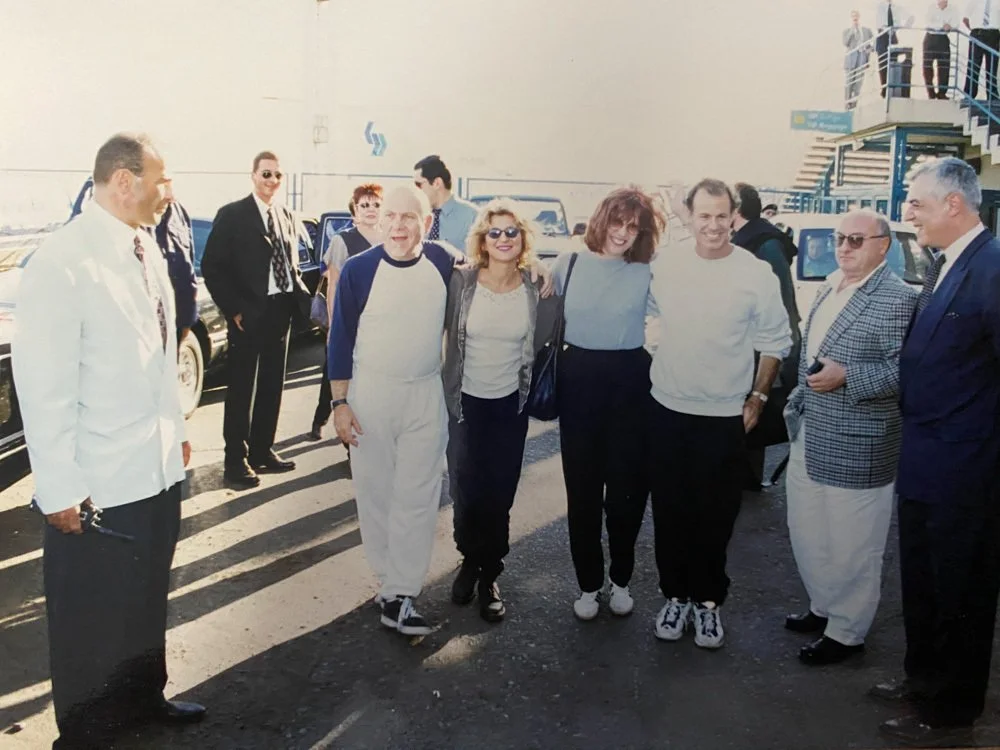
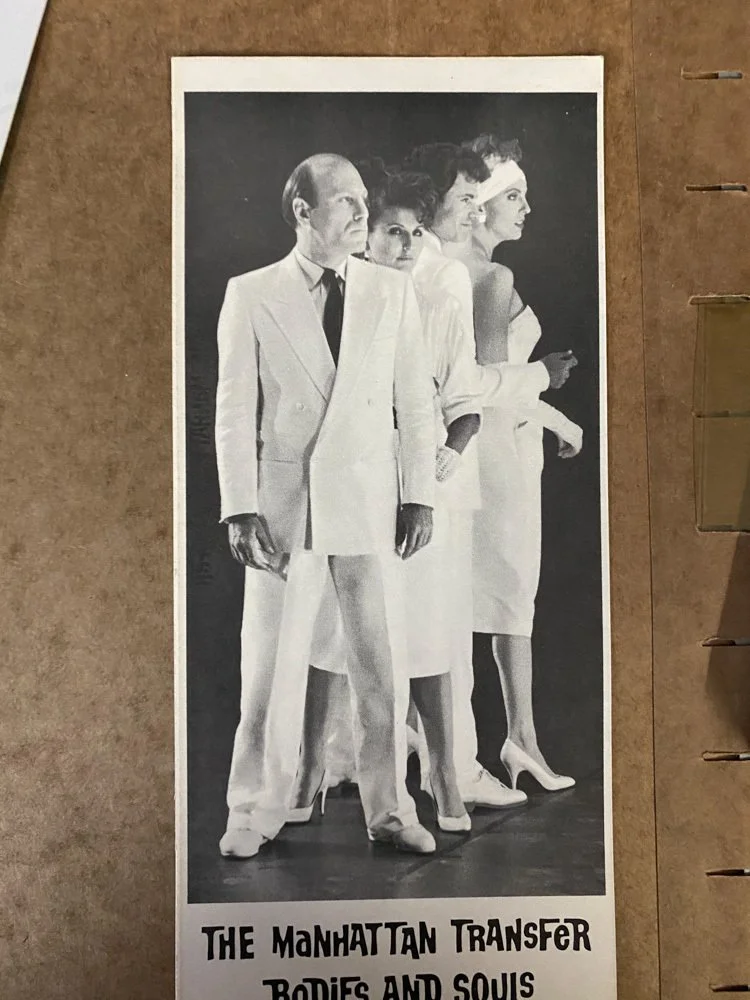
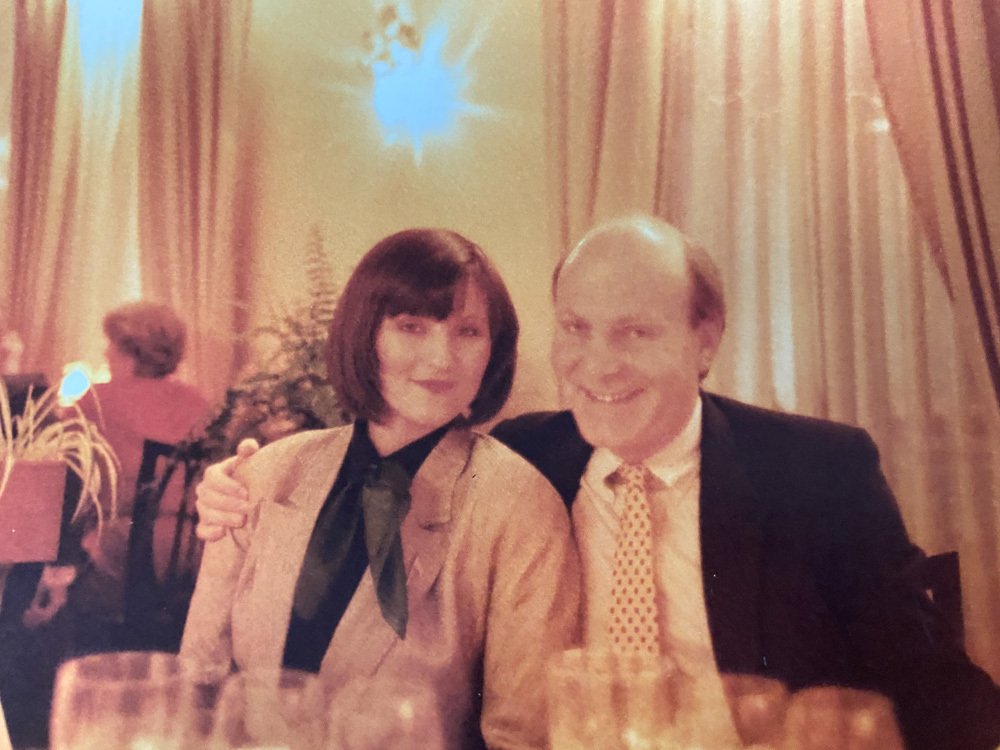
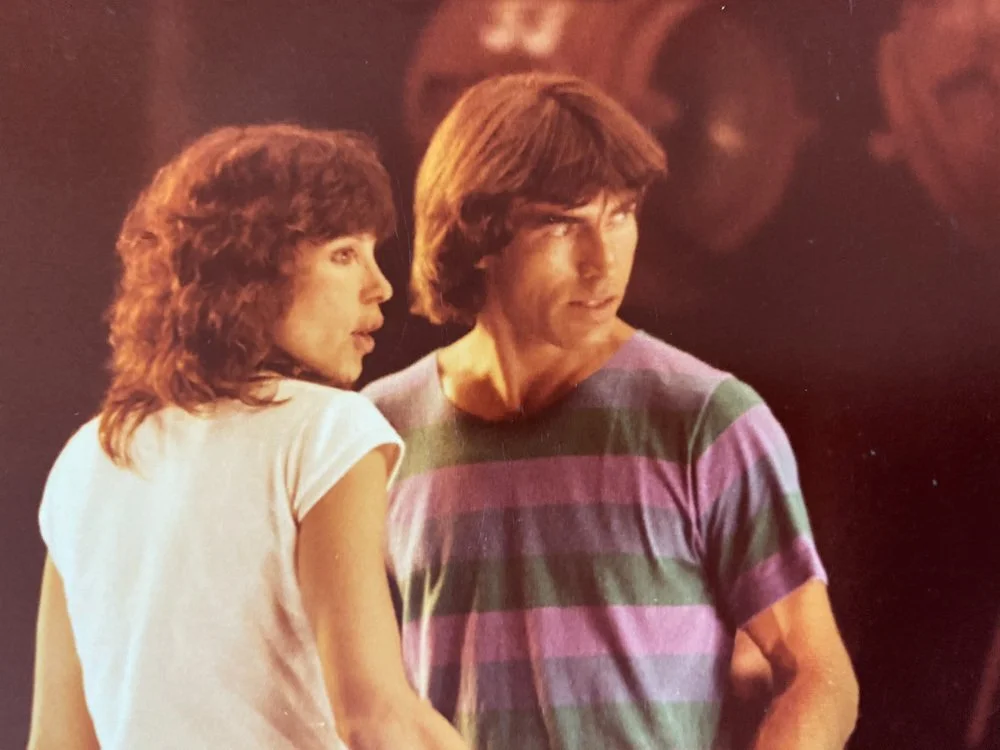
The 2000’s
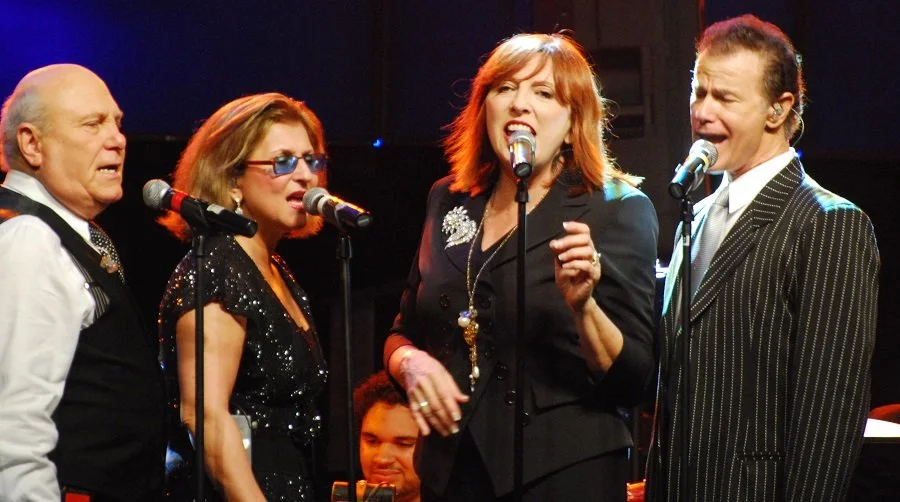
Entering the new millennium, The Manhattan Transfer continued to explore the boundaries of vocal harmony, drawing from jazz, pop, R&B, Brazilian music, and the rich traditions of vocal group singing.
With their trademark blend of sophisticated arrangements, virtuosic scat singing, and adventurous collaborations, the group remained a vital force on stages around the world.
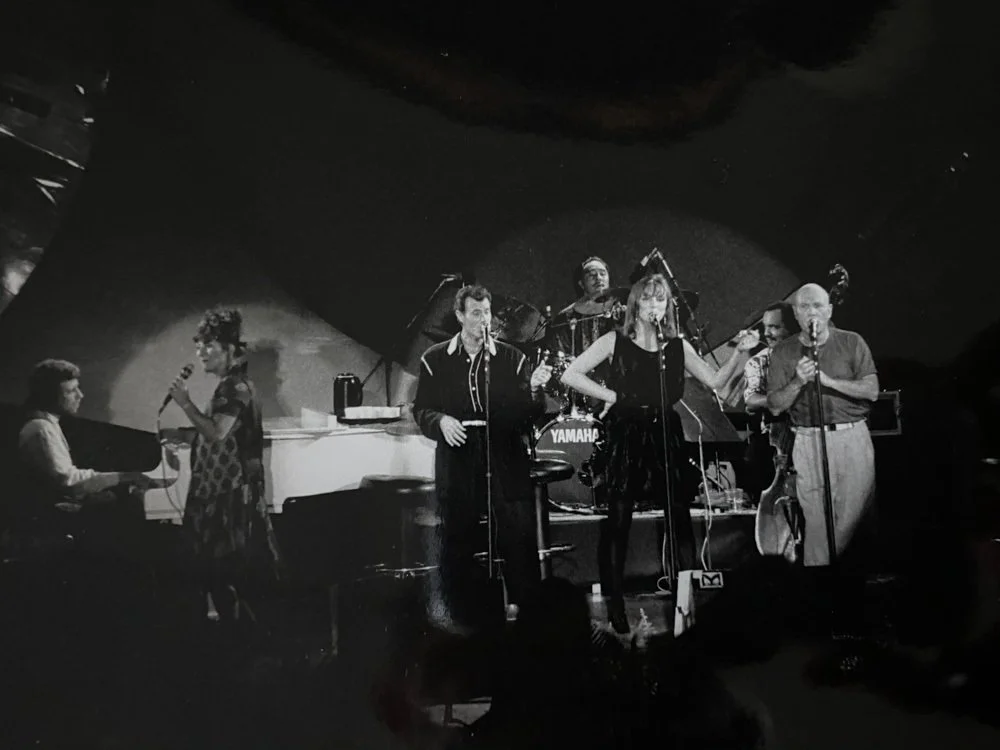
Throughout the decade, The Manhattan Transfer maintained an extensive international touring schedule, performing for audiences across North and South America, Europe, Asia, and Australia. Their concerts continued to demonstrate why the group had become one of the most influential vocal ensembles in contemporary music.
Their recordings during this period reflected both their deep respect for the musical traditions that shaped them and their willingness to explore new territory. The group released The Spirit of St. Louis (2000), Couldn’t Be Hotter (2003), Vibrate (2004), An Acapella Christmas (2004), and The Symphony Sessions (2006).
After more than 30 years together, The Manhattan Transfer were still doing what they had always done: taking the music they loved, finding new ways into it, and putting their unmistakable harmonic stamp on the result.
The 2010’s
The 2010s were a decade of remarkable musical achievement, profound transition, and loss for The Manhattan Transfer. As the group entered its fifth decade, Tim Hauser, Cheryl Bentyne, Janis Siegel, and Alan Paul continued to tour internationally, carrying forward a musical language they had spent decades developing. In 2011, the group released The Chick Corea Songbook, celebrating the music of the legendary composer and pianist. The recording reflected The Manhattan Transfer’s longstanding ability to transform complex instrumental music into sophisticated vocal arrangements while retaining the spirit and improvisational character of the originals.
But health struggles became a reality for the group. In 2011, Cheryl Bentyne temporarily left the ensemble while undergoing treatment for Hodgkin’s lymphoma. Margaret Dorn stepped in, returning again in December 2013 while Bentyne underwent further treatment. At the same time, Tim Hauser’s health was declining. In 2013, he underwent spinal surgery, and Trist Curless stepped in as his substitute. For the singers and touring crew, these years became a lesson in resilience. The group continued performing while members underwent treatment and recovery, with the entire entourage functioning as what they came to call a “road family.” “We had a lot of bumps to overcome,” Bentyne recalled.
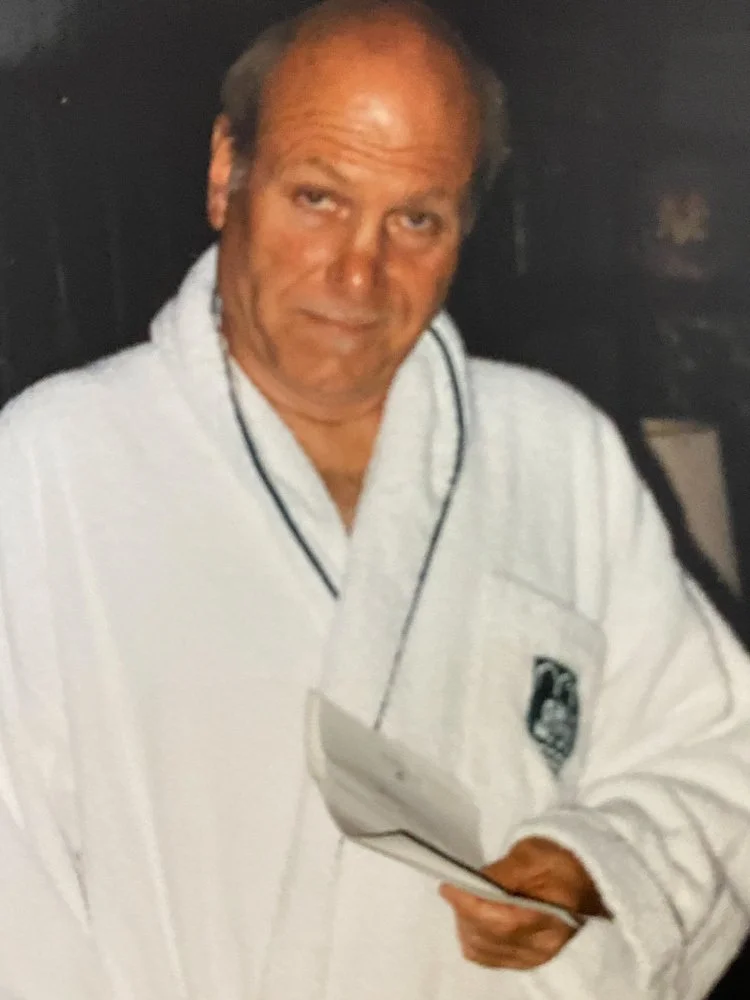
Then, on October 16, 2014, Tim Hauser died at the age of 72. Hauser was far more than the founder of The Manhattan Transfer. He was the visionary who brought the original concept to life, the musical historian and entrepreneur whose curiosity and love of harmony helped shape the group’s identity from its earliest days. “Tim was my mentor, the professor, the guiding light,” Bentyne said. “He was the energy of the group.”
For his fellow singers, the loss was enormous. Hauser had been their musical and personal anchor for more than four decades. “We thought we might end the group,” Siegel said. “However, we realized people all over the world wanted the music to continue.” The group chose to honor Hauser by continuing the musical journey he had begun.
Trist Curless, who had grown up listening to The Manhattan Transfer in Wyoming, officially became the fourth member. A skilled bass singer, scat vocalist, and audio engineer, Curless brought both deep knowledge of vocal music and a new energy to the ensemble. “I am excited about creating new music,” Alan Paul said. “We are thrilled to have Trist in the group as we venture forward. He is a solid scat singer, and his rich bass adds a whole new texture to our sound.” Siegel welcomed the new chapter as well: “This new chapter is exciting. I’m exhilarated about what we will come up with next. It will be intriguing to see Trist’s influences. He brings great energy. We found a wonderful partner in Trist.”
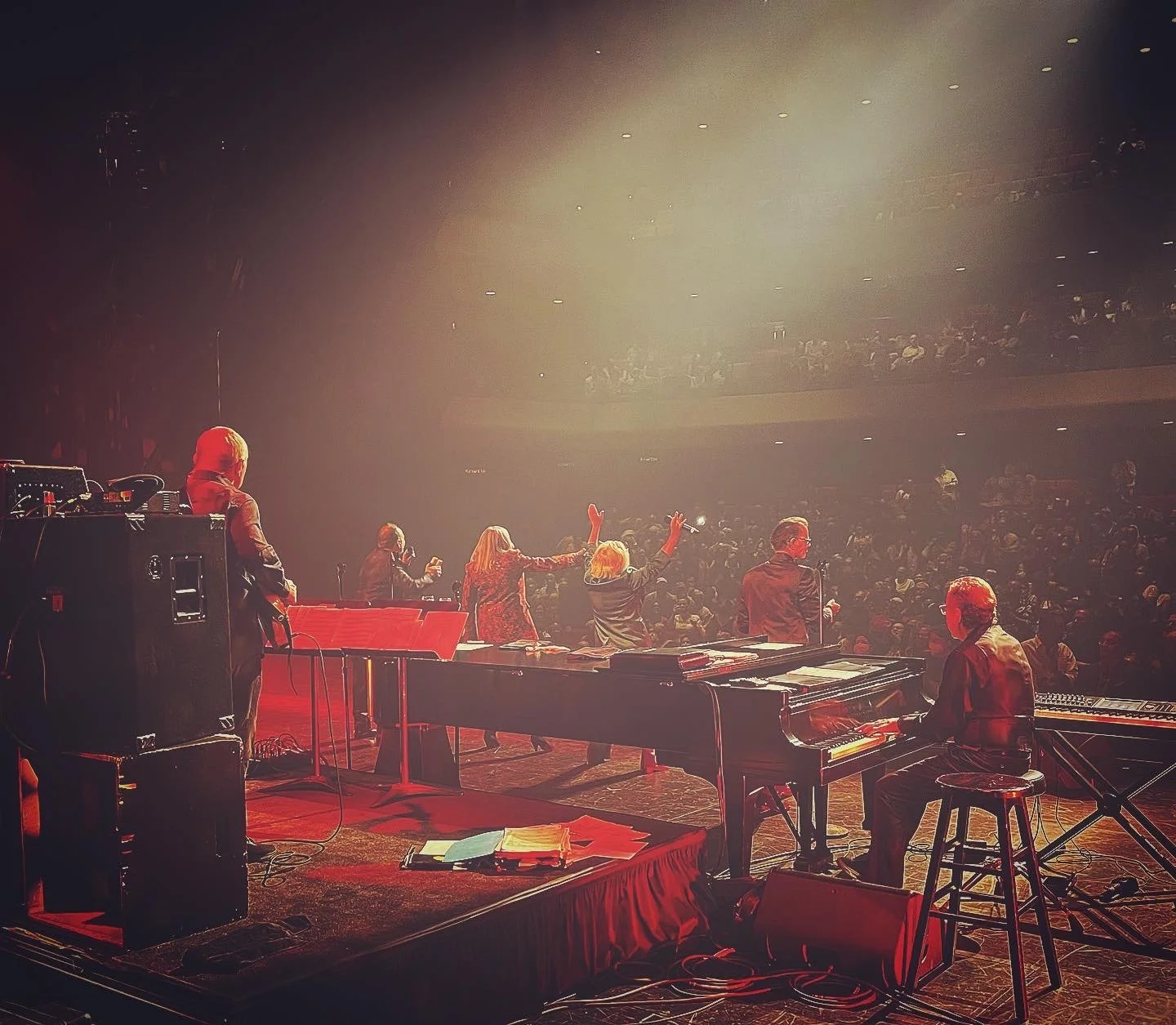
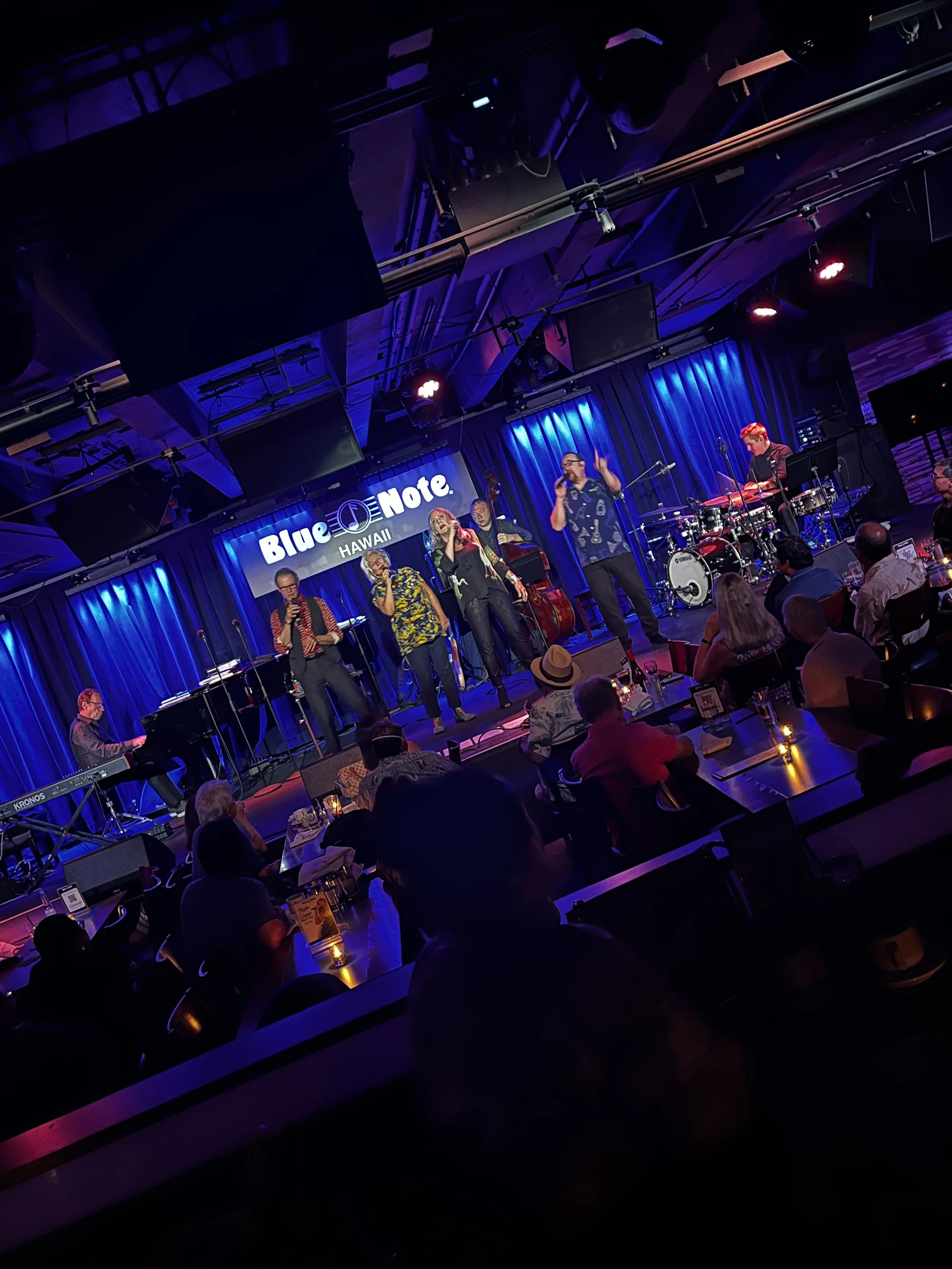
The transition marked the third incarnation of The Manhattan Transfer, but the group remained committed to the musical philosophy that had connected its members across generations. Curless’s arrival also represented something larger: the influence The Manhattan Transfer had already exerted on generations of singers. By the 2010s, contemporary a cappella and vocal ensembles were experiencing a remarkable resurgence, and many of those artists had grown up listening to The Manhattan Transfer. “It is gratifying to see so many vocal groups, especially a cappella groups,” Siegel observed. “If we promoted any of that, we are happy.”
In 2016, The Manhattan Transfer joined forces with Take 6 for The Summit Tour, bringing ten extraordinary voices together on stages across the United States from October 2016 through March 2017. The collaboration brought together two generations of groundbreaking vocal harmony. Both groups had spent decades pushing vocal music forward, and the tour gave audiences the opportunity to hear their distinctive approaches to harmony, rhythm, improvisation, and arranging side by side. “To be on stage with them is glorious,” Siegel said. “They are all phenomenal people and singers. It has been a great experience, them singing our songs, and vice versa. It has been ten singers having a blast.” “We have been fans of each other for a long time,” Paul added.
For Curless, joining The Manhattan Transfer was the fulfillment of a dream. “As a young singer into group singing, I listened to The Manhattan Transfer. Such an influence helping me to grow. One of my favorite groups.” By the end of the decade, The Manhattan Transfer had entered its sixth decade as an ensemble—a remarkable achievement for a group whose music had continually evolved while remaining unmistakably its own.

The 2020’s
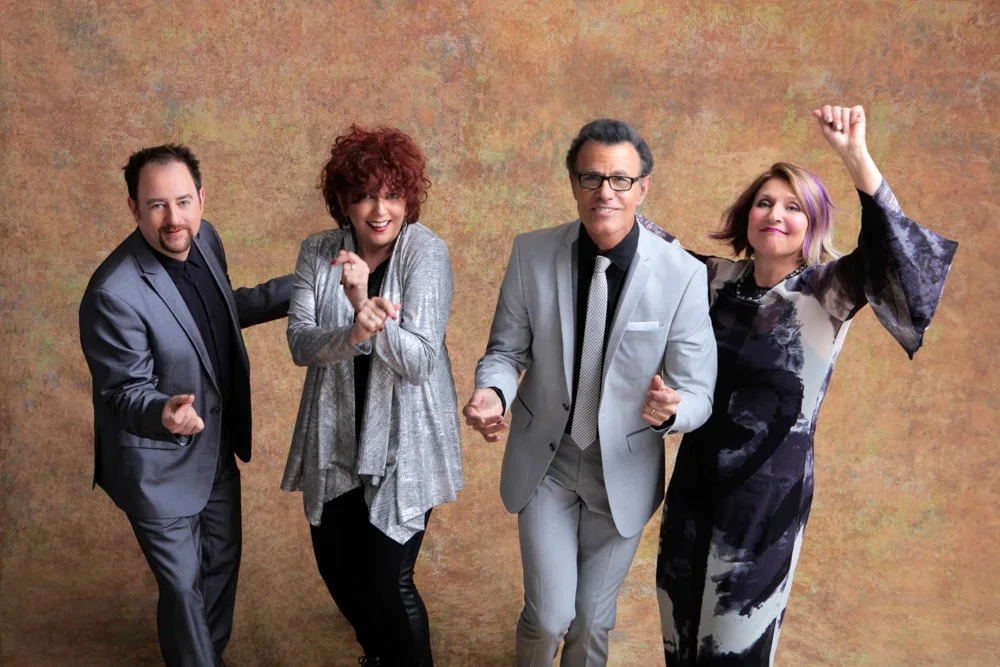
The 2020s marked the final chapter of The Manhattan Transfer’s extraordinary touring career and a period of celebration, reflection, and legacy. With Cheryl Bentyne, Janis Siegel, Alan Paul, and Trist Curless, the group entered the decade with a renewed sense of purpose. Curless’s transition from temporary substitute to permanent member had brought new energy and a fresh vocal color to the ensemble. “Trist Curless really revitalized us and brought a new energy which raises the group to another level,” Bentyne said.
The group continued to tour internationally, navigating the unprecedented disruption caused by the COVID-19 pandemic and the challenges of returning to live performance. Their final years on the road became a celebration not only of the music, but also of the extraordinary community that had sustained The Manhattan Transfer for more than five decades: musicians, arrangers, engineers, crew members, presenters, venues, collaborators, friends, and audiences around the world.
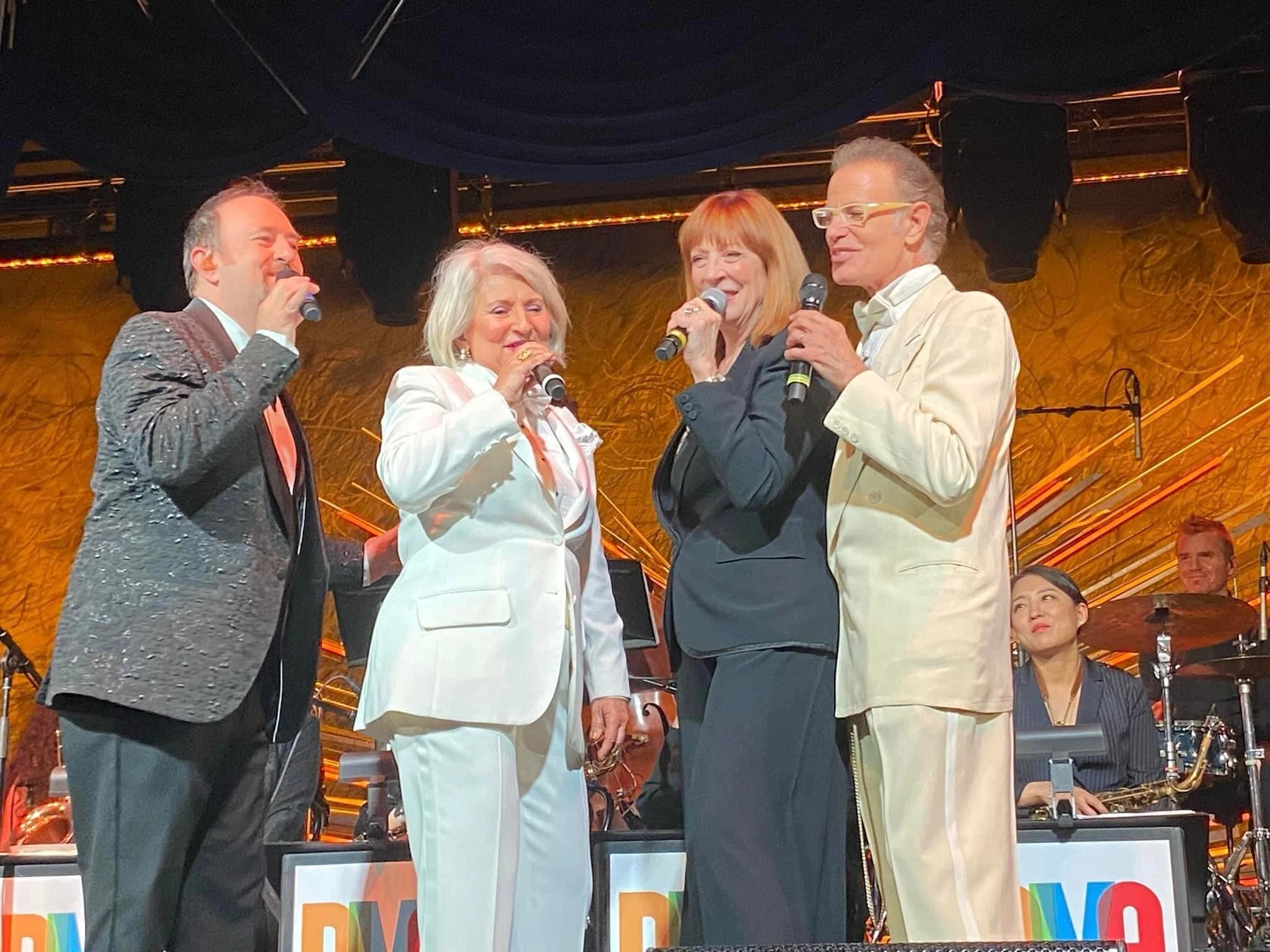
For their 50th Anniversary and Final World Tour, The Manhattan Transfer collaborated with Sherrie Maricle and the DIVA Jazz Orchestra, bringing together one of the world’s most celebrated vocal ensembles with one of jazz’s leading all-female orchestras. The collaboration was a fitting reflection of The Manhattan Transfer’s lifelong relationship with jazz, improvisation, sophisticated arranging, and the power of ensemble performance.
The group’s final era also included the landmark recording FIFTY, released through Concord/Craft Recordings and featuring the WDR Funkhausorchester. The album celebrated five decades of musical exploration and the remarkable journey of an ensemble that had continually challenged expectations for what a vocal group could be. After more than five decades of recordings, international tours, Grammy Awards, collaborations, television appearances, and musical milestones, The Manhattan Transfer retired from touring in December 2023. Their final performances represented not simply an ending, but the culmination of an extraordinary musical life.
The Legacy
Four voices became one. And that sound traveled around the world.
The Manhattan Transfer’s story is ultimately a story about evolution.
The group began in the underground clubs of New York City and grew into an internationally celebrated ensemble. They moved between pop and jazz, swing and R&B, vocalese and a cappella, Brazilian music and symphonic arrangements. They worked with legends, inspired generations of singers, and continually reinvented what four voices could accomplish together.
Their longevity was never simply a matter of surviving change. It was built on an openness to change.
Through multiple generations of singers, changing musical landscapes, personal loss, illness, technological transformation, and an evolving music industry, the group remained committed to the same fundamental belief: that excellence could exist in every genre of music, and that great songs could be transformed through harmony.
“We wanted to make great records and believed that excellence existed in all genres of music,” Paul explained. “We have always had the freedom to explore and put our harmonic stamp on whatever we did.”
More than five decades after Tim Hauser first dreamed of four-part harmony, The Manhattan Transfer left behind a body of work that helped redefine vocal music, a musical legacy carried forward by the countless singers, ensembles, musicians, and audiences who were inspired by their sound.
FRIENDS